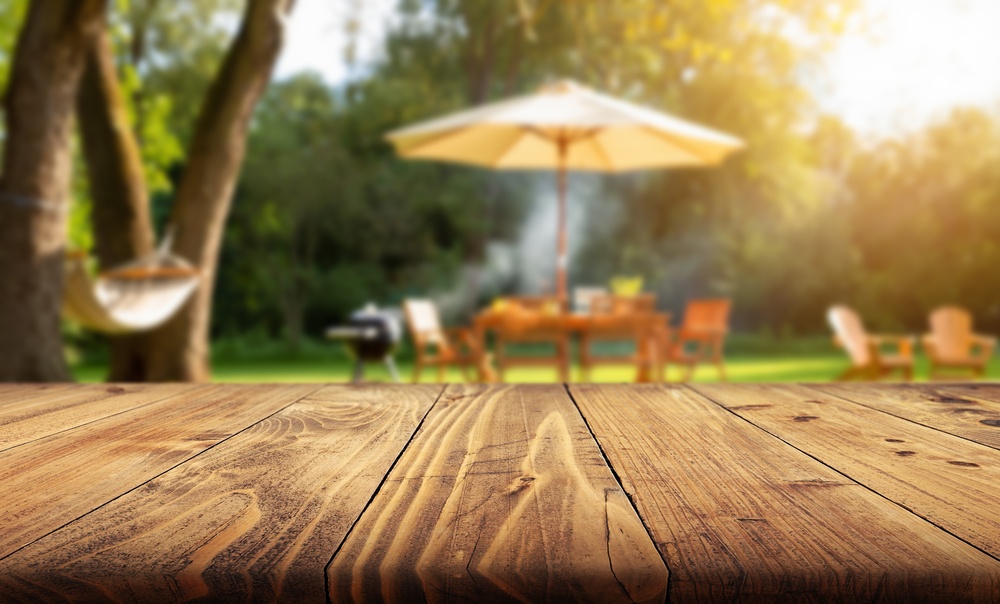
Backyards have started doing much more than growing tomatoes and flowers. Across neighborhoods, more homeowners have turned their outdoor spaces into welcoming places where fresh vegetables, colorful blooms, and friendly conversations all grow side by side. A simple raised bed or a patch of sunflowers often sparks something unexpected: people stop to chat, swap gardening tips, and leave with a handful of herbs or a new friendship.
That shift feels refreshing in a world where many people wave from the driveway before heading back indoors. Gardens naturally slow people down, giving everyone a reason to linger for a few extra minutes. Before long, one backyard inspires another, and an entire street begins to feel a little more connected.
More Than a Garden, It Becomes a Gathering Place
A productive backyard naturally attracts attention, and curiosity makes a wonderful icebreaker. Someone walking the dog notices beans climbing a trellis, another neighbor admires blooming zinnias, and suddenly a five-minute conversation turns into an exchange of growing advice or extra seedlings. Those casual chats rarely feel forced because the garden provides plenty to talk about. Even people who have never planted a single seed often enjoy seeing what’s growing and asking questions.
The best part comes when the harvest arrives. Few gestures feel as neighborly as offering fresh cucumbers, basil, or a handful of cherry tomatoes picked just minutes earlier. Gardeners frequently discover that sharing food encourages others to start growing something themselves. Before long, several homes on the same block may exchange peppers for lettuce, herbs for squash, or flowers for fresh eggs if someone keeps backyard chickens where local rules allow.
Colorful Spaces Invite People to Slow Down
A backyard filled with flowers, vegetables, and comfortable seating creates an atmosphere that encourages visitors to stay awhile. Bright pollinator plants such as coneflowers, black-eyed Susans, bee balm, and native asters add movement as butterflies and bees drift from bloom to bloom. Children enjoy spotting insects, adults admire the colorful displays, and conversations happen almost without anyone noticing.
Adding simple features makes the space even more inviting. A shaded bench, a small gravel path, or a table tucked beside raised beds gives neighbors a place to pause during evening walks. The garden doesn’t need expensive landscaping or elaborate design because healthy plants, neat pathways, and thoughtful touches create a welcoming setting that feels relaxed instead of intimidating.
Shared Gardening Creates Stronger Neighborhood Connections
Gardening naturally encourages generosity because plants rarely produce just enough for one household. Zucchini plants seem especially determined to test that theory every summer, and experienced gardeners often joke that locking the front door won’t stop someone from leaving extra squash on the porch. That abundance creates opportunities to share harvests, recipes, seeds, and gardening successes along with the occasional lesson learned after a stubborn pest invasion.
Communities also benefit when neighbors work together on seasonal projects. One person may start tomato seedlings for several families, another may divide perennial flowers in spring, while someone else offers compost or mulch after cleaning up the yard. These simple exchanges build familiarity over time, making it easier for neighbors to help each other with larger projects or simply check in after a storm rolls through.
Small Gardens Can Make a Big Difference
Many people assume social gardens require sprawling yards, but even compact spaces create opportunities to connect. A few containers filled with herbs beside the front walk often attract compliments, while a vertical planter packed with strawberries or lettuce proves that limited space doesn’t limit possibilities. Apartment dwellers, townhouse owners, and anyone with a sunny patio can join the trend without digging up an entire lawn.
Success comes from choosing plants that suit local growing conditions rather than chasing picture-perfect gardens seen online. Healthy plants naturally look more attractive, produce better harvests, and require less frustration throughout the season. Gardeners who select varieties adapted to their climate usually spend more time enjoying conversations with neighbors and less time replacing struggling plants.
Growing Together Leaves a Lasting Impression
The most memorable backyard gardens rarely earn attention because they look perfect. People remember them because children picked snap peas straight from the vine, neighbors gathered around raised beds to admire giant sunflowers, and fresh herbs traveled across backyard fences tucked into small baskets. Those moments leave a much stronger impression than any carefully manicured lawn ever could.
What small change could transform your backyard into a place where neighbors naturally gather, and what would you love to grow first?
You May Also Like…
Why Backyard Gardening Is Becoming a Retirement Hobby Boom
7 Gardening Habits That Could Be Hurting Pollinators
Stop Paying Grocery Store Prices: The 1 Backyard Move That Cuts Your Food Costs
Why Summer Gardening Feels Harder Than It Did 10 Years Ago
Why So Many First-Time Homeowners Are Starting Gardens

Brandon Marcus is a staff writer for FrugalGardening.com at District Media, Inc., where he delivers practical gardening advice with a relatable, no-nonsense style. An avid amateur gardener, he holds a BA degree and with over ten years of professional writing experience, he is also an award-winning published author whose first book, Questions For Deep Thinkers, was released by Adams Media. His work has appeared in major publications including Fandom.com, CHUD.com, TheColdWire.com, and Fansided.com.
Leave a Reply