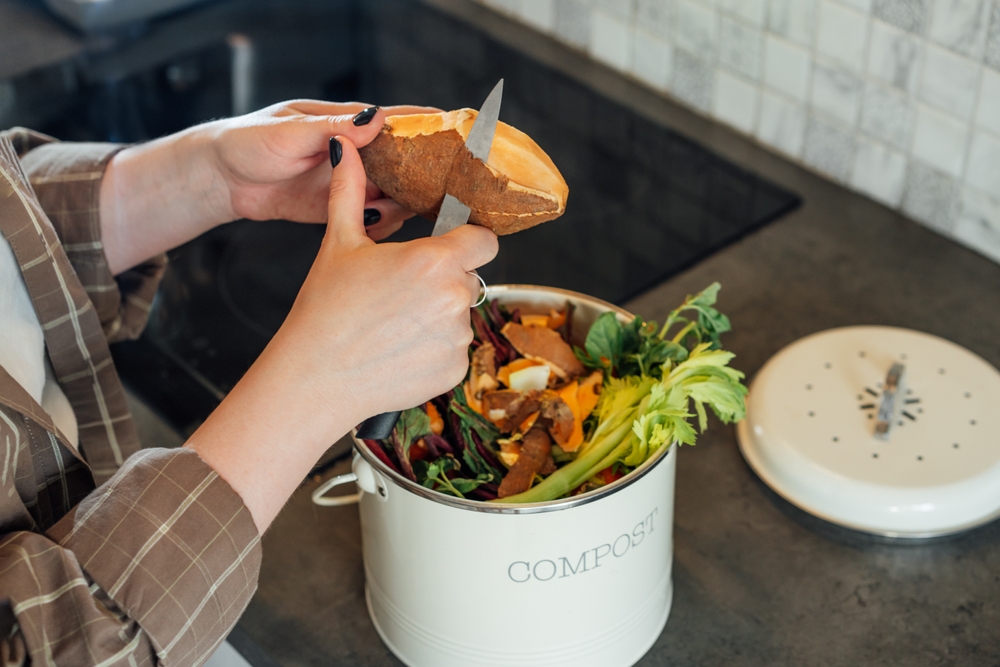
Fresh produce keeps climbing in price, and grocery trips keep getting more expensive for many households. A quiet gardening trend has started reshaping how families approach food by turning small spaces, kitchen scraps, and simple planting habits into steady harvests. This approach does not rely on fancy tools or large yards, yet it produces a surprising amount of food right at home. Many people now treat their kitchens and backyards like small food systems instead of separate spaces. That shift alone changes how much food gets bought versus grown.
This gardening trend blends practicality with creativity, and it invites everyday people to grow more food without feeling overwhelmed. Families who adopt these methods often discover they can stretch their grocery budgets further while enjoying fresher meals. Instead of relying heavily on store-bought vegetables, they build small systems that keep producing over time.
The Gardening Trend That Turns Kitchen Scraps Into Fresh Produce
Kitchen scrap gardening has gained attention because it turns leftover vegetable parts into new growth with almost no cost. Green onions, celery bases, lettuce cores, and even herb stems often regrow in water or soil with minimal effort. This method keeps food from going to waste while giving families a constant supply of fresh ingredients right from the counter or windowsill. Many households enjoy watching scraps transform into usable greens that go straight into meals within days or weeks. This simple habit creates a connection between cooking and growing that feels both practical and rewarding.
Once scrap gardening expands into containers or small outdoor beds, the results grow even stronger. Families often rotate scraps into soil after initial regrowth to extend production and improve yield. This approach keeps the cycle going, since one grocery purchase can lead to multiple harvests over time. Even small apartments can support this method with jars, pots, or recycled containers placed near sunlight. The process turns everyday leftovers into an ongoing supply of food that reduces repeated purchases at the store.
Succession Planting That Keeps The Harvest Coming All Season
Succession planting keeps gardens productive by staggering planting times instead of planting everything at once. This method ensures that as one crop finishes, another already grows and takes its place. Families who use this approach enjoy a steady flow of vegetables rather than a single overwhelming harvest. Lettuce, radishes, and carrots often work well in rotating cycles that keep garden beds active. This rhythm prevents waste and keeps meals filled with fresh ingredients throughout the season.
Gardeners often combine quick-growing crops with slower ones to maximize space and time. This strategy allows small gardens to produce far more food than expected without expanding the area. Even beginners can map out simple planting schedules that fit their household eating habits. The garden then behaves like a continuous food system rather than a one-time project. Over time, this method reduces trips to the store because fresh produce stays consistently available at home.
Seed Saving That Cuts Future Grocery Costs
Seed saving gives families control over future gardens by preserving seeds from current plants. Tomatoes, peppers, beans, and herbs often produce seeds that can grow again in the next season. This practice reduces the need to buy new seed packets every year and keeps gardening costs low. Many gardeners store seeds in simple envelopes or jars labeled by plant type and season. This habit builds independence while creating a personal seed library that grows more valuable over time.
As seed saving becomes routine, families start selecting stronger plants that adapt well to their local environment. This selection process improves future harvests without adding extra expense. Kids often enjoy helping with seed collection, which turns gardening into a shared family activity. Over time, saved seeds reflect the unique conditions of each garden, making each growing season more efficient. This approach turns a one-time purchase into a long-term investment that keeps paying back in fresh produce.
Why This Low-Cost Gardening Approach Fits Busy Families
Busy households often struggle to maintain complex gardening systems, but these methods stay simple and flexible. Kitchen scrap gardening, succession planting, and seed saving all work in small time windows that fit daily routines. Families can spend a few minutes each day tending plants without feeling overwhelmed. This flexibility makes it easier to stay consistent even during hectic weeks. The system grows naturally over time without requiring major commitments or expensive equipment.
Many households also appreciate how these methods reduce pressure on grocery budgets while improving food quality. Fresh herbs, greens, and vegetables become more accessible without frequent store trips. Even small harvests add up over time and support healthier meal planning. These gardening habits also encourage more mindful food use because families see where ingredients originate. The result creates a practical balance between convenience, savings, and fresh homegrown food.
A Smarter Way To Grow More And Spend Less At Home
This gardening trend continues gaining attention because it blends affordability with real results that families can see and taste. Kitchen scraps, smart planting schedules, and saved seeds work together like small pieces of a larger system. Each method strengthens the next, creating a steady flow of food that reduces grocery dependence. Even beginners can start small and build confidence with each successful harvest. Over time, these habits reshape how households think about food production at home.
What small gardening habit could make the biggest difference in your household’s grocery bill this season?
You May Also Like…
8 Affordable Backyard Ideas That Feel Like a Vacation
The Gardening Trend Younger Homeowners Are Bringing Back From the 1970s
Why More Homeowners Are Replacing Grass With Food Gardens in 2026
Why More Homeowners Are Turning Their Lawns Into Pollinator Gardens
Why These 3 Invasive Plants Could Hurt Your Home Appraisal This Spring

Brandon Marcus is a staff writer for FrugalGardening.com at District Media, Inc., where he delivers practical gardening advice with a relatable, no-nonsense style. An avid amateur gardener, he holds a BA degree and with over ten years of professional writing experience, he is also an award-winning published author whose first book, Questions For Deep Thinkers, was released by Adams Media. His work has appeared in major publications including Fandom.com, CHUD.com, TheColdWire.com, and Fansided.com.
Leave a Reply