Gardening does not require a wallet-emptying trip to a specialty store or a cart full of fancy gadgets. Many of the most effective tools sit quietly in dollar stores, thrift shops, or even recycling bins, waiting for a second life in the soil. Experienced gardeners often discover that simple, inexpensive supplies handle daily tasks better than premium versions that promise more than they deliver.
Clever choices can improve plant health, reduce frustration, and make gardening feel more enjoyable from the first seed to the final harvest. The secret lies in knowing which budget-friendly items deserve a permanent spot in the shed.
1. Dollar Store Spray Bottles For Gentle Plant Care
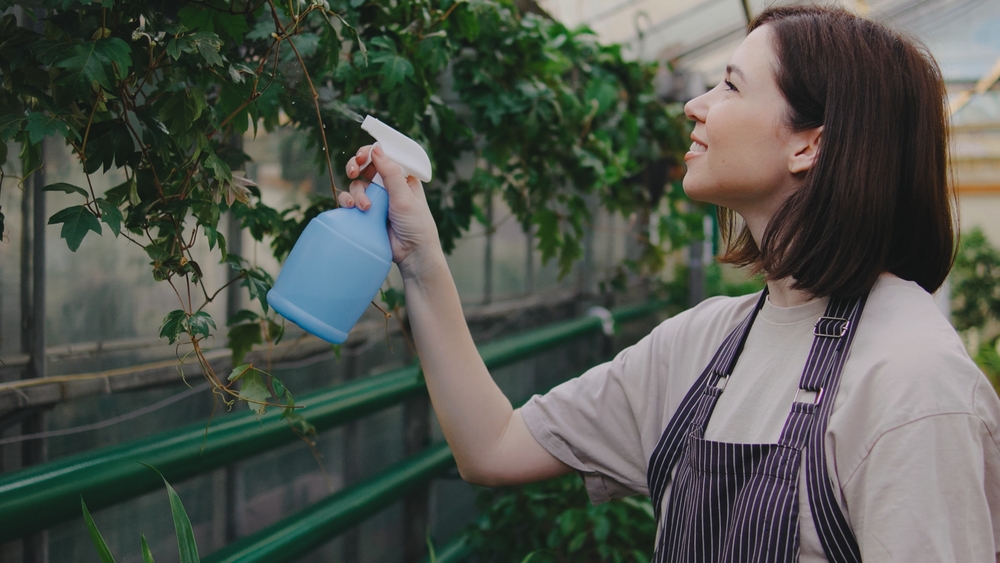
Dollar store spray bottles deliver precise moisture control without the price tag of specialty misting systems. These bottles work especially well for seedlings that need light, even hydration instead of heavy watering. Adjustable nozzles allow gardeners to switch from a fine mist to a steady stream depending on plant needs.
Many expensive misting tools clog or break, while simple plastic bottles stay easy to clean and replace. A few labeled bottles can even separate fertilizer mixes, pest sprays, and plain water for safer plant care.
2. Kitchen Sponges For Seed Starting Success
Kitchen sponges provide an unexpected advantage when starting seeds indoors on a budget. Their soft texture holds moisture evenly, which helps delicate seeds germinate without drying out or drowning. Cut sponges into small cubes and place them in shallow trays for easy monitoring and cleanup.
Unlike costly seed-starting kits, sponges allow full control over spacing and moisture levels. Once seedlings grow strong enough, gardeners can transplant them directly into soil without stress.
3. Wooden Chopsticks For Simple Plant Support
Wooden chopsticks from takeout meals double as sturdy plant supports in containers and garden beds. They work especially well for small tomatoes, peppers, and young climbing vines that need gentle guidance. Inserting a chopstick next to a stem helps prevent bending during wind or heavy growth. Expensive plant stakes often snap or rot quickly, while bamboo or wooden chopsticks hold up surprisingly well through a season. Bundling several together creates a stronger support system for larger plants.
4. Egg Cartons For Easy Seed Organization
Egg cartons offer a perfect free or low-cost solution for organizing seed starting projects. Each compartment gives seeds enough space to sprout without overcrowding or tangled roots. Cardboard cartons also break down easily, which allows gardeners to transplant seedlings directly into the soil without disturbing roots.
Plastic versions work well too, especially when drainage holes get added to the bottom. Labeling each section helps track different plant varieties and prevents mix-ups during busy planting seasons.
5. Coffee Filters For Cleaner Pot Drainage
Coffee filters prevent soil loss from drainage holes while still allowing water to flow freely through pots. They sit neatly at the bottom of containers and block fine soil particles from escaping during watering. This keeps patios, shelves, and indoor growing spaces much cleaner than traditional mesh or gravel setups. Unlike expensive pot liners, coffee filters cost almost nothing and replace easily when they wear out. Gardeners also appreciate how they help maintain balanced moisture without soggy buildup.
6. Plastic Forks For Natural Pest Control
Plastic forks create a simple but effective barrier against curious pests that dig through garden beds. Placing forks tines-up around seedlings discourages animals from stepping directly into soil. This method works especially well for small vegetable patches and container gardens on patios or balconies. Store-bought pest control gadgets often rely on chemicals or complex setups, while forks offer instant protection. Reusing forks also keeps plastic out of landfills while supporting plant safety.
7. Baking Soda For Low-Cost Plant Maintenance
Baking soda handles multiple garden tasks without the need for expensive specialty treatments. It helps reduce fungal issues on leaves when mixed with water and applied carefully. Gardeners also use it to freshen soil surfaces and discourage certain unwanted growths in garden paths.
Unlike commercial treatments, baking soda stays gentle when used in proper amounts and remains widely available in kitchens. This simple ingredient gives gardeners an affordable tool that supports plant health across different seasons.
8. Reused Plastic Containers For Versatile Gardening Storage
Reused plastic containers turn everyday household waste into valuable garden helpers. Yogurt tubs, takeout containers, and food jars all serve as seed starters, tool holders, or water scoops. Their durability makes them stronger than many store-bought plastic gardening accessories that break after a few uses. Adding drainage holes transforms them into lightweight plant pots suitable for herbs and flowers. Labeling containers helps organize tools, seeds, and fertilizers without buying extra storage systems.
Smarter Gardening Without The High Price Tag
Gardening success often depends on creativity rather than expensive equipment. Simple household items frequently outperform specialized tools because they focus on function instead of marketing promises. Choosing affordable supplies encourages experimentation and reduces pressure when learning new gardening techniques. Many gardeners discover that repurposed items make daily routines smoother and more enjoyable. A thoughtful approach to tools helps every garden feel more efficient, sustainable, and rewarding.
What inexpensive gardening supply has made the biggest difference in your garden setup?
You May Also Like…
The Backyard Gardening Rule That Could Save You Hundreds on Water Bills
It’s Not Too Late! Start Sweet Potatoes and Pumpkins Now With Money-Saving Tips
5 Budget-Friendly Gardening Tips That Actually Work
Don’t Let Your Herbs Bolt—Pinching Tricks to Keep Cilantro and Basil Going
8 Seed-Saving Tips That Help You Avoid Buying Packets Every Season

Brandon Marcus is a staff writer for FrugalGardening.com at District Media, Inc., where he delivers practical gardening advice with a relatable, no-nonsense style. An avid amateur gardener, he holds a BA degree and with over ten years of professional writing experience, he is also an award-winning published author whose first book, Questions For Deep Thinkers, was released by Adams Media. His work has appeared in major publications including Fandom.com, CHUD.com, TheColdWire.com, and Fansided.com.
Leave a Reply