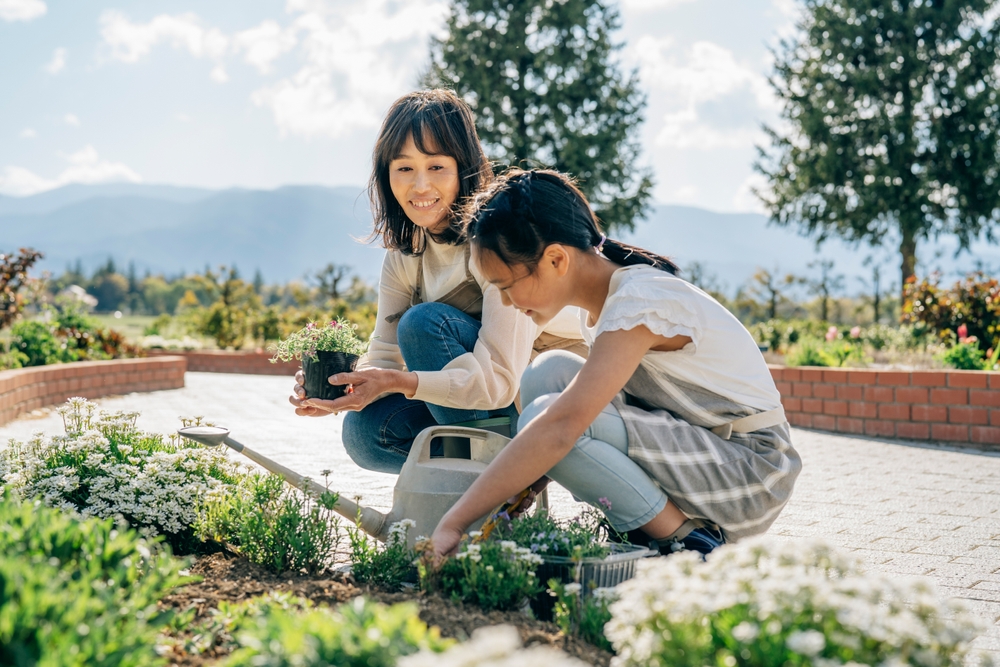
Fresh herbs on the porch, cherry tomatoes within arm’s reach, and leafy greens that don’t demand constant attention—this is no longer a fantasy for busy parents juggling work, school runs, and daily chaos. Gardening has shifted into a smarter, faster rhythm that fits modern family life without draining precious time or energy. Instead of traditional high-maintenance garden beds, more families now choose simplified setups that cut effort while still delivering real harvests.
The goal no longer centers on perfection; it focuses on practicality, speed, and enjoyment. These gardening shortcuts reshape outdoor spaces into manageable, productive pockets of calm.
Why Busy Parents Are Turning To Shortcut Gardening Methods
Modern family schedules leave little room for traditional gardening routines that demand constant weeding, watering, and replanting. Busy parents now look for ways to enjoy fresh produce without sacrificing entire afternoons to yard work. Shortcut gardening methods reduce repetitive tasks and focus on systems that maintain themselves with minimal intervention. This shift allows families to enjoy greenery without feeling tied down by maintenance-heavy routines. It also helps create a calmer outdoor space that supports relaxation instead of adding more responsibilities.
Many households now treat gardening like a flexible home improvement project rather than a time-consuming hobby. Raised beds, compact planters, and simplified soil systems help reduce confusion and setup time. Parents can involve children without worrying about overwhelming tasks or complicated instructions. This approach builds confidence and keeps frustration low while still encouraging hands-on learning. Gardening becomes a shared experience that fits naturally into everyday life.
Container Gardens That Cut Work Not Joy
Container gardens offer one of the simplest entry points for busy families who want results without digging up the yard. Pots, buckets, and raised planters give full control over soil quality, spacing, and placement. This setup allows parents to move plants easily to catch sunlight or avoid bad weather. Container gardening also reduces weed problems significantly, which cuts down weekly maintenance time. The result delivers more enjoyment and less cleanup work.
Families often use container setups for herbs, peppers, lettuce, and compact tomatoes that grow well in limited space. These plants respond quickly to care, which makes the gardening process more rewarding. Children can easily participate by watering or harvesting without damaging larger garden systems. Containers also help prevent soil compaction, which keeps plant growth steady and predictable. This method turns even a small patio into a productive mini garden.
Self Watering Systems That Save Time Every Week
Self-watering systems remove one of the biggest daily chores from gardening routines: constant watering. These setups use reservoirs, wicking systems, or drip lines that slowly release moisture to plants as needed. Parents no longer need to check soil every day or worry about missed watering sessions during busy schedules. This system especially helps during hot weather when plants demand more consistent hydration. It creates stability in plant care without requiring constant attention.
Many families build simple versions using repurposed containers or purchase ready-made self-watering planters. These systems reduce stress during travel, workdays, or school activities that keep schedules unpredictable. Plants receive a steady moisture level that prevents sudden drying or overwatering. This consistency improves plant health while cutting down on decision fatigue. Gardening becomes easier to maintain even during hectic weeks.
Mulch Tricks That Reduce Weeds Fast
Mulch acts like a protective blanket that locks in moisture and blocks unwanted weed growth. Busy parents rely on mulch because it reduces the need for constant pulling and trimming. Organic options like shredded bark, straw, or leaves also improve soil quality over time. This simple layer saves hours of repetitive maintenance across the growing season. It keeps garden beds looking neat without extra effort.
Applying mulch takes minimal time but delivers long-lasting results for plant health and garden appearance. Families can refresh mulch a few times per season instead of constantly managing weeds. Kids can even help spread it, turning it into a quick weekend activity. This method also stabilizes soil temperature, which supports steady plant growth. Mulch turns messy garden beds into low-effort spaces that stay manageable.
Pre-Started Plants Vs Seeds Strategy
Pre-started plants give busy parents a major head start by skipping the fragile early growth stage. Garden centers now offer strong seedlings that transition quickly into home gardens. This option reduces uncertainty and speeds up harvest timelines. Parents avoid the stress of germination failures or slow sprouting. It creates a more predictable and satisfying gardening experience.
Seeds still play a role, especially for families who enjoy watching full growth cycles from the beginning. However, mixing both approaches offers the best balance between convenience and variety. Pre-started plants handle the heavy lifting while seeds add long-term engagement. This combination helps families enjoy results sooner without losing the educational aspect. Gardening becomes flexible instead of rigid.
Vertical Gardening For Small Spaces And Quick Harvests
Vertical gardening maximizes space by stacking plants upward instead of spreading them across the ground. Busy parents use walls, fences, and hanging systems to grow herbs, greens, and compact vegetables. This setup works especially well for apartments, townhomes, or small backyards. It also improves airflow around plants, which supports healthier growth. Vertical systems turn unused surfaces into productive growing areas.
Families often appreciate how easy vertical gardens make harvesting and watering. Plants sit at accessible heights, which reduces bending and strain during care routines. This setup also adds visual appeal to outdoor spaces, making them feel more lively and organized. Maintenance stays simple because plants grow in clearly defined sections. Vertical gardening turns tight spaces into efficient food-producing zones.
A Weekly 10-Minute Routine That Keeps Garden Under Control
A short weekly routine keeps gardening manageable without turning it into a burden. Parents spend just ten minutes checking soil moisture, removing small weeds, and harvesting ripe produce. This quick habit prevents small issues from turning into larger problems. It also keeps plants consistently healthy without long work sessions. The garden stays under control through small, steady actions.
Children often join this routine, which turns it into a shared family activity instead of a chore. This approach builds consistency without overwhelming anyone’s schedule. Parents avoid burnout because tasks stay short and predictable. The garden continues producing food and beauty with minimal effort. Small routines create long-term success without demanding extra time.
The Simple Shift That Makes Gardening Fit Busy Family Life
Gardening no longer requires endless weekends or complicated maintenance plans. Busy parents now rely on smart systems that reduce work while keeping results strong and satisfying. These shortcuts turn gardening into a flexible activity that fits real-life schedules. The focus shifts from perfection to practicality, which makes the process more enjoyable. Simple adjustments create a space that supports both productivity and relaxation.
What gardening shortcut would make the biggest difference in your busy household right now?
You May Also Like…
The Backyard Gardening Rule That Could Save You Hundreds on Water Bills
It’s Not Too Late! Start Sweet Potatoes and Pumpkins Now With Money-Saving Tips
The Potting Mix Scams: Don’t Fall for These 3 Expensive Marketing Tricks
Tips for Transplanting Without Causing Shock
5 Tricks to Extend Tomato Harvest Into October

Brandon Marcus is a staff writer for FrugalGardening.com at District Media, Inc., where he delivers practical gardening advice with a relatable, no-nonsense style. An avid amateur gardener, he holds a BA degree and with over ten years of professional writing experience, he is also an award-winning published author whose first book, Questions For Deep Thinkers, was released by Adams Media. His work has appeared in major publications including Fandom.com, CHUD.com, TheColdWire.com, and Fansided.com.
Leave a Reply