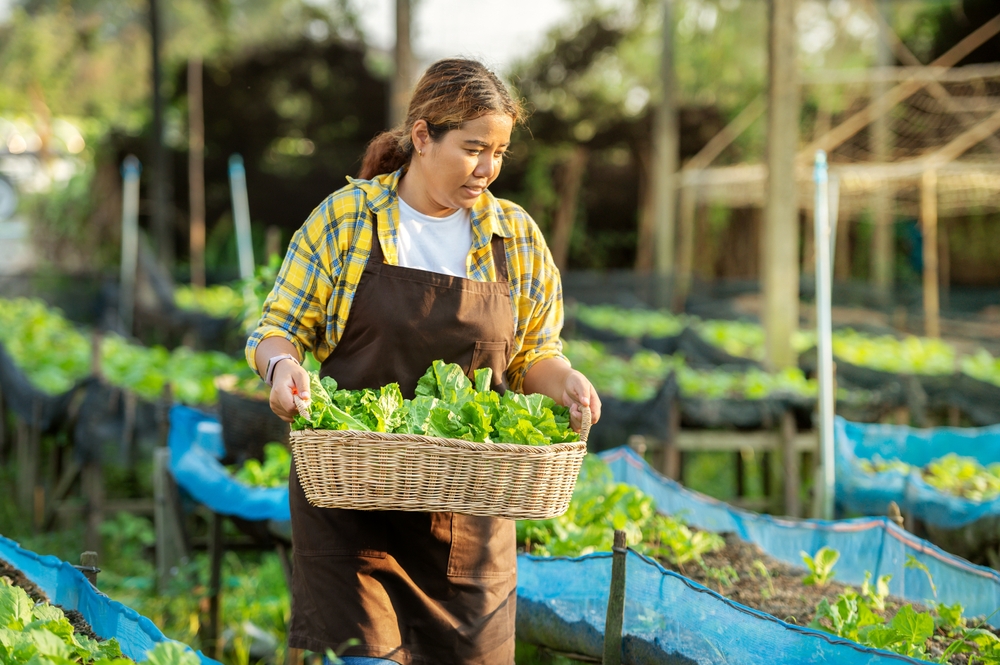
Front yards across the United States are undergoing a quiet but powerful transformation. Lawns that once demanded weekly mowing now sprout tomatoes, kale, peppers, and herbs instead of turf grass. Families are rethinking how they use every square foot of outdoor space, especially when grocery prices keep climbing. Gardening no longer feels like a hobby reserved for retirees or rural homeowners. It now looks like a practical strategy for food security, healthier eating, and everyday savings.
This shift reflects a bigger cultural change around food and control. People want more say in what lands on their plates and how much they spend to get it. Front yards offer visibility, sunlight, and convenience that backyard gardens sometimes lack. As a result, neighbors increasingly spot raised beds, trellises, and compact vegetable patches where grass used to dominate. The movement keeps expanding because it blends practicality with a sense of purpose and satisfaction.
Rising Grocery Bills Push Lawns Into Food Production Zones
Food prices continue to climb across grocery stores, and families feel the pressure every time they shop. A simple basket of produce now costs significantly more than it did just a few years ago. That sticker shock pushes homeowners to rethink unused outdoor space as a potential food source. Front yards offer a surprisingly efficient solution because they receive consistent sunlight and easy access from the home. Turning decorative grass into edible crops helps households offset weekly produce expenses in a meaningful way.
Many gardeners report noticeable savings after just one growing season. Even a small front yard bed can produce tomatoes, lettuce, and herbs that would otherwise cost a surprising amount at checkout. The upfront cost of soil, seeds, and basic tools often pays for itself faster than expected. Families also gain flexibility because they harvest exactly what they need instead of buying excess produce. This practical financial advantage continues to drive interest in home food production.
Healthier Eating Starts Right Outside the Door
Front yard gardens encourage more frequent consumption of fresh vegetables because they sit only a few steps away. When lettuce grows outside the window, salads become far more convenient than processed alternatives. Families often experiment with new vegetables simply because they grow them at home. That hands-on exposure builds better eating habits without strict meal planning or complicated diet rules. Fresh harvests also deliver stronger flavor, which naturally encourages healthier choices.
Garden-grown produce also eliminates many concerns about storage time and transport quality. Vegetables picked at peak ripeness retain more nutrients compared to store-bought options that travel long distances. Parents often involve children in planting and harvesting, which builds early awareness of where food comes from. That experience helps reduce picky eating because kids feel more connected to what they grow. Over time, front yard gardens reshape daily food habits in a simple but powerful way.
Climate Concerns and Food Control Shape Gardening Decisions
Extreme weather and supply chain disruptions have made food availability feel less predictable for many households. Front yard gardens offer a level of independence that grocery stores cannot guarantee. Even a modest garden provides a steady stream of herbs, greens, and seasonal vegetables. This sense of control matters when external systems feel uncertain or expensive. Home gardens help families stabilize at least part of their food supply.
Environmental awareness also plays a major role in this shift. Lawns consume water, fertilizer, and maintenance energy without producing food in return. Vegetable gardens replace that inefficiency with productive use of land and resources. Many homeowners notice reduced waste because they harvest only what they need. This combination of sustainability and practicality makes front yard gardening a logical response to modern concerns.
Community Curiosity and Family Connection Fuel the Movement
Front yard gardens naturally spark conversations with neighbors because they sit in full view of the street. People often stop to ask about plant choices, growing techniques, or harvest timing. That curiosity builds small but meaningful community connections around food. Gardening also turns into a shared experience when neighbors exchange seeds, tips, or extra produce. These interactions strengthen local ties in a way traditional lawns rarely achieve.
Families also discover that gardening creates consistent opportunities for teamwork. Children help water plants, track growth, and pick vegetables at harvest time. These small responsibilities teach patience and observation skills without feeling like chores. Adults often find gardening reduces daily stress because it shifts attention toward hands-on, productive activity. Over time, the garden becomes a shared space that supports both relationships and routines.
Front Yard Gardens Signal a Shift Toward Practical Living
Front yard vegetable gardens represent more than a landscaping trend; they reflect a shift in priorities toward usefulness and efficiency. Homeowners increasingly choose function over appearance when deciding how to use outdoor space. Food production brings measurable value in savings, nutrition, and satisfaction. Even small gardens can reshape how households think about meals and spending. This movement continues to grow because it aligns with everyday needs rather than abstract ideals.
Could this become the new normal in suburban neighborhoods, or will it remain a creative alternative to traditional lawns? Let’s hear your thoughts below!
You May Also Like…
Turn Household Containers Into Thriving Veggie Gardens With Buckets, Totes & Milk Jugs
The Summer Gardening Shortcut Retirees Say Saves Them Hours Every Week
10 Vegetables That Actually Thrive During Brutal Heat Waves
Why More Homeowners Are Replacing Grass With Food Gardens in 2026
7 Vegetables People Are Panic-Planting Again Because Grocery Prices Won’t Stop Rising

Brandon Marcus is a staff writer for FrugalGardening.com at District Media, Inc., where he delivers practical gardening advice with a relatable, no-nonsense style. An avid amateur gardener, he holds a BA degree and with over ten years of professional writing experience, he is also an award-winning published author whose first book, Questions For Deep Thinkers, was released by Adams Media. His work has appeared in major publications including Fandom.com, CHUD.com, TheColdWire.com, and Fansided.com.
Leave a Reply