Grocery receipts keep getting longer while bags somehow look lighter, and that combination pushes many households straight back to the garden. Seed racks across stores see faster turnover as people grab familiar vegetable seeds with a new sense of urgency. Backyard plots, balcony containers, and even old buckets suddenly turn into food production zones instead of decoration spaces.
Growing food at home now feels less like a hobby and more like a smart financial strategy. These seven vegetables consistently top the list because they deliver strong yields, simple care needs, and real grocery bill relief.
1. Tomatoes That Turn Small Spaces Into Sauce Factories
Tomatoes dominate home gardens because they produce heavily once summer heat settles in. A single healthy plant can deliver dozens of fruits over the season when given sunlight and steady watering. Many gardeners choose cherry varieties because they grow fast and tolerate containers well. Grocery stores often charge premium prices for flavorful tomatoes, especially outside peak season. Homegrown versions bring richer taste and reduce dependence on store-bought packs.
Tomatoes reward consistency, so gardeners who water deeply and prune wisely see stronger harvests. Stakes or cages keep vines upright and fruit clean, which improves overall yield quality. Even a small patio can support several plants that supply salads and sauces for weeks. Many households freeze extra tomatoes to stretch savings into colder months. This crop proves why so many people rush to plant it first.
2. Lettuce That Keeps Salads Cheap and Constant
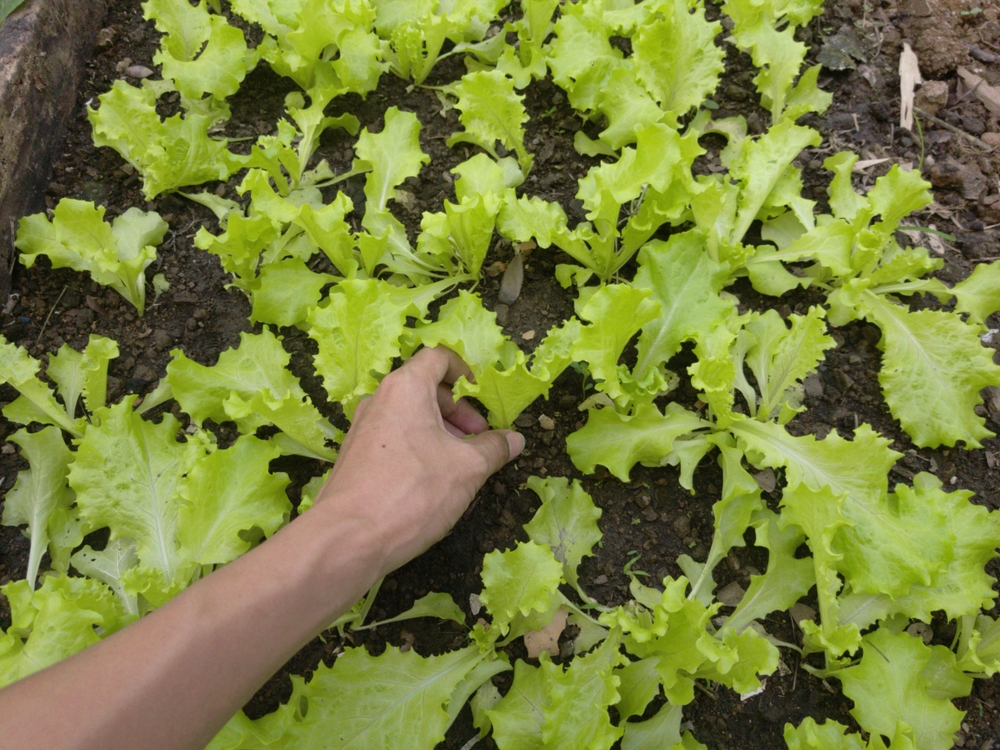
Lettuce grows quickly and fits into tight garden spaces without stress. Many gardeners harvest outer leaves repeatedly, which extends production over several weeks. Grocery prices for bagged greens push people to rethink growing their own supply. Lettuce seeds germinate fast, making it one of the most satisfying starter crops. Cooler weather often improves flavor and reduces bitterness.
Shallow roots allow lettuce to grow in containers, window boxes, or raised beds. Frequent harvesting encourages fresh leaf growth and prevents waste. Gardeners often stagger plantings every two weeks to maintain steady supply. This strategy reduces last-minute grocery runs for salad ingredients. Lettuce delivers quick wins that keep motivation high for new gardeners.
3. Peppers That Bring Big Value in Small Garden Footprints
Peppers attract attention because one plant can produce an impressive number of fruits. Sweet peppers and hot varieties both grow well in warm, sunny conditions. Grocery stores charge high prices for colorful peppers, especially organic options. Home gardeners appreciate how long pepper plants continue producing through the season. This extended harvest period boosts overall savings.
Strong sunlight and regular feeding help pepper plants reach full potential. Many gardeners start seeds indoors to gain an early advantage before transplanting outside. Compact varieties fit neatly into raised beds or large containers. Harvesting at different stages changes flavor profiles and encourages more fruit development. Peppers remain a dependable favorite for cost-conscious growers.
4. Cucumbers That Climb Their Way to Fast Harvests
Cucumbers grow quickly and reward gardeners who provide vertical support. Trellises help vines spread upward instead of taking over entire garden beds. Grocery prices often rise for fresh cucumbers outside summer months. Homegrown cucumbers deliver crisp texture and stronger flavor than many store options. Fast growth cycles make them appealing for impatient gardeners.
Regular harvesting encourages plants to produce more fruit throughout the season. Water consistency matters because cucumbers respond quickly to stress. Many gardeners enjoy pickling extra cucumbers to preserve harvests longer. Vertical growing systems maximize space and improve airflow around plants. This crop turns small spaces into productive food zones.
5. Carrots That Store Well and Save Money Long-Term
Carrots develop slowly but reward patience with long storage life. Gardeners appreciate how carrots remain fresh in soil until needed. Grocery prices for organic carrots continue to climb in many regions. Loose, sandy soil helps roots grow straight and strong. Homegrown carrots offer sweetness that often beats store varieties.
Thinning seedlings early prevents overcrowding and improves root size. Deep containers also support carrot growth in limited spaces. Many gardeners stagger planting times for continuous harvests. Cold storage in root cellars or refrigerators extends usability for weeks. Carrots provide steady value that supports long-term meal planning.
6. Spinach That Packs Nutrition Into Every Square Foot
Spinach grows quickly and handles cool weather with ease. Many gardeners harvest leaves multiple times before plants bolt. Grocery demand for nutrient-rich greens keeps prices high year-round. Spinach seeds germinate even in early spring soil conditions. This crop delivers both nutrition and cost savings in small spaces.
Frequent harvesting encourages fresh leaf growth and prevents waste. Containers work well for spinach, especially in shaded areas. Gardeners often plant spinach alongside slower crops for efficient space use. Freezing extra leaves helps extend harvest benefits beyond the season. Spinach stands out as a practical and efficient garden choice.
7. Beans That Build Soil While Filling the Plate
Beans grow quickly and produce heavily once vines establish themselves. Many varieties climb trellises and create dense vertical gardens. Grocery prices for fresh beans fluctuate, especially outside peak season. Beans also improve soil by adding nitrogen naturally. This dual benefit makes them especially valuable in home gardens.
Regular picking encourages plants to keep producing new pods. Bush beans work well in small beds while pole beans maximize vertical space. Many gardeners dry excess beans for long-term storage. Strong sun exposure supports steady flowering and pod development. Beans reward gardeners with both food and soil improvement.
Backyard Harvests That Turn Inflation Into Opportunity
These seven vegetables give households real control over rising grocery costs. Each crop offers a different strength, from fast harvests to long storage life. Gardeners who mix varieties create steady food supply across seasons. Small spaces still deliver meaningful yields when plants receive consistent care. Home gardening transforms price pressure into practical action and lasting savings.
Which vegetable would get priority space in a garden this year, and what grocery price sparked that decision?
You May Also Like…
10 Vegetables That Practically Grow Themselves
The Summer Gardening Mistake That Kills More Plants Than Heat
7 Grocery Items You Can Replant Once and Harvest for Months
7 Vegetables That Germinate Fast Even in Unpredictable Spring Weather
8 Backyard Gardening Mistakes That Quietly Waste Your Money

Brandon Marcus is a staff writer for FrugalGardening.com at District Media, Inc., where he delivers practical gardening advice with a relatable, no-nonsense style. An avid amateur gardener, he holds a BA degree and with over ten years of professional writing experience, he is also an award-winning published author whose first book, Questions For Deep Thinkers, was released by Adams Media. His work has appeared in major publications including Fandom.com, CHUD.com, TheColdWire.com, and Fansided.com.
Leave a Reply