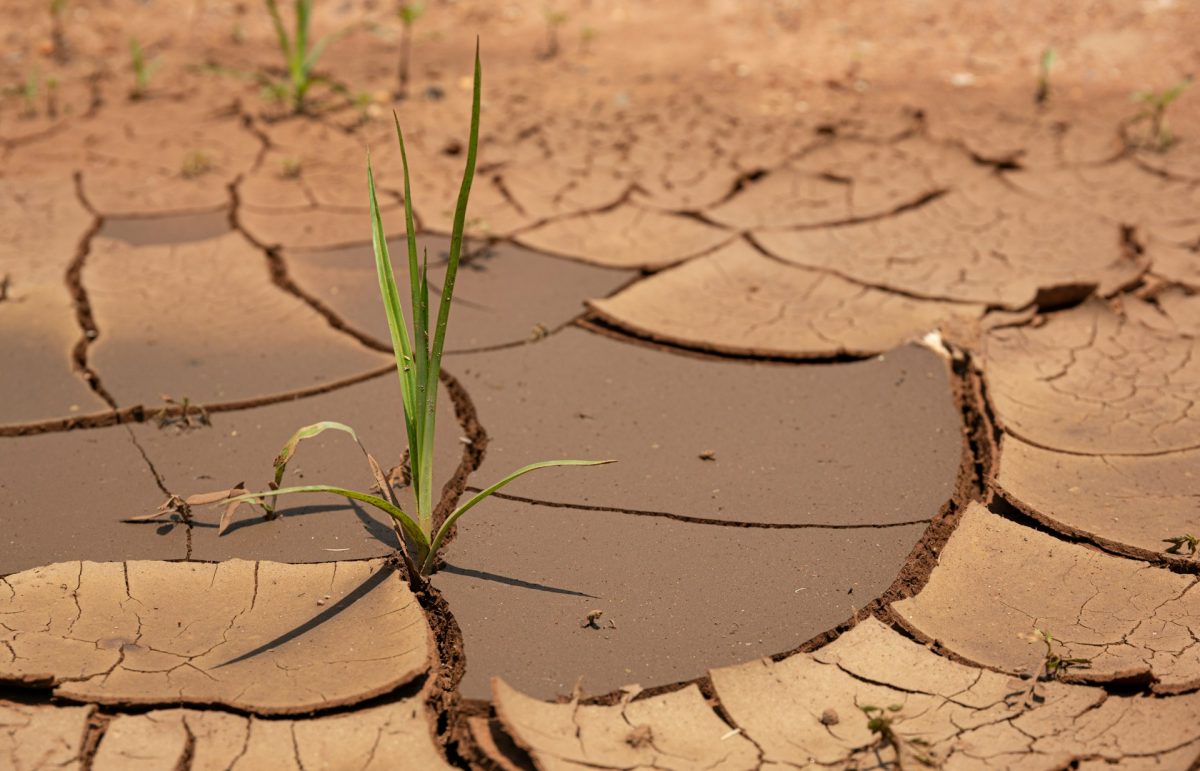
Gardens are changing fast as hotter summers and unpredictable rainfall push homeowners to rethink what they plant. Water bills keep climbing in many regions, and lawns that once thrived now struggle to stay green without constant irrigation. That’s where drought-resistant plants step in and completely change the game for home landscapes. These plants don’t just survive dry spells—they actually thrive in them with very little fuss. The best part comes from how much beauty they still deliver while cutting down on water use.
Choosing the right plants can turn a thirsty yard into a low-maintenance, eco-friendly retreat. Many gardeners now focus on resilient species that handle heat, poor soil, and long stretches without rain. These options also help support pollinators and reduce long-term yard maintenance costs.
1. Lavender Brings Fragrance and Serious Toughness
Lavender stands out as a classic drought-tolerant plant that thrives in full sun and well-drained soil. Its silvery-green foliage adds color contrast even when flowers aren’t in bloom. Once established, lavender barely asks for water, making it a favorite in dry regions across the United States. Bees and butterflies also flock to its purple blooms, which boosts pollinator activity in the garden. This plant delivers fragrance, beauty, and resilience in one compact package.
Lavender also resists many common pests, which reduces the need for chemical treatments. Gardeners often plant it along borders or walkways to enjoy its calming scent with every step. It handles heat waves without losing its structure or charm. Many landscapers use it as a foundation plant in drought-conscious designs. Lavender proves that low water needs do not mean low visual impact.
2. Succulents Offer Endless Variety with Minimal Water
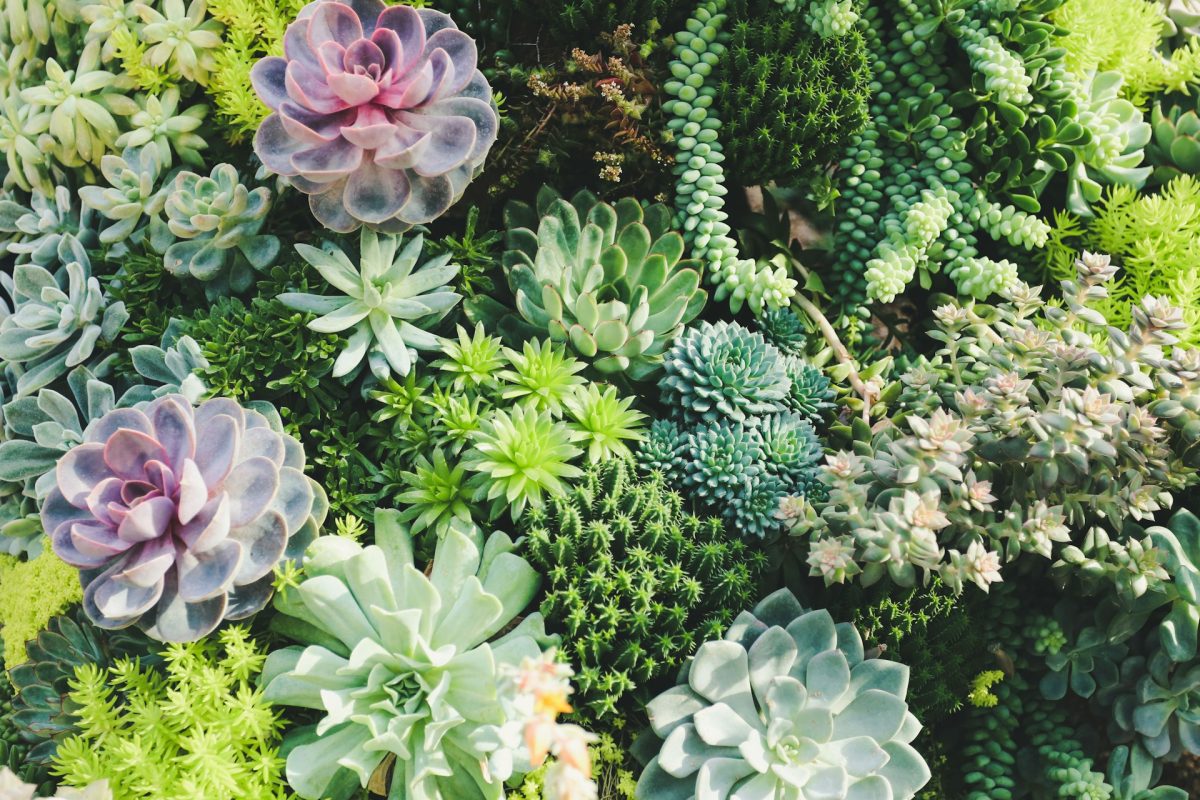
Succulents store water in their thick leaves, which allows them to survive long dry periods without stress. They come in hundreds of shapes and colors, from rosette-style echeveria to bold agave varieties. These plants thrive indoors and outdoors, especially in rocky or sandy soil. Many homeowners use succulents in decorative containers to reduce watering chores. Their sculptural appearance also adds a modern touch to any garden space.
Succulents work well in hot, sunny climates where traditional plants struggle. They rarely need fertilizer and only require occasional watering once established. Their adaptability makes them popular in xeriscaping projects across the country. Gardeners appreciate how easily they propagate, often creating new plants from cuttings. Succulents deliver style and efficiency in one drought-proof package.
3. Rosemary Doubles as a Culinary and Landscape Star
Rosemary brings both flavor to the kitchen and strength in the garden. This woody herb thrives in dry soil and full sun without frequent watering. Its needle-like leaves hold moisture well, allowing it to survive harsh conditions. Many homeowners use rosemary as a hedge or border plant due to its dense growth. It also releases a pleasant scent when brushed against, adding sensory appeal to outdoor spaces.
Rosemary adapts well to containers, raised beds, and in-ground planting. It handles heat waves better than many traditional herbs and ornamentals. Gardeners in southern states often rely on it for year-round greenery. It resists many pests naturally, reducing maintenance needs. Rosemary proves that practical plants can also elevate garden design.
4. Russian Sage Delivers Airy Beauty in Dry Conditions
Russian sage creates soft, lavender-blue plumes that sway beautifully in the wind. This perennial thrives in poor soil and full sun, making it ideal for low-water landscapes. Its silvery foliage adds brightness even during dry summer months. Once established, it requires almost no supplemental watering. Many gardeners use it to fill large spaces with color and movement.
Russian sage also attracts pollinators, especially bees and butterflies. It grows quickly and fills gaps in garden beds with ease. Landscapers value its ability to withstand heat without wilting. It pairs well with ornamental grasses and other drought-tolerant plants. Russian sage adds a dreamy, wild aesthetic to water-wise gardens.
5. Coneflower Stands Strong Through Heat and Drought
Coneflower, also known as echinacea, thrives in tough conditions across many U.S. regions. Its daisy-like blooms come in pink, purple, and white shades that brighten any landscape. This perennial handles drought once its roots establish deeply in the soil. It also supports pollinators and birds, especially when seed heads remain intact. Gardeners often rely on it for long-lasting summer color.
Coneflower resists disease and requires minimal care throughout the growing season. It performs well in both formal gardens and naturalized settings. Many homeowners appreciate its ability to return year after year without replanting. It tolerates heat waves without losing its structure or bloom quality. Coneflower delivers reliability and beauty in equal measure.
6. Yarrow Brings Wild Charm with Minimal Water Needs
Yarrow produces flat clusters of tiny flowers that create a soft, meadow-like appearance. It thrives in dry, sandy soil and full sun conditions. Once established, it survives long periods without irrigation. Many gardeners use it in wildflower gardens or natural landscapes. Its fern-like foliage adds texture even when not in bloom.
Yarrow attracts beneficial insects that help control garden pests. It spreads easily, which makes it useful for filling large spaces quickly. Landscapers value its durability in harsh climates. It also works well in erosion control due to its strong root system. Yarrow offers a carefree, natural look with very little maintenance.
7. Blue Fescue Adds Structure Without Thirsty Demands
Blue fescue is a compact ornamental grass that thrives in dry, sunny locations. Its blue-green tufts create a striking contrast against flowering plants. It requires very little watering once it establishes strong roots. Many gardeners use it in borders or rock gardens for texture. Its tidy shape makes it a favorite for low-maintenance landscapes.
Blue fescue resists drought, heat, and poor soil conditions. It keeps its color year-round in many climates across the United States. Gardeners appreciate its slow growth, which reduces pruning needs. It also works well in mass plantings for visual rhythm. Blue fescue brings structure and elegance without water stress.
8. Sedum Thrives Where Other Plants Struggle
Sedum, also known as stonecrop, stores water in its thick, fleshy leaves. This allows it to survive extreme drought with ease. It grows in rocky soil, containers, and even rooftop gardens. Many varieties produce bright clusters of star-shaped flowers in late summer. Its versatility makes it a go-to choice for low-water landscaping.
Sedum requires almost no maintenance once established. It spreads gently, forming colorful ground cover in dry areas. Gardeners use it to replace thirsty turf grass in problem spots. It resists pests and rarely needs fertilization. Sedum proves that resilience and beauty can coexist in harsh conditions.
A Smarter Way to Build a Water-Wise Garden
These eight drought-resistant plants show how gardens can stay vibrant without draining water resources. Each one brings its own personality, from fragrant herbs to bold flowering perennials and sculptural succulents. Together, they create landscapes that handle heat, drought, and unpredictable weather with confidence. Homeowners gain beauty, save money, and reduce maintenance all at once. Smart plant choices turn struggling yards into thriving, sustainable spaces that last for years.
What drought-resistant plant would fit best in your yard, and what challenges does your garden face right now?
You May Also Like…
5 Plants That Multiply So Fast You’ll Never Need to Buy Them Again
The Overwatering Problem: Why Soggy Soil Kills More Gardens Than Drought
The Watering Myth: Why More Moisture Can Hurt Root Development
7 Vegetables That Germinate Fast Even in Unpredictable Spring Weather
6 Selections That Perform Well in Clay Soil

Brandon Marcus is a staff writer for FrugalGardening.com at District Media, Inc., where he delivers practical gardening advice with a relatable, no-nonsense style. An avid amateur gardener, he holds a BA degree and with over ten years of professional writing experience, he is also an award-winning published author whose first book, Questions For Deep Thinkers, was released by Adams Media. His work has appeared in major publications including Fandom.com, CHUD.com, TheColdWire.com, and Fansided.com.
Leave a Reply