Nothing tests a gardener’s patience quite like staring at a patch of dirt that refuses to do anything exciting. Some seeds crawl out of the ground at a snail’s pace, while others burst into action so quickly they practically throw a party in the garden bed. Fast-germinating seeds bring instant gratification, which explains why experienced gardeners rely on them every single growing season.
They fill empty spaces, rescue patchy beds, and keep gardening fun when slower crops drag their feet. Better yet, these speedy growers help beginners build confidence because visible results arrive within days instead of weeks.
1. Radishes Race to the Finish Line
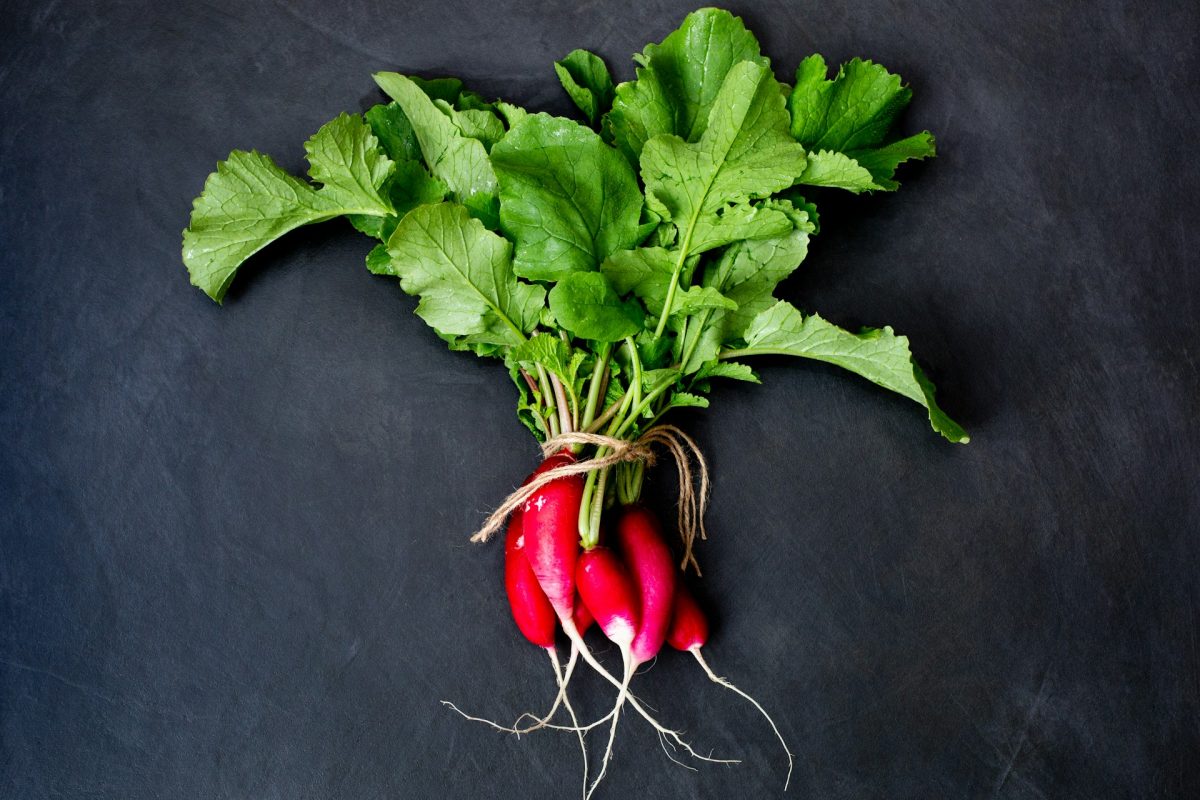
Radishes absolutely fly out of the soil, often sprouting within three to five days when temperatures stay mild and consistent. These crunchy little root vegetables thrive in spring and fall gardens across much of America because they tolerate cool weather without drama. Gardeners frequently use radishes as “marker crops” since they germinate so quickly and show exactly where rows sit in the garden bed. Many popular varieties mature in less than 30 days, which makes them one of the fastest edible rewards in home gardening. Crisp texture, peppery flavor, and colorful varieties give radishes serious personality despite their tiny size.
Radishes also help impatient gardeners stay motivated during early spring planting when tomatoes and peppers still snooze indoors under grow lights. Loose soil allows roots to form smoothly, while crowded conditions create twisted or stunted vegetables that disappoint at harvest time. Consistent watering keeps the roots tender and prevents the woody texture that ruins flavor. Garden centers often sell seed packets with French Breakfast, Cherry Belle, and Watermelon Radish varieties that all germinate quickly and perform reliably. A fresh radish pulled straight from the garden tastes dramatically better than the grocery store version, which explains why so many gardeners keep planting them again and again.
2. Lettuce Brings Nearly Instant Garden Gratification
Lettuce seeds usually germinate in about seven to ten days, making them another superstar for gardeners who crave fast results. Cooler weather encourages vigorous growth, especially during spring and early fall when scorching heat stays out of the picture. Leaf lettuce varieties grow especially quickly and allow gardeners to harvest outer leaves while the plant continues producing fresh greens. That “cut-and-come-again” habit stretches one planting into weeks of salads without requiring much effort. Even apartment gardeners can grow lettuce successfully in containers on sunny patios or balconies.
Fresh lettuce completely changes the salad experience because the flavor tastes sweeter, crisper, and far more vibrant than packaged greens from the store. Hot weather can trigger bolting, which causes bitterness and sends the plant into flower production instead of leaf growth. Smart gardeners stagger plantings every couple of weeks to maintain a continuous harvest throughout the season. Black Seeded Simpson, Buttercrunch, and Romaine varieties all germinate quickly and perform well for beginners. Few gardening moments feel more satisfying than snipping fresh lettuce minutes before dinner hits the table.
3. Green Beans Practically Explode From the Soil
Green beans waste very little time once warm soil temperatures arrive and usually sprout in about 7 to 16 days days. Bush bean varieties stay compact and productive, while pole beans climb dramatically upward and create lush garden walls covered with dangling pods. Kids especially love growing beans because the plants shoot upward so quickly that changes appear almost overnight. Warm weather matters tremendously here because cold, wet soil can rot seeds before they ever germinate. Gardeners in many parts of America wait until after the final frost before direct sowing bean seeds outdoors.
Beans also improve soil health because they naturally fix nitrogen, which benefits neighboring plants and future crops. Trellised pole beans save valuable space in smaller gardens while adding vertical visual interest that looks downright beautiful. Frequent harvesting encourages the plants to keep producing fresh pods instead of slowing down early in the season. Blue Lake and Provider remain popular varieties because they combine strong germination with dependable harvests. Fresh-picked green beans snap with crisp texture and unbeatable flavor that canned beans simply cannot imitate.
4. Zinnias Deliver Fast Color and Pollinator Power
Zinnias germinate quickly, usually within four to seven days, and transform garden beds into bright explosions of color in remarkably little time. These cheerful flowers thrive during hot American summers and tolerate tough conditions better than many fussier annuals. Butterflies, bees, and hummingbirds flock to zinnias constantly, which helps pollinator-friendly gardens buzz with life all season long. Gardeners adore the enormous range of available colors, from fiery orange and electric pink to creamy white and deep red. The flowers also make outstanding cut blooms that last impressively long in indoor arrangements.
Direct sowing works beautifully with zinnias because the plants dislike root disturbance during transplanting. Good airflow prevents powdery mildew, which sometimes appears during humid weather when plants grow too closely together. Deadheading spent flowers encourages continuous blooming and keeps the plants looking tidy and energetic. Short dwarf varieties fit perfectly into containers, while taller types create dramatic back-of-border displays in larger gardens. Few flowers work harder for less effort than zinnias, which explains why seasoned gardeners keep seed packets ready every spring.
5. Cucumbers Sprint Through Summer Gardens
Cucumber seeds germinate quickly in warm soil and often emerge within three to seven days under favorable conditions. Rapid early growth helps cucumber plants establish themselves before summer heat fully settles in across much of the country. Trellising cucumbers improves airflow, reduces disease pressure, and keeps fruits cleaner during harvest season. Gardeners with limited space often train vines vertically to maximize productivity in smaller yards or raised beds. Fast-growing cucumber vines quickly create lush greenery that gives gardens a vibrant, thriving appearance.
Consistent watering prevents bitter fruits and helps cucumbers maintain crisp texture during hot weather. Pickling varieties stay compact and productive, while slicing cucumbers produce long, refreshing fruits perfect for sandwiches and salads. Bees play a critical role in pollination, so healthy pollinator activity dramatically improves harvest success. Straight Eight and Marketmore remain trusted favorites because they germinate reliably and tolerate common garden challenges well. Fresh cucumbers harvested straight from the vine deliver crunch and flavor that grocery store produce rarely matches.
6. Sunflowers Shoot Skyward in Record Time
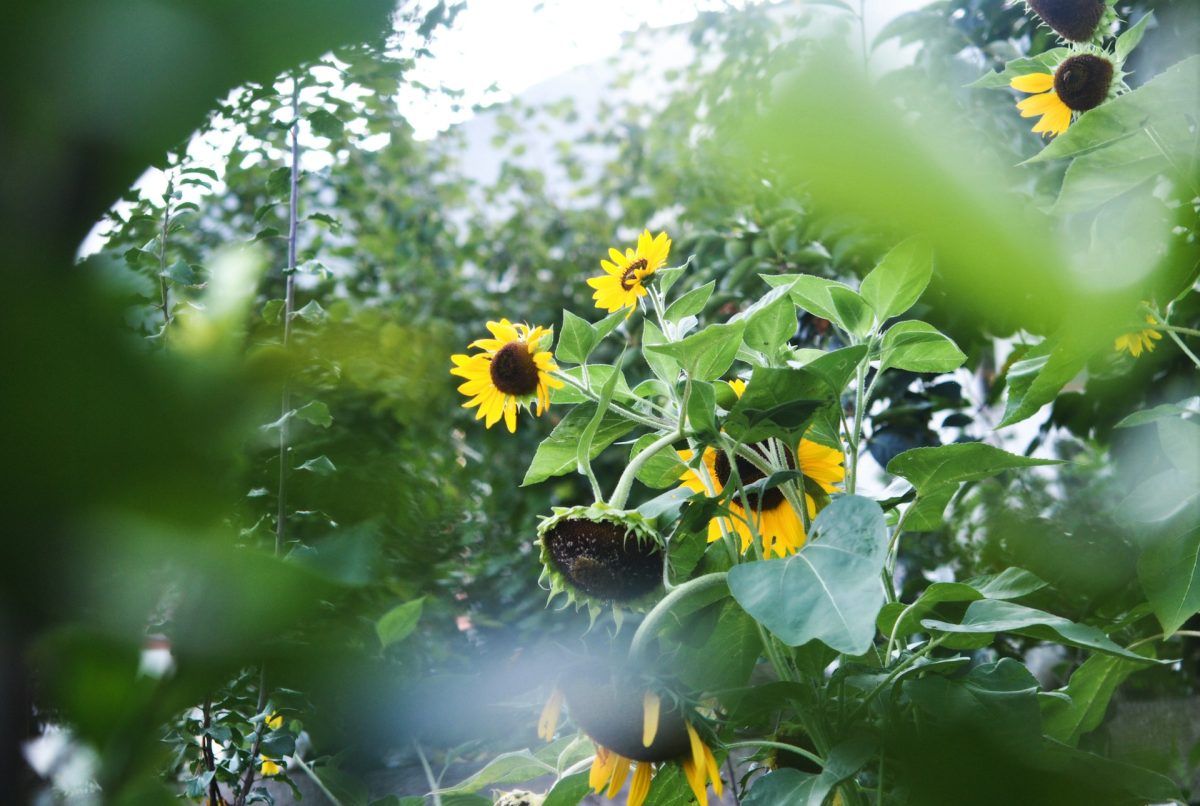
Sunflowers germinate in roughly seven to ten days and quickly become the towering celebrities of summer gardens. Children often become obsessed with sunflower growth because stems seem to stretch taller every single day once warm weather arrives. These bold plants tolerate heat remarkably well and attract bees, birds, and beneficial insects throughout the growing season. Some giant varieties reach heights above 10 feet, while dwarf types fit neatly into containers and smaller suburban landscapes. Their oversized blooms instantly create a cheerful, all-American garden atmosphere.
Direct sowing after frost works best because sunflowers develop strong taproots that dislike transplanting. Birds sometimes snack on newly planted seeds, so gardeners often protect planting areas with lightweight row covers until sprouts emerge. Sunflowers also support backyard wildlife because mature seed heads feed finches and other birds later in the season. Mammoth, Autumn Beauty, and Teddy Bear varieties each offer distinct looks and growth habits for different garden styles. A towering sunflower patch turns ordinary backyards into summer showpieces with surprisingly little effort.
7. Spinach Delivers Fast Greens Before Summer Heat Arrives
Spinach germinates quickly in cool conditions and typically sprouts within five to nine days when temperatures cooperate. Early spring and fall planting produce the best results because excessive heat causes spinach to bolt rapidly. Nutrient-rich leaves pack serious value into small garden spaces, especially for gardeners focused on homegrown healthy eating. Raised beds and containers both work wonderfully for spinach since the crop stays relatively compact throughout its growth cycle. Fast germination also helps gardeners squeeze extra harvests into shorter growing seasons.
Consistent moisture keeps spinach tender and prevents stress that can reduce flavor quality. Many gardeners pair spinach with slower crops because the quick harvest frees up valuable garden space later in the season. Baby spinach leaves taste especially sweet and work beautifully in salads, smoothies, and quick sautés. Bloomsdale and Space spinach varieties remain reliable favorites because they germinate consistently and handle cooler temperatures well. Few crops reward spring gardeners faster than a lush patch of fresh spinach ready for harvest before summer even begins.
Fast Sprouts, Big Gardening Confidence
Quick-germinating seeds do more than save time because they inject excitement into the gardening experience almost immediately. Fast results encourage beginners to stick with gardening while giving experienced growers dependable crops that fill gaps and boost productivity. These speedy seeds also help families stay engaged since visible progress appears within days instead of dragging out for weeks. Smart gardeners often combine quick growers with slower vegetables to create gardens that feel active and rewarding throughout the season. A little patience still matters in gardening, but these seeds definitely make the waiting game far more enjoyable.
Which fast-growing seed always earns a permanent spot in your garden every year? If you have some helpful and speedy advice to share, please do so below in our comments.
You May Also Like…
7 Vegetables That Germinate Fast Even in Unpredictable Spring Weather
Why Some Seeds Never Germinate and How to Improve Your Success Rate
Why Seeds Fail to Sprout Even in Ideal Conditions
How to Get 50 Gallons of Fertilizer for the Price of a Packet of Seeds
5 DIY Bird Deterrents That Protect Seeds and Seedlings

Brandon Marcus is a staff writer for FrugalGardening.com at District Media, Inc., where he delivers practical gardening advice with a relatable, no-nonsense style. An avid amateur gardener, he holds a BA degree and with over ten years of professional writing experience, he is also an award-winning published author whose first book, Questions For Deep Thinkers, was released by Adams Media. His work has appeared in major publications including Fandom.com, CHUD.com, TheColdWire.com, and Fansided.com.
Leave a Reply