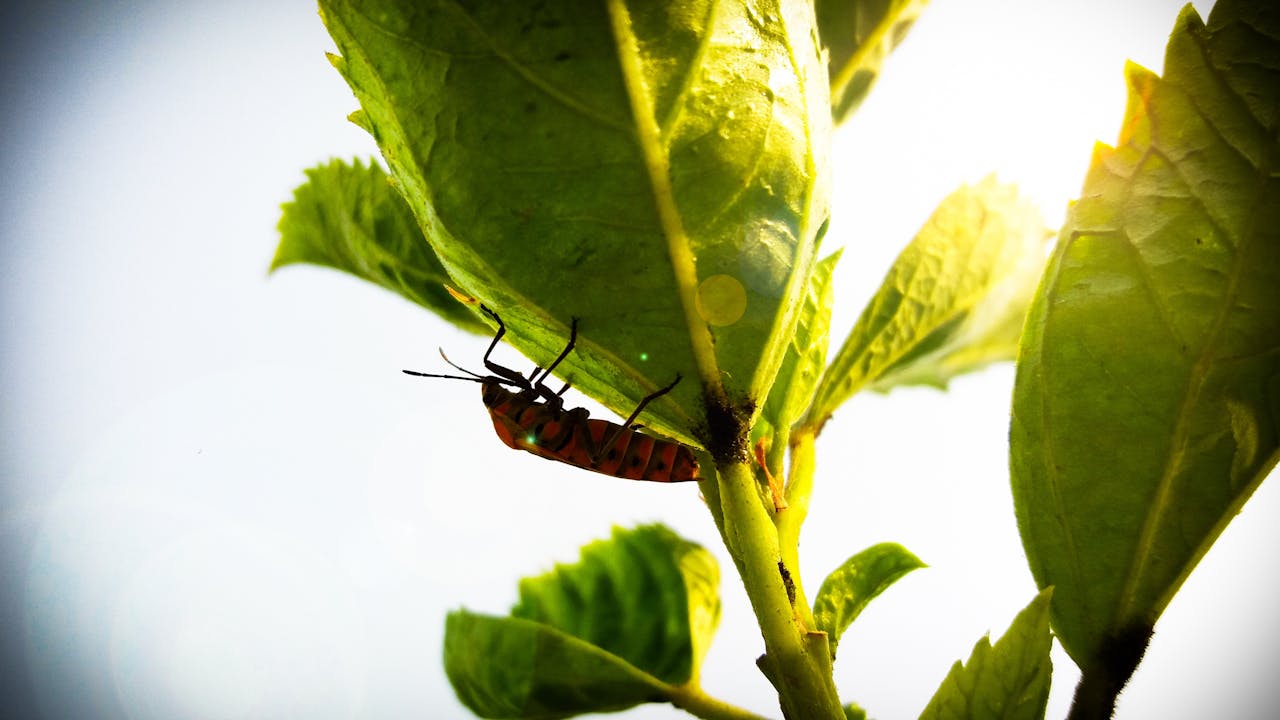
Insects do not just show up—they take over patios, gardens, and kitchens when conditions allow it. Many homeowners want a safer way to push them back without relying on harsh chemicals or expensive treatments. Nature already offers powerful tools that help keep bugs at a distance while protecting pollinators and pets. Smart gardeners across the United States rely on these simple solutions to reclaim their outdoor spaces. The best part comes from how easy these methods feel once they become part of a routine.
Natural repellents work best when people understand how insects behave and what drives them away. Strong scents, plant compounds, and even kitchen staples can disrupt how pests navigate and feed. These strategies do not just mask the problem; they actively discourage insects from sticking around.
1. Citronella Creates a Natural “No Entry” Zone
Citronella stands as one of the most recognized natural insect deterrents in American backyards. This plant produces a strong citrus-like aroma that confuses mosquitoes and keeps them from landing. People often burn citronella candles or use oil diffusers to extend its reach across patios and porches. Gardeners also plant citronella grass near seating areas for a long-term defense strategy. The scent does not kill insects, but it strongly discourages them from hanging around.
Citronella works best during warm evenings when mosquitoes become most aggressive. Many homeowners notice fewer bites within minutes of lighting a citronella candle. Outdoor gatherings feel more comfortable when this scent spreads across the space. The key comes from consistent use rather than one-time application. Over time, citronella helps create a familiar boundary that insects learn to avoid.
2. Peppermint Oil Packs a Powerful Punch Against Pests
Peppermint oil delivers a sharp scent that overwhelms many insects, including ants, spiders, and mosquitoes. This essential oil disrupts their sensory receptors and makes treated areas feel unsafe. Homeowners often mix peppermint oil with water and spray it along windows, doors, and baseboards. The cooling smell also makes indoor spaces feel fresher while repelling unwanted visitors. Few natural options combine effectiveness and pleasant aroma as well as peppermint oil.
Regular application keeps results strong, especially in high-traffic entry points. Many gardeners report fewer ant trails within days of consistent spraying. Peppermint oil also helps deter rodents, which dislike strong minty environments. People often rotate peppermint with other oils to prevent insects from adapting. This approach strengthens long-term pest control without relying on chemicals.
3. Lavender Brings Calm for People and Chaos for Bugs
Lavender creates a relaxing atmosphere for humans but sends many insects in the opposite direction. Mosquitoes, moths, and flies tend to avoid its floral yet intense scent. Gardeners often plant lavender near windows, walkways, and outdoor seating areas. Dried lavender sachets inside homes help protect closets and storage spaces. The plant adds beauty while actively reducing pest activity.
Lavender thrives in sunny, well-drained areas across most of the United States. Once established, it requires little maintenance while continuing to produce strong aromatic oils. Many homeowners use lavender essential oil sprays for extra protection during peak insect seasons. The scent lingers longer than many expect, which strengthens its effectiveness. This plant combines elegance with practical pest control in a way few others can match.
4. Neem Oil Interrupts Insect Life Cycles
Neem oil stands out because it does more than repel insects—it disrupts their development. Derived from the neem tree, this oil affects feeding and reproduction in many common garden pests. Gardeners mix neem oil with water and apply it directly to plants. Aphids, whiteflies, and beetles struggle to survive after repeated exposure. This makes neem oil a powerful tool for long-term garden protection.
Consistent use plays a major role in success with neem oil treatments. Many growers apply it early in the morning or late in the evening to avoid sun damage to plants. The oil breaks down naturally, which keeps it safe for beneficial insects when used correctly. Over time, pest populations decline as their life cycles break down. Neem oil gives gardeners a science-backed option that supports healthy plant growth.

5. Vinegar Spray Disrupts Ant Trails and Flying Pests
Vinegar creates a strong acidic environment that confuses insects and erases scent trails. Ants rely heavily on these trails to navigate, so vinegar spray quickly disrupts their communication. Homeowners often mix equal parts vinegar and water for a simple DIY spray. This solution works well on countertops, door frames, and outdoor surfaces. The smell fades for humans but remains effective against pests.
Regular cleaning with vinegar reduces the chance of recurring infestations. Many people use it as a preventive tool rather than a reactive fix. Vinegar also helps remove sticky residues that attract fruit flies and gnats. Its versatility makes it a staple in natural pest control routines. When used consistently, vinegar keeps insect activity under control without added chemicals.
6. Garlic Spray Drives Away a Wide Range of Insects
Garlic produces a strong sulfur-based scent that most insects avoid immediately. Gardeners often crush garlic cloves and steep them in water to create a homemade spray. This solution works well against aphids, caterpillars, and beetles in vegetable gardens. The odor overwhelms insects’ senses and discourages feeding. Garlic also supports plant health when applied correctly.
Many growers apply garlic spray early in the growing season for best results. Reapplication after rain helps maintain strong protection. Some gardeners combine garlic with chili peppers for an even stronger deterrent. The mixture creates a natural barrier that pests struggle to tolerate. Garlic spray offers a budget-friendly solution that fits easily into any gardening routine.
7. Rosemary and Basil Turn Gardens Into Natural Shields
Rosemary and basil do more than flavor meals—they also defend gardens from pests. These herbs release strong aromatic oils that repel mosquitoes, flies, and beetles. Many homeowners plant them near patios, doors, and vegetable beds. Their scent intensifies in warm weather, which increases their effectiveness. These plants also attract beneficial pollinators, creating a balanced ecosystem.
Regular harvesting keeps these herbs healthy and more fragrant. Gardeners often crush leaves slightly to release extra oils during peak insect seasons. Rosemary thrives in dry conditions, while basil prefers consistent watering. Together, they create a layered defense system that supports both beauty and function. These herbs prove that edible gardens can also act as pest control zones.
Natural Pest Control That Works With Nature, Not Against It
Natural repellents succeed when people apply them consistently and understand how insects respond to scent and environment changes. Each method works best as part of a broader strategy rather than a single fix. Homeowners who combine oils, plants, and kitchen staples often see stronger long-term results. These approaches protect outdoor spaces without harming beneficial insects or disrupting ecosystems. Simple routines often create the most reliable defense against unwanted pests.
What natural insect repellent has worked best in your own yard or home? Give us your tips and tricks below in our comments because other gardeners want to learn.
You May Also Like…
7 Budget Seed Storage Tips That Preserve Germination
Why Some Gardens Attract More Pests
What to Plant for Natural Pest Control Without Sprays
10 Selections That Attract Bees, Butterflies, and Beneficial Insects
8 Insects That Actually Help in Fall Gardens

Brandon Marcus is a staff writer for FrugalGardening.com at District Media, Inc., where he delivers practical gardening advice with a relatable, no-nonsense style. An avid amateur gardener, he holds a BA degree and with over ten years of professional writing experience, he is also an award-winning published author whose first book, Questions For Deep Thinkers, was released by Adams Media. His work has appeared in major publications including Fandom.com, CHUD.com, TheColdWire.com, and Fansided.com.
Leave a Reply