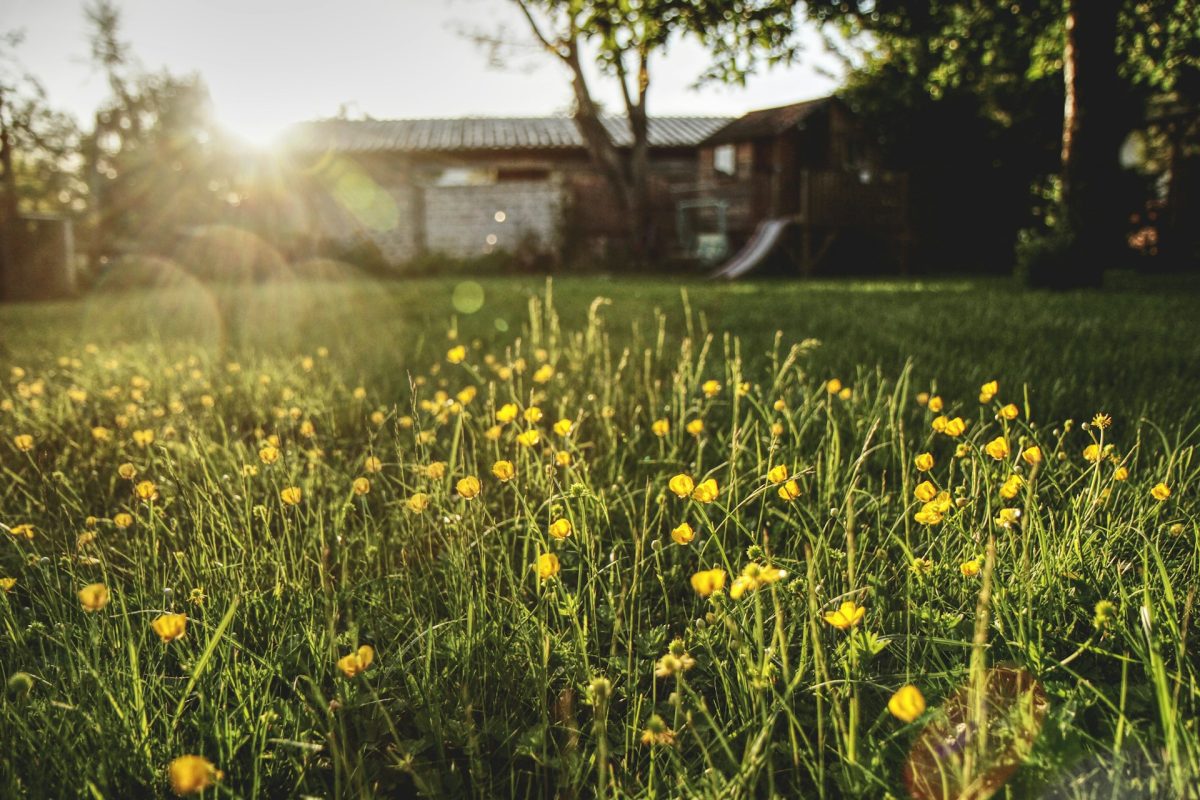
Blazing sun, dry soil, and relentless heat can turn a once-lush garden into a crispy mess faster than a forgotten ice cream cone melts on a sidewalk. Smart gardeners don’t fight the heat—they outsmart it with plants that actually thrive in those conditions. The trick lies in choosing varieties that evolved to handle intense sun, minimal water, and soaring temperatures without throwing in the towel.
A well-planned heat-resistant garden doesn’t just survive summer; it looks downright spectacular while doing it. These six powerhouse plants bring color, texture, and resilience to outdoor spaces that refuse to wilt under pressure.
1. Lantana Brings Nonstop Color and Zero Drama
Lantana flourishes where other flowers wave the white flag, pumping out bright clusters of blooms even during the hottest months of the year. This plant loves full sun and handles drought like a champ, making it a favorite for low-maintenance landscapes. Gardeners often notice butterflies flocking to lantana, adding extra life and movement to outdoor spaces. It grows quickly and spreads generously, which makes it perfect for filling empty garden beds with vibrant color. Once established, lantana requires very little watering, which helps cut down both effort and water bills.
Tough conditions don’t intimidate lantana because its woody stems and hardy leaves lock in moisture efficiently. Many varieties come in bold shades like orange, pink, yellow, and red, often blending multiple hues in one flower cluster. Regular trimming keeps the plant looking tidy and encourages even more blooms throughout the season. Lantana also works beautifully in containers, especially in areas that receive full, blazing sun all day long. Gardeners who want maximum impact with minimal fuss often rely on this plant as a summer staple.
2. Succulents Store Water Like Natural Reservoirs
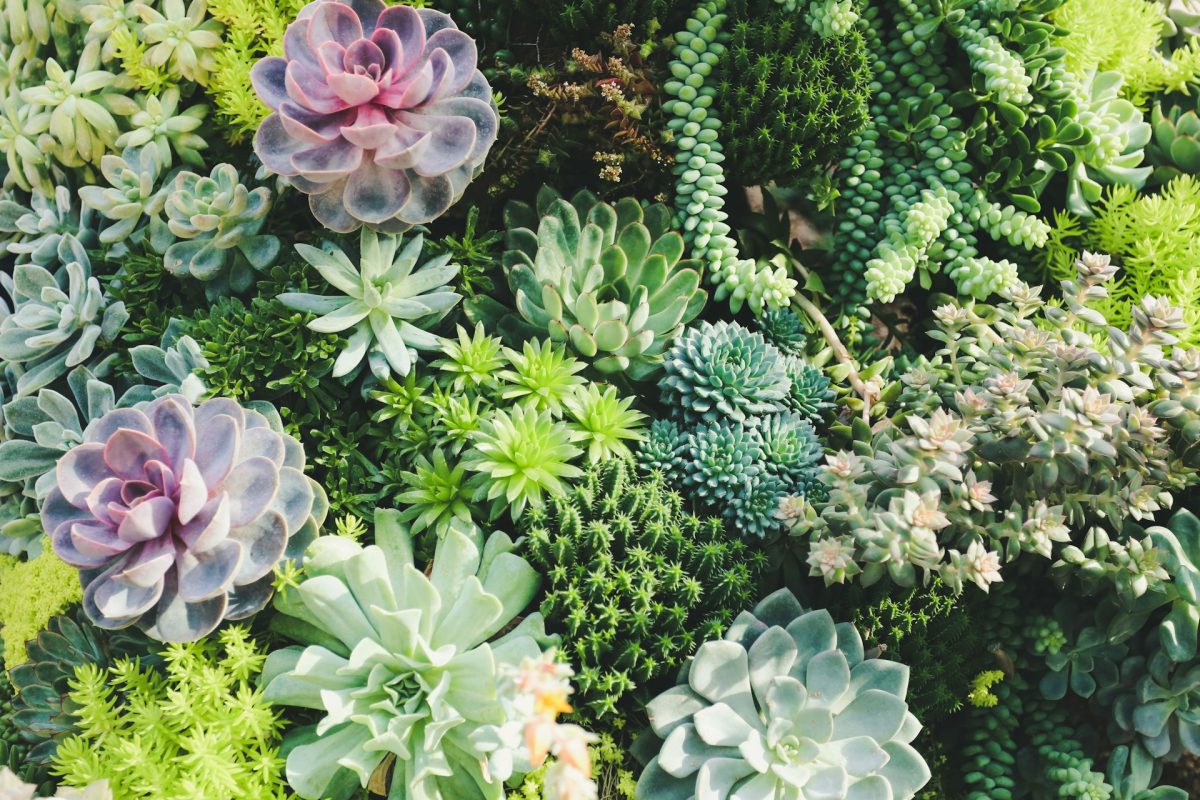
Succulents practically redefine survival, storing water in their fleshy leaves to power through long stretches of heat and drought. These plants do well in sunny spots where the soil drains quickly, preventing root rot and other moisture-related issues. Popular varieties like echeveria and sedum offer striking shapes and colors that add visual interest to any garden. Their compact size makes them ideal for rock gardens, containers, or even vertical displays. Once planted, they require very little attention beyond occasional watering.
Heat waves don’t faze succulents because their internal water reserves keep them hydrated when the soil dries out. Gardeners often group different types together to create eye-catching arrangements that look both modern and effortless. These plants also adapt well to poor soil conditions, which eliminates the need for constant fertilizing. Overwatering poses the biggest risk, so restraint becomes the secret weapon for success. With the right placement and minimal care, succulents deliver style and resilience in equal measure.
3. Lavender Delivers Fragrance and Toughness
Lavender doesn’t just survive heat—it thrives in it, releasing its signature fragrance more intensely under warm conditions. This Mediterranean native prefers full sun and well-drained soil, making it ideal for dry climates and hot summers. Its silvery foliage reflects sunlight, which helps the plant stay cool even during peak heat. Lavender also attracts pollinators like bees, boosting the overall health of the garden. Many gardeners plant it along walkways or borders to enjoy both its scent and its beauty.
Dry conditions actually improve lavender’s performance, encouraging stronger blooms and richer aroma. Overwatering or heavy soil often causes problems, so proper drainage remains essential for long-term success. Pruning after flowering keeps the plant compact and encourages a second round of blooms in some varieties. Lavender also doubles as a practical plant, with dried flowers used in sachets, oils, and culinary recipes. Few plants combine beauty, usefulness, and heat tolerance as effortlessly as lavender.
4. Zinnias Add Bright Pops Without the Fuss
Zinnias bring bold, cheerful color to gardens that bake under the summer sun, and they do it without demanding constant care. These annuals grow quickly from seed and bloom in a rainbow of shades, including red, pink, orange, and white. Full sun fuels their growth, while moderate watering keeps them thriving even during hot spells. Gardeners love zinnias for their ability to produce continuous blooms throughout the season. They also make excellent cut flowers, adding fresh color indoors.
Heat doesn’t slow zinnias down, especially when gardeners deadhead spent blooms to encourage new growth. Good air circulation helps prevent mildew, which can sometimes develop in humid conditions. These flowers adapt well to different soil types, as long as drainage remains decent. Planting them in clusters creates a bold visual impact that draws attention from across the yard. With minimal effort, zinnias transform hot, dry spaces into lively bursts of color.
5. Ornamental Grasses Handle Heat With Grace
Ornamental grasses sway effortlessly in the heat, adding movement and texture to landscapes that might otherwise feel flat. Varieties like fountain grass and blue fescue grow in full sun and tolerate drought once established. Their deep root systems allow them to access moisture far below the surface, giving them a major advantage during dry periods. These grasses require very little maintenance, making them perfect for busy schedules. They also pair beautifully with flowering plants, creating balanced and dynamic garden designs.
Heat waves often enhance the appearance of ornamental grasses, bringing out warm tones in their foliage. Seasonal changes add even more interest, with many varieties shifting color as temperatures fluctuate. Trimming them back once a year keeps them looking fresh and encourages new growth. Their resilience makes them a reliable choice for areas that receive intense sunlight all day long. Gardeners who want structure without constant upkeep often turn to ornamental grasses as a go-to solution.
6. Portulaca Lives Well in the Hottest Spots
Portulaca, also known as moss rose, prospers in conditions that would challenge most other flowering plants. This low-growing annual produces vibrant blooms that open in the sun and close at night, creating a dynamic display. It handles poor soil, high heat, and minimal watering with ease, making it ideal for tough garden spots. Its succulent-like leaves store moisture, allowing it to power through dry conditions without stress. Gardeners often use portulaca as ground cover or in hanging baskets for a cascading effect.
Extreme heat actually encourages portulaca to bloom more vigorously, delivering a steady stream of color throughout the season. Planting it in sandy or rocky soil improves drainage and supports healthy growth. It rarely suffers from pests or diseases, which adds to its low-maintenance appeal. Bright shades like magenta, yellow, and coral create a cheerful, eye-catching display in even the harshest environments. For gardeners dealing with relentless sun, portulaca offers a reliable and vibrant solution.
Build a Garden That Laughs at the Heat
A garden doesn’t need constant pampering to look incredible during the hottest months of the year. Choosing plants that naturally blossom in heat transforms outdoor spaces into resilient, low-maintenance havens. Smart plant selection reduces water usage, cuts down on maintenance time, and keeps landscapes looking fresh even during extreme weather. Each of these six options brings unique strengths, from bold color to structural beauty and drought tolerance. With the right mix, any garden can handle rising temperatures without breaking a sweat.
Which of these heat-resistant plants will take center stage in your garden this summer? We want to know your ideas, thoughts, and insights in the comments below.
You May Also Like…
Why Ornamental Grasses Should Stay Standing Until Spring
7 Fruit Varieties You Can Still Establish Before Peak Heat
8 Heat-Tolerant Picks That Thrive as Temperatures Rise
The Early Heat Trap: Why Sudden Warm Weather Is Stalling Growth
6 Soil Additives That Could Backfire in Cold Weather—Experts Warn to Skip These in January

Brandon Marcus is a staff writer for FrugalGardening.com at District Media, Inc., where he delivers practical gardening advice with a relatable, no-nonsense style. An avid amateur gardener, he holds a BA degree and with over ten years of professional writing experience, he is also an award-winning published author whose first book, Questions For Deep Thinkers, was released by Adams Media. His work has appeared in major publications including Fandom.com, CHUD.com, TheColdWire.com, and Fansided.com.
Leave a Reply