A backyard can turn into a steady food source without draining a wallet or demanding expert-level skills. A few dollars in seeds can stretch into months of fresh harvests when the right crops take center stage. Gardeners who focus on “cut-and-come-again” plants unlock a powerful secret: some vegetables keep giving long after the first harvest. Grocery bills shrink, meals taste fresher, and the satisfaction hits differently when dinner grows just steps away. Smart crop choices create a mini pantry that refills itself week after week.
The magic lies in selecting plants that thrive with repeated harvesting instead of one-and-done yields. Many high-producing crops grow quickly, bounce back after cutting, and adapt well to small backyard spaces or containers. Even a modest setup can deliver baskets of produce with minimal ongoing cost.
1. Leafy Greens That Bounce Back Faster Than Expected
Leafy greens like lettuce, spinach, and arugula dominate any productive backyard pantry because they regrow quickly after each harvest. A gardener can snip outer leaves while leaving the center intact, which encourages continuous growth without replanting. These crops thrive in cooler temperatures and tolerate partial shade, making them flexible for different yard conditions. Many varieties mature in as little as 25 to 40 days, delivering rapid returns on a tiny seed investment. A single packet of seeds can supply salads for weeks when harvested correctly.
Consistent watering and nutrient-rich soil push leafy greens to produce tender, flavorful leaves again and again. Gardeners often rotate plantings every two to three weeks to maintain a steady supply throughout the season. Pests like aphids may appear, but a quick rinse or natural spray usually keeps them under control. Harvesting early in the morning preserves crisp texture and better taste. This crop category delivers one of the highest yields per square foot, making it perfect for anyone building a low-cost food system.
2. Zucchini That Refuses to Slow Down
Zucchini earns a reputation for overwhelming harvests because it produces aggressively once it gets going. One or two plants can generate pounds of squash over a single season, often more than a household expects. Regular harvesting encourages the plant to keep producing, while neglected fruits can slow future growth. Warm soil and full sunlight push zucchini into high gear, especially during peak summer heat. A small investment in seeds can quickly turn into a surplus worth sharing.
Gardeners often underestimate how fast zucchini grows, which makes daily checks essential during peak season. Picking fruits when they reach six to eight inches keeps texture tender and flavor mild. Larger fruits still work for baking or grilling, but smaller ones drive continued production. Powdery mildew can appear late in the season, so good air circulation and spacing matter.
3. Green Beans That Keep Climbing and Producing
Green beans offer impressive returns, especially pole varieties that climb upward and maximize vertical space. These plants produce continuously when picked frequently, making them a staple in any productive garden. A simple trellis or fence supports growth and keeps pods clean and easy to harvest. Beans also improve soil health by fixing nitrogen, which benefits nearby plants. This dual-purpose advantage makes them both productive and practical.
Harvesting beans every couple of days keeps plants in production mode and prevents pods from becoming tough. Warm temperatures and consistent watering drive steady growth throughout the season. Bush varieties offer quicker harvests, while pole beans extend production over a longer period. Gardeners often plant both types to balance early and ongoing yields. With minimal effort, green beans can supply side dishes for weeks while improving overall garden health.
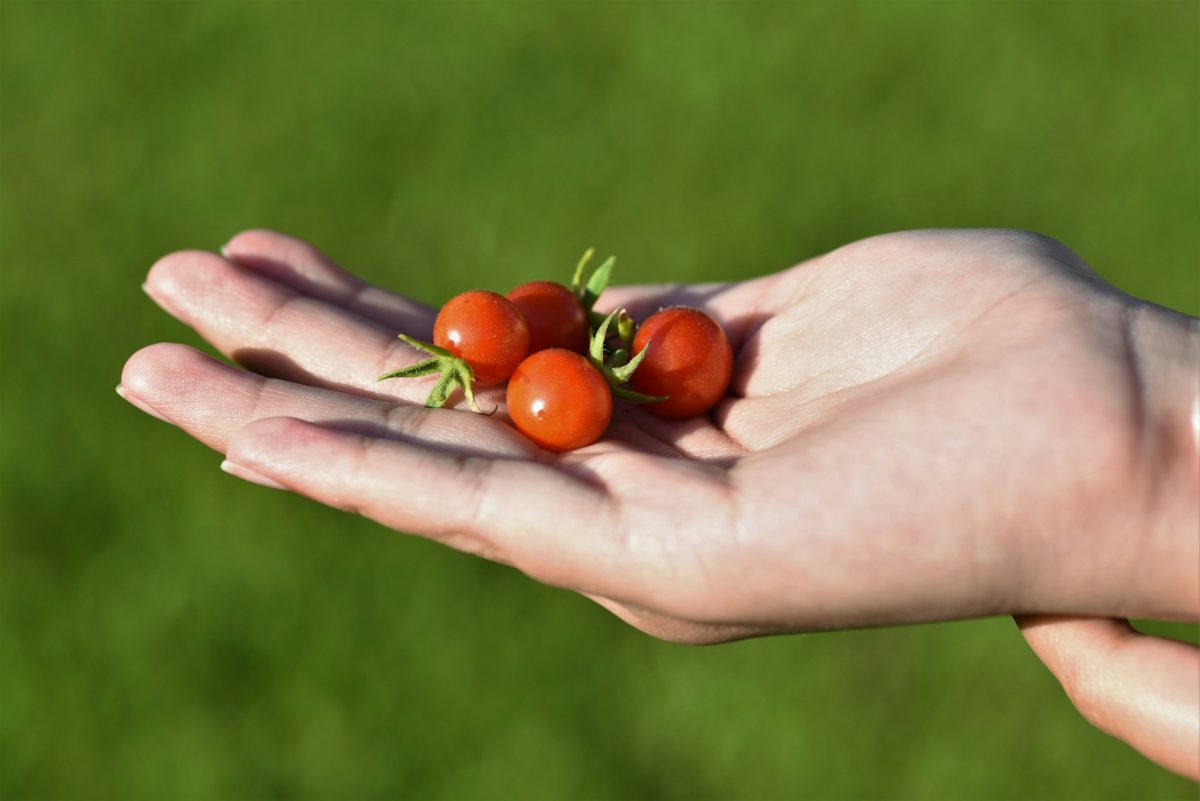
4. Cherry Tomatoes That Deliver Sweet, Endless Harvests
Cherry tomatoes stand out for their ability to produce clusters of fruit continuously throughout the growing season. These plants thrive in containers or garden beds, making them versatile for different spaces. Indeterminate varieties keep growing and fruiting until frost arrives, offering a steady supply for snacking and cooking. Proper support with stakes or cages prevents sprawling and protects developing fruit. Sunlight and consistent watering play a major role in maximizing output.
Regular harvesting encourages new blossoms and keeps plants focused on production rather than over-ripening fruit. Gardeners often notice peak yields during warm stretches when conditions remain stable. Cracking can occur with inconsistent watering, so even moisture levels matter. A single plant can produce dozens of tomatoes over time, delivering strong value for a low seed cost.
5. Herbs That Grow Back Stronger After Cutting
Herbs like basil, parsley, and cilantro provide continuous harvests while enhancing nearly every meal. Regular trimming encourages bushier growth, which leads to even more usable leaves over time. Many herbs thrive in small spaces, including containers placed near a kitchen door for easy access. Warm weather boosts growth, especially for basil, which can produce heavily with consistent care. A few dollars in seeds can replace expensive grocery store herb bundles for months.
Pinching back stems prevents flowering and keeps herbs focused on leaf production. Gardeners often harvest small amounts frequently rather than cutting large sections at once. Well-drained soil and steady sunlight support healthy, vigorous plants.
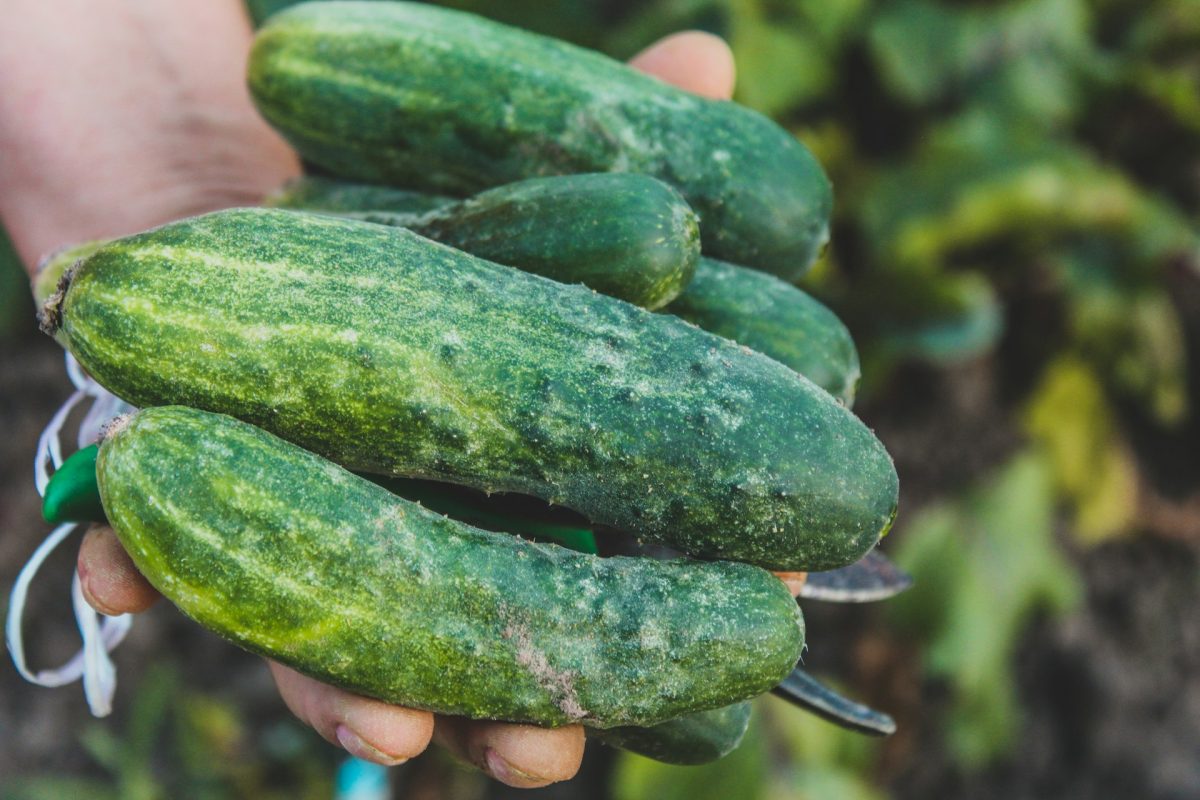
6. Cucumbers That Thrive With Frequent Picking
Cucumbers reward attentive gardeners with steady production throughout the season. These fast-growing plants produce more fruit when harvested regularly, which keeps vines active and productive. Trellising improves air circulation, reduces disease risk, and makes harvesting easier. Warm temperatures and consistent watering create ideal conditions for strong yields. A small number of plants can generate a surprising amount of cucumbers over time.
Gardeners often pick cucumbers when they reach medium size to maintain crisp texture and prevent bitterness. Overripe fruits can signal the plant to slow production, so timing matters. Pests like cucumber beetles may appear, but early intervention helps protect plants. Mulching around the base retains moisture and supports steady growth.
7. Peppers That Keep Producing With the Right Care
Peppers thrive in warm conditions and reward patience with ongoing harvests throughout the season. Both sweet and hot varieties produce multiple flushes of fruit when harvested regularly. Strong sunlight and well-drained soil support consistent growth and fruit development. Removing early blossoms can help plants establish before focusing on heavy production. This simple step often leads to larger overall yields.
Gardeners typically harvest peppers when they reach full size, although leaving them longer can deepen flavor and color. Consistent watering prevents stress that could reduce output or cause blossom drop. Fertilizing lightly during the growing season supports continued fruiting without overwhelming the plant.
A Backyard Pantry That Practically Refills Itself
A thriving backyard pantry does not require expensive equipment or a massive plot of land. Smart crop selection, consistent harvesting, and basic care can transform a small space into a reliable food source. Each of these seven crops delivers ongoing value, turning a one-time seed purchase into weeks or months of fresh produce. Gardeners who stay consistent with watering, pruning, and harvesting unlock the full potential of their plants. The result feels both practical and rewarding, especially when grocery trips shrink and meals taste better.
What would go into a dream backyard pantry: more herbs, more veggies, or something unexpected? If you have an opinion, hop into our comments to share.
You May Also Like…
Beat Grocery Inflation: The 5 Most Expensive Vegetables to Buy (And Easiest to Grow)
The Fast-Spreading Backyard Weed You Should Remove Early
Stop Buying Mulch: 3 Free Alternatives Already in Your Backyard
5 Ways to Reduce Weed Growth Without Chemicals
Vertical Veggies: Growing a Massive Harvest in Less Than 2 Square Feet

Brandon Marcus is a staff writer for FrugalGardening.com at District Media, Inc., where he delivers practical gardening advice with a relatable, no-nonsense style. An avid amateur gardener, he holds a BA degree and with over ten years of professional writing experience, he is also an award-winning published author whose first book, Questions For Deep Thinkers, was released by Adams Media. His work has appeared in major publications including Fandom.com, CHUD.com, TheColdWire.com, and Fansided.com.
Leave a Reply