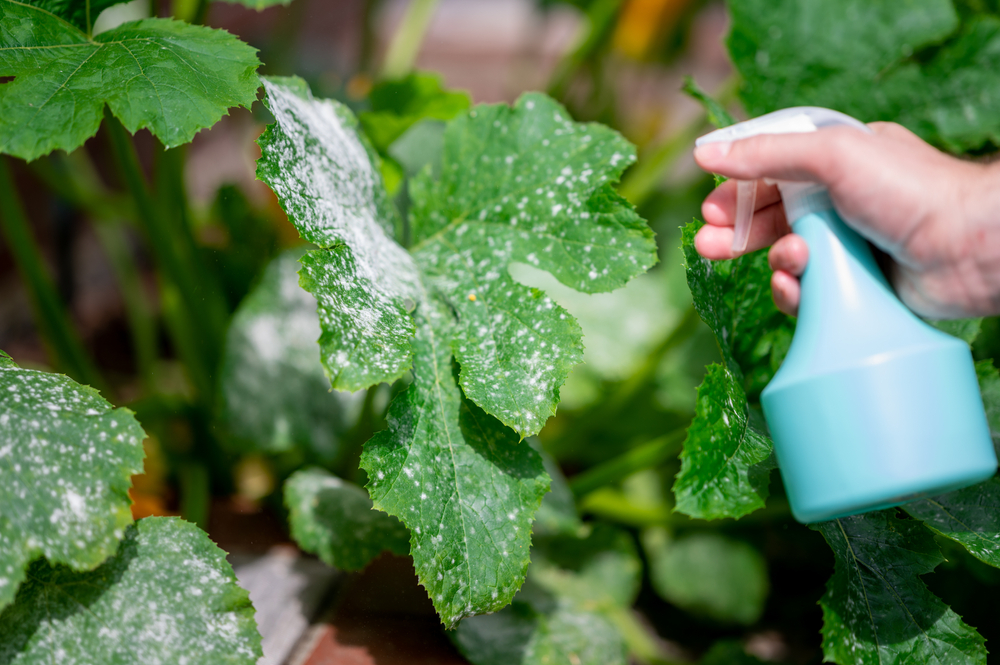
Powdery mildew shows up like an uninvited guest, coating leaves in a dusty white film and quietly sabotaging healthy plants. Gardeners often reach for chemical fungicides, but those options can feel expensive, harsh, and unnecessary for small outbreaks. A surprisingly simple solution has gained attention for both its effectiveness and affordability: milk spray.
This unconventional method uses something already sitting in the fridge, turning a household staple into a plant-saving tool. With the right approach, milk spray can stop powdery mildew in its tracks while keeping gardens thriving.
Why Powdery Mildew Is a Bigger Problem Than It Looks
Powdery mildew spreads fast, especially in warm, dry climates with high humidity swings. It weakens plants by blocking sunlight and interfering with photosynthesis, which slows growth and reduces yields. Vegetables like zucchini, cucumbers, and squash often suffer the most, but ornamental plants also fall victim.
Left untreated, the infection can spread across an entire garden within days. Quick action matters because early-stage mildew responds far better to simple remedies like milk spray.
What Makes Milk Spray Surprisingly Effective
Milk spray works because of its natural proteins and enzymes, which react with sunlight to create an antifungal effect. When sprayed on leaves, the solution forms a protective layer that disrupts the growth of powdery mildew spores. Research from agricultural studies has shown that diluted milk solutions can perform as well as some commercial fungicides. The key lies in consistency, not just a one-time application. Gardeners who apply milk spray regularly often see visible improvement within a week.
How to Mix and Apply Milk Spray Correctly
A simple ratio of one part milk to two parts water creates an effective and safe solution. Spray the mixture directly onto affected leaves, making sure to cover both the tops and undersides. Early morning works best because sunlight activates the antifungal properties without scorching the plant. Reapply every 7 to 10 days, especially after rain or heavy watering. Avoid overusing the mixture, as excess milk can create an unpleasant odor or encourage other issues.
Common Mistakes That Can Ruin Results
Some gardeners expect instant results and stop treatment too soon, allowing mildew to rebound quickly. Others use undiluted milk, which can harm plants and create residue buildup. Spraying during peak afternoon heat can damage leaves instead of helping them recover.
Ignoring airflow also limits effectiveness, since crowded plants trap moisture and encourage fungal growth. Consistency, proper dilution, and good garden hygiene all play crucial roles in making milk spray work.
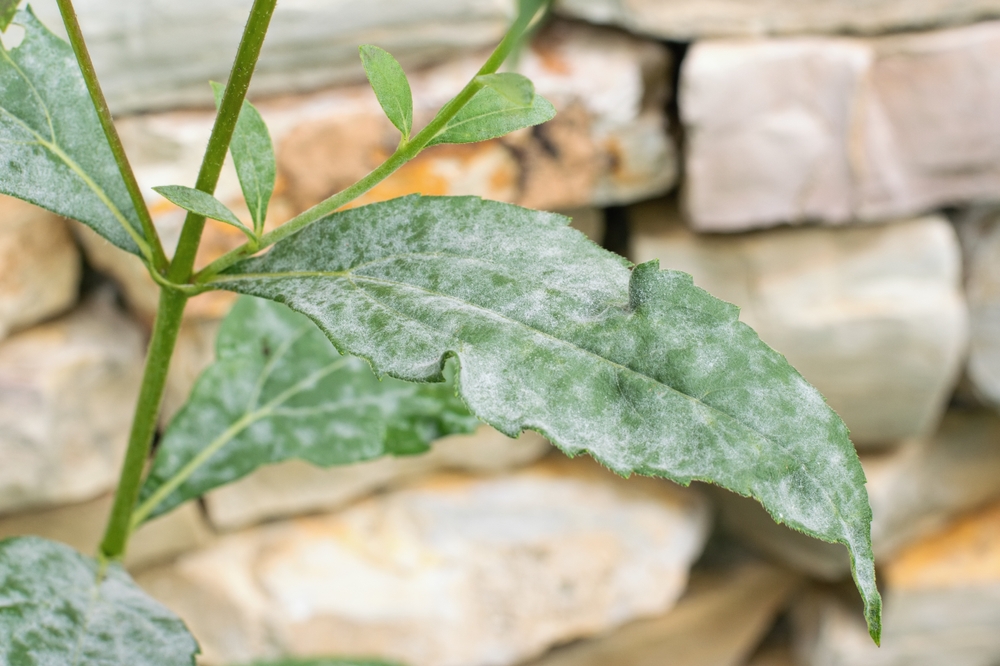
When Milk Spray Works Best—and When It Doesn’t
Milk spray performs best during early or moderate infections, where it can stop mildew before it spreads aggressively. It also shines in home gardens where chemical-free solutions matter more for safety and cost. Severe infestations may require stronger interventions or pruning of heavily affected leaves. Weather conditions also play a role, as prolonged dampness can reduce effectiveness. Understanding these limits helps gardeners use milk spray as part of a broader plant care strategy.
The Budget-Friendly Secret to Healthier Plants
Milk spray stands out as one of the most affordable ways to fight powdery mildew without sacrificing results. It reduces the need for store-bought fungicides, saving money while keeping plants safe for consumption. Gardeners gain peace of mind knowing they use a natural solution with minimal risk. With proper use, milk spray can become a reliable go-to method for maintaining plant health. Sometimes the simplest solutions deliver the most surprising results.
Have you tried milk spray to tackle powdery mildew, or do you have another unusual gardening trick that works wonders? Share your experience and tips in the comments.
You May Also Like…
The 100-Pound Potato Secret: How One $5 Bag of Spuds Feeds a Family
What Powdery Mildew Looks Like and How to Stop It Early
Which Plant Pairings Naturally Reduce Pests and Improve Yields
The Eggshell Secret: How One Kitchen Staple Saves You $50 in Pesticides
March Garden Pests That Hide Underground

Brandon Marcus is a staff writer for FrugalGardening.com at District Media, Inc., where he delivers practical gardening advice with a relatable, no-nonsense style. An avid amateur gardener, he holds a BA degree and with over ten years of professional writing experience, he is also an award-winning published author whose first book, Questions For Deep Thinkers, was released by Adams Media. His work has appeared in major publications including Fandom.com, CHUD.com, TheColdWire.com, and Fansided.com.
Leave a Reply