Spring gardening has a certain adrenaline rush to it—kind of like filling out a tournament bracket and hoping for a perfect run. The trick is knowing what you can plant before the final frost without setting yourself up for disappointment.
Done right, you’ll get a head start on your growing season, save money on groceries, and enjoy fresh flavors weeks earlier than your neighbors. Done wrong, and you’re replanting… which costs time, money, and patience.
1. Spinach: The Cold-Weather MVP
Spinach thrives in chilly soil and can germinate at temperatures as low as 40°F, making it a perfect early contender. It grows quickly, often ready for harvest in as little as 30 days, which means faster returns on your effort. This leafy green actually tastes sweeter when grown in cooler weather, giving you a flavor upgrade for free. Plant it in well-drained soil with partial sun for best results, and keep the soil consistently moist. If a surprise frost hits, spinach usually shrugs it off like a seasoned pro.
2. Peas: The Climbing Champion
Peas love cool weather and can be planted as soon as the soil is workable, even before the final frost. They’re natural climbers, so adding a trellis maximizes your space and boosts your yield. Snow peas and snap peas are especially forgiving for beginners and produce quickly.
Cooler temperatures also reduce pest issues, saving you money on treatments and headaches. Harvesting fresh peas straight from the vine is one of those simple joys that makes early gardening worth it.
3. Radishes: The Speedy Underdog
Radishes are one of the fastest-growing vegetables you can plant, often ready in just three to four weeks. They handle cold soil surprisingly well, making them ideal for impatient gardeners eager to see results. Because they mature so quickly, you can plant multiple rounds for continuous harvests. They also help break up soil, improving conditions for slower-growing crops later. If you’re testing your green thumb for the first time, radishes are your low-risk, high-reward pick.
4. Kale: The Tough Contender
Kale is famously resilient and can survive temperatures well below freezing once established. It’s packed with nutrients, which makes it a cost-saving powerhouse compared to buying greens at the store. The flavor actually improves after a light frost, becoming sweeter and less bitter. Plant it early, and you’ll enjoy harvests that last well into summer and even fall. It’s one of those crops that keeps giving long after others have faded.
5. Carrots: The Slow-and-Steady Player
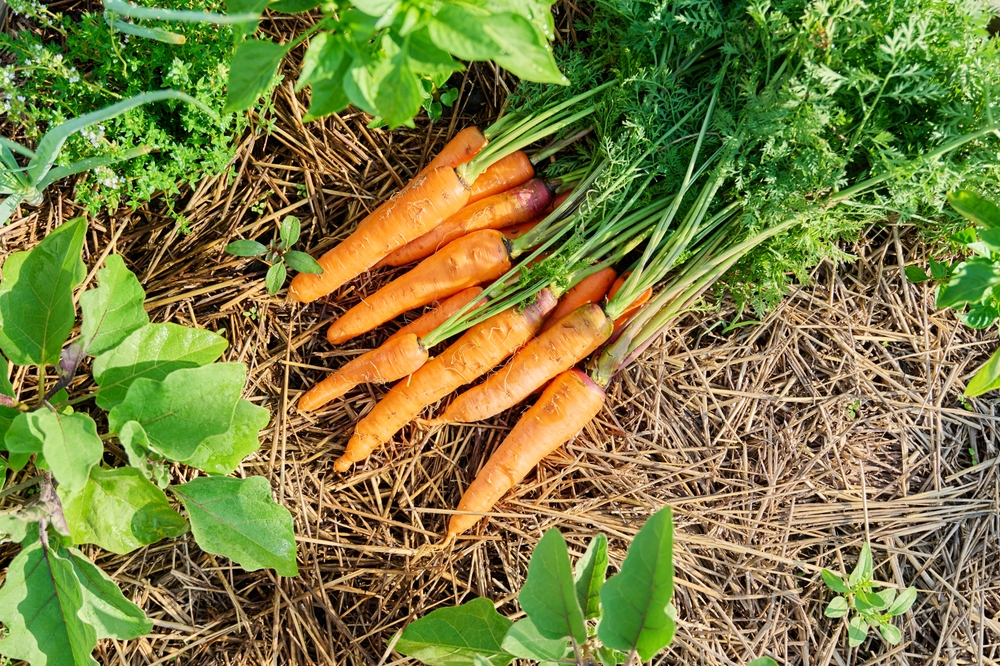
Carrots take longer to mature, but they can be sown early because their seeds tolerate cold soil. Patience is key here, as germination can take a couple of weeks in cooler temperatures. Once they get going, they’re relatively low-maintenance and highly rewarding.
Loose, well-drained soil helps them grow straight and strong, avoiding those oddly shaped roots. Growing your own carrots also means better flavor than store-bought versions, which are often harvested early for transport.
6. Lettuce: The Reliable Starter
Lettuce is another cool-weather favorite that grows quickly and doesn’t mind a bit of frost. There are dozens of varieties, so you can mix things up and avoid salad boredom. It’s perfect for container gardening if you’re short on space. Regular harvesting encourages new growth, stretching your investment even further. If you’ve ever paid premium prices for fresh greens, growing lettuce at home feels like a financial win.
7. Broccoli: The Early Investment
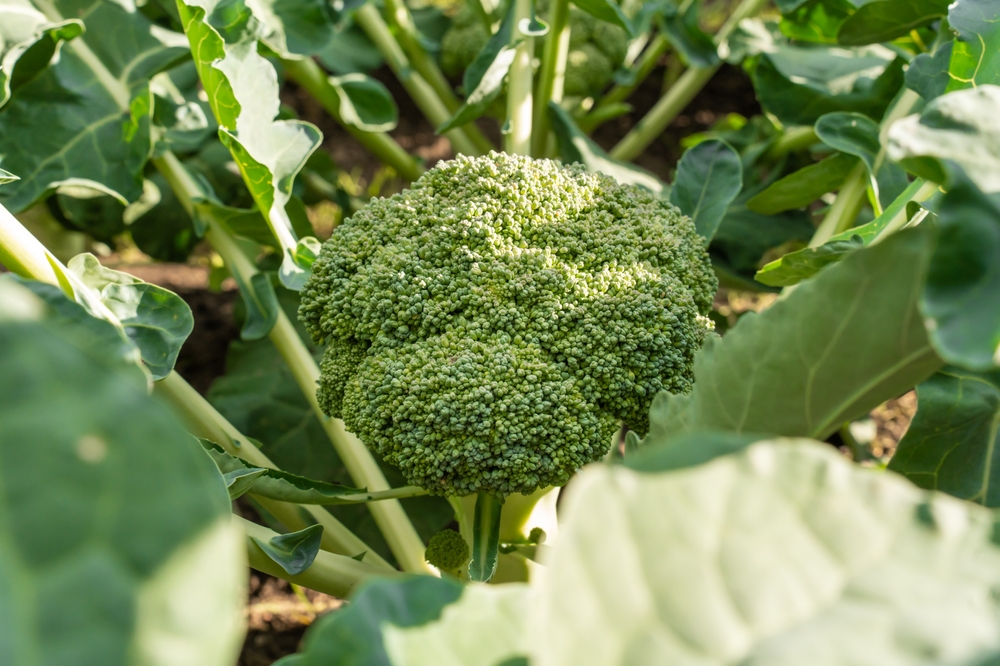
Broccoli can handle light frost and benefits from being planted early in the season. Starting it before the final frost helps avoid the heat that can cause it to bolt prematurely. While it takes a bit longer to mature, the payoff is substantial with large, nutritious heads. It’s also one of the more expensive vegetables at the store, making it a smart choice for budget-conscious gardeners. Give it plenty of space and nutrients, and it will reward you generously.
8. Beets: The Dual-Purpose Pick
Beets are a two-for-one deal since both the roots and the greens are edible. They tolerate cold soil well and can be planted weeks before the final frost. This versatility makes them a great value crop for anyone looking to maximize their garden output. They’re also relatively low-maintenance, requiring minimal intervention once established. Roasted beets or fresh beet greens can easily elevate your meals without adding to your grocery bill.
9. Onions: The Long-Term Strategy
Onions require a bit of patience, but planting them early gives them the long growing season they need. Sets or transplants are easier for beginners than seeds and establish quickly in cool soil. They’re a staple ingredient in countless recipes, so growing your own can significantly cut kitchen costs over time. Onions also store well, extending their value beyond the harvest season. Starting them before the final frost sets you up for a steady supply later in the year.
10. Potatoes: The Underground Winner
Potatoes can be planted a few weeks before the final frost, as they grow underground and are protected from cold snaps. They’re one of the most calorie-dense crops you can grow, making them a practical choice for food security.
Seed potatoes are relatively inexpensive and yield a generous harvest. Hilling soil around the plants as they grow helps protect them and increases production. Few gardening wins feel as satisfying as digging up a fresh batch of homegrown potatoes.
Your Winning Gardening Game Plan
Getting ahead of the final frost isn’t about gambling—it’s about strategy, timing, and choosing the right players for your garden. These ten crops give you a reliable way to start early without risking total loss, even if the weather throws a curveball. Think of it as stacking your bracket with proven performers rather than long shots. With a little planning, you’ll enjoy earlier harvests, lower grocery bills, and a stronger sense of self-sufficiency. The real victory is a garden that starts producing before most people even begin planting.
Which of these early-season crops are you planning to try first—and have you ever beaten the final frost successfully?
You May Also Like…
How to Protect Roots From Late Frosts Without Covers
7 Ways to Prevent Frost Heave From Uprooting Small Plants
7 Cheap Covers That Protect Plants Better Than Frost Cloth
Are Your Garden Containers Rated for Frost or Will They Crack?
How to Wrap Shrubs Like a Pro and Keep Them Safe from Frost

Brandon Marcus is a staff writer for FrugalGardening.com at District Media, Inc., where he delivers practical gardening advice with a relatable, no-nonsense style. An avid amateur gardener, he holds a BA degree and with over ten years of professional writing experience, he is also an award-winning published author whose first book, Questions For Deep Thinkers, was released by Adams Media. His work has appeared in major publications including Fandom.com, CHUD.com, TheColdWire.com, and Fansided.com.
Leave a Reply