An apartment doesn’t need land, sunlight-drenched acres, or a backyard fence to turn into a thriving food source. It only needs a little creativity, a bit of strategy, and a willingness to think like a magician who hides everything in plain sight. Fresh herbs, crisp greens, and even compact vegetables can flourish indoors without drawing attention, without cluttering space, and without turning a living room into a jungle. The trick lies in knowing how to blend function with disguise, so the space still feels like home while quietly producing food behind the scenes.
Forget the image of obvious pots lined up on windowsills and bulky grow setups humming in corners. A stealth garden thrives on subtlety and smart design, turning everyday items into growing systems that look completely ordinary. A bookshelf becomes a salad station, a lamp becomes a sun source, and a coffee table doubles as a mini farm. The result feels less like gardening and more like a clever life hack that keeps fresh ingredients within reach at all times.
Disguise Is Everything: Turning Plants Into Decor
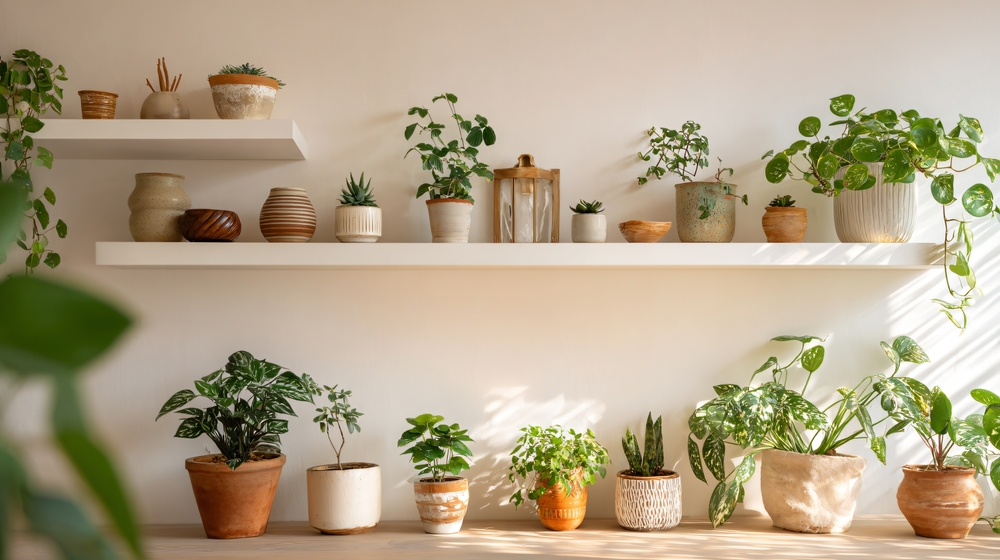
A stealth garden succeeds or fails based on how well it hides in plain sight, and that starts with design choices that make plants look intentional rather than functional. Decorative pots, neutral tones, and coordinated containers instantly shift the vibe from “growing food” to “stylish living.” Herbs like basil, thyme, and mint blend perfectly into modern decor when they sit in ceramic pots that match the room’s color palette. Trailing plants such as cherry tomatoes or strawberries can spill over shelves in a way that looks decorative while still producing edible fruit.
Furniture plays a huge role in maintaining that disguise, especially when it doubles as growing space. Floating shelves can hold small containers while also displaying books or decorative objects, creating a layered look that feels curated instead of practical. A ladder shelf offers multiple tiers for leafy greens, giving them enough light without screaming “garden.” Even a simple bar cart can transform into a mobile growing station that rolls out of sight when needed. These choices keep everything flexible, which matters in a space that needs to serve multiple purposes.
Lighting often gives away indoor gardens, so stealth setups rely on subtle alternatives that mimic natural light without looking industrial. Warm-toned grow bulbs fit into standard lamps, blending seamlessly into the room while providing the spectrum plants need to thrive. Positioning these lights near existing fixtures avoids drawing attention while still supporting growth. Plants receive what they need, and the space keeps its normal, lived-in feel. That balance makes the entire system sustainable long-term without sacrificing aesthetics.
Small Plants, Big Payoff: Choosing Crops That Stay Low-Key
Not every plant belongs in a stealth garden, and the smartest setups focus on crops that stay compact, productive, and easy to manage. Leafy greens like lettuce, arugula, and spinach grow quickly and don’t demand much space, making them ideal for small containers tucked into shelves or windowsills. Herbs deliver even more value, since a single plant can provide continuous harvests with minimal effort. Basil, parsley, and cilantro thrive indoors and bounce back quickly after trimming, which keeps the supply steady without constant replanting.
Dwarf varieties of vegetables take things a step further by producing full crops in smaller forms. Mini peppers, compact tomatoes, and even baby eggplants grow well in containers designed for tight spaces. These plants don’t sprawl like their outdoor counterparts, so they stay contained and manageable. Choosing the right varieties prevents overcrowding and keeps the setup looking intentional rather than chaotic. That careful selection also reduces maintenance, which makes the whole system easier to keep hidden and thriving.
Timing plays a key role in maximizing output without expanding the garden’s footprint. Succession planting allows new crops to replace old ones seamlessly, ensuring a constant supply of fresh food. Fast-growing greens can cycle through multiple harvests in a single month, while slower plants mature in the background. This layered approach keeps production steady without requiring more space or equipment. It also adds a sense of rhythm to the process, turning the garden into a quiet, ongoing operation.
Water, Soil, and Silence: Keeping the Setup Clean and Controlled
A stealth garden demands control, especially when it comes to water and soil, because mess draws attention faster than anything else. Self-watering containers solve one of the biggest challenges by regulating moisture levels and reducing the need for frequent watering. These systems prevent spills and keep plants consistently hydrated, which leads to healthier growth without constant monitoring. They also minimize the risk of overwatering, which can cause odors or mold in a confined space.
Soil choice matters just as much as the containers themselves, since indoor environments require a cleaner, more controlled medium. High-quality potting mixes designed for indoor use reduce pests and improve drainage, which keeps the entire setup stable. Adding a layer of mulch or decorative stones on top of the soil helps lock in moisture and gives containers a polished, finished look. That small detail enhances both function and appearance, reinforcing the stealth aspect of the garden.
Noise often goes overlooked, but it can reveal hidden setups if equipment runs constantly in the background. Choosing passive systems, like wick-based watering or simple LED lighting, keeps everything quiet and unobtrusive. Avoiding bulky fans or loud pumps ensures the space remains calm and normal. This attention to detail transforms the garden into something that operates almost invisibly, blending into daily life without disruption.
The Secret Routine: Harvesting Without Drawing Attention
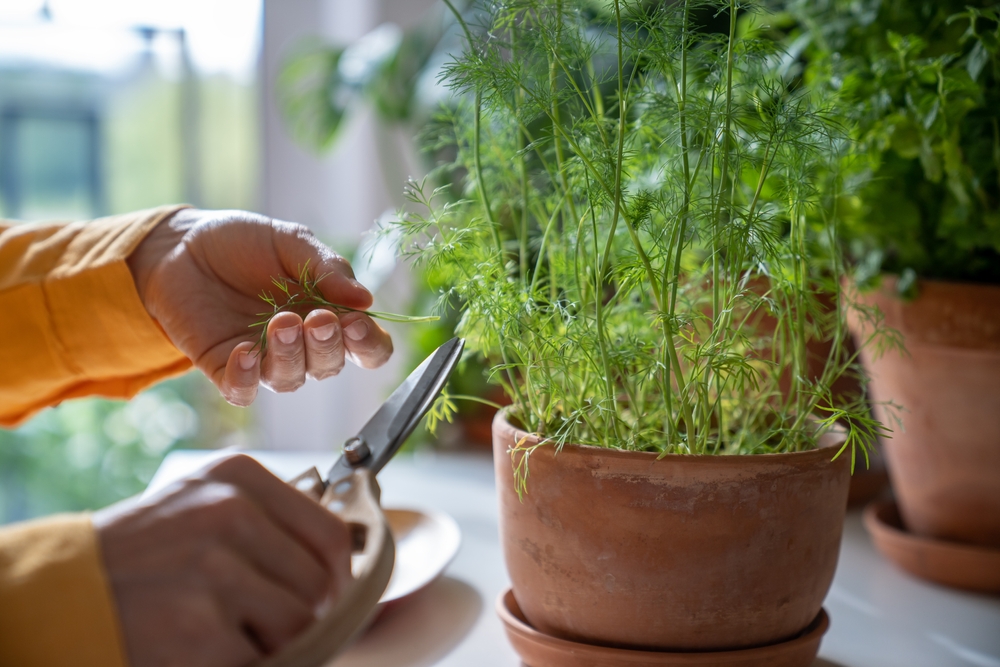
A stealth garden doesn’t just hide during growth; it stays discreet during harvest too, which requires a thoughtful routine that avoids sudden changes or noticeable activity. Regular, small harvests keep plants productive while preventing the need for large, obvious cuts. Snipping herbs a little at a time encourages new growth and keeps plants looking full and healthy. This approach also ensures a steady supply of fresh ingredients without creating a visible “before and after” effect.
Storage plays a surprisingly important role in maintaining that low profile. Freshly harvested greens and herbs can go straight into airtight containers in the fridge, keeping them crisp and ready to use. Labeling and organizing these items makes them feel like part of a normal kitchen routine rather than something unusual. The goal is to integrate the garden into daily habits so seamlessly that it never stands out.
Consistency ties everything together, turning the stealth garden into a natural extension of the living space. Checking plants daily, adjusting light positions, and monitoring moisture levels become quick, quiet tasks that fit into any schedule. This steady rhythm keeps the system running smoothly without requiring major interventions. Over time, the process feels effortless, and the garden becomes an invisible but reliable source of fresh food.
The Quiet Revolution Happening in Your Living Room
A stealth garden doesn’t demand attention, but it changes everything about how food fits into daily life. Fresh ingredients stop feeling like something that requires a trip to the store and start becoming part of the environment itself. That shift creates a sense of independence and control that feels both practical and satisfying. The space remains clean, stylish, and functional, while quietly producing something valuable every single day.
What would a hidden garden look like in your space, and what would you grow first if no one else even noticed it was there? Share your ideas, strategies, or even your dream setup in the comments.
You May Also Like…
How to Start Seeds Indoors on a Tight Budget Without Wasting Money
Plants You Can Still Start Indoors for Free
Experts Say These Indoor Greenhouses Are Failing Seedlings in Cold Snaps
7 Mistakes That Make Indoor Herbs Weak and Leggy
Indoor Gardening Is Booming in 2026—But These 4 Common Setups Are Wasting Your Money

Brandon Marcus is a staff writer for FrugalGardening.com at District Media, Inc., where he delivers practical gardening advice with a relatable, no-nonsense style. An avid amateur gardener, he holds a BA degree and with over ten years of professional writing experience, he is also an award-winning published author whose first book, Questions For Deep Thinkers, was released by Adams Media. His work has appeared in major publications including Fandom.com, CHUD.com, TheColdWire.com, and Fansided.com.
Leave a Reply