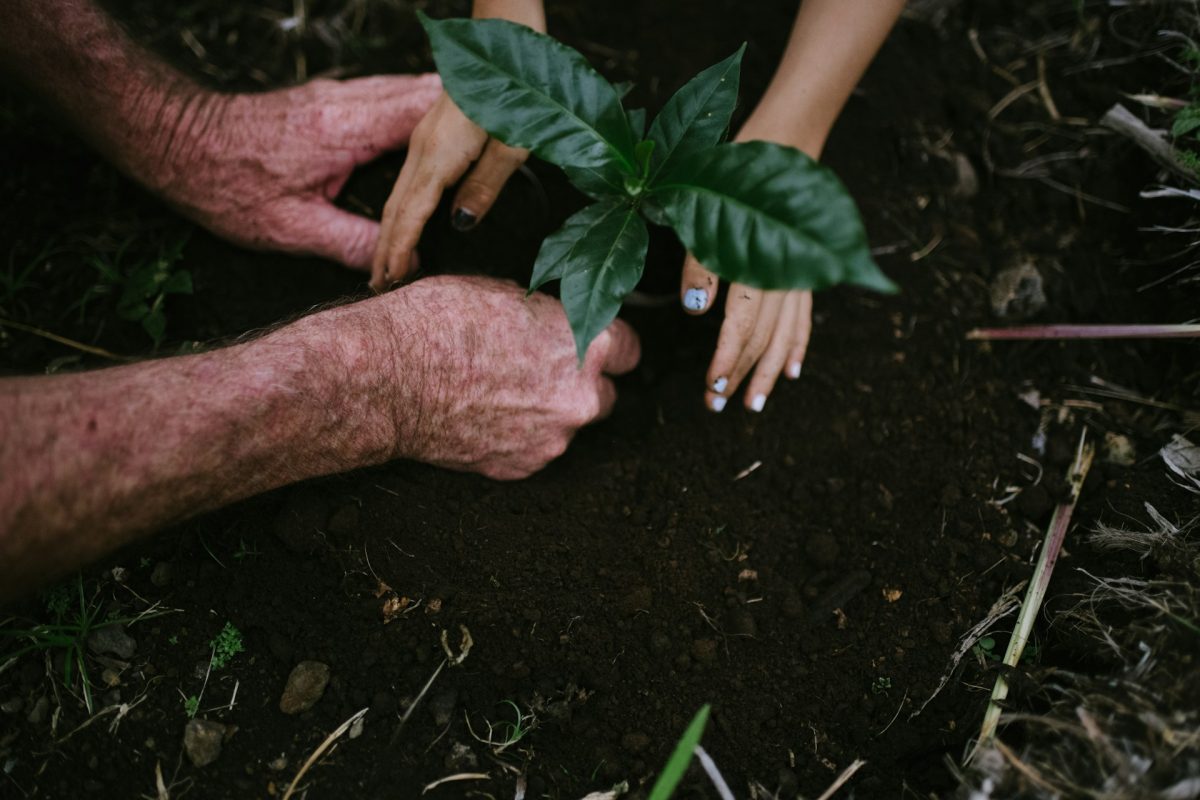
A garden doesn’t fail loudly. It stalls, struggles, and quietly refuses to thrive while everything looks “almost right.” That frustrating middle ground often starts with one simple decision: planting too early. The urge to get seeds in the ground the second winter loosens its grip feels powerful, especially when the sun sticks around longer and garden centers burst back to life. But timing isn’t just a detail in gardening. Timing runs the whole show.
Early planting sounds like a head start, but it often turns into a setback that ripples through the entire growing season. Cold soil, surprise frosts, and sluggish plant growth don’t just slow things down—they create weak, stressed plants that never quite catch up. A garden thrives on rhythm, not impatience, and jumping the gun throws everything off balance. Getting that timing right separates a garden that merely survives from one that absolutely explodes with life.
The Soil Isn’t Ready—Even If the Weather Feels Perfect
Warm sunshine tricks people into thinking the ground has caught up, but soil moves on its own schedule. Air temperature can swing dramatically from one day to the next, while soil temperature lags behind and stays stubbornly cold long after winter fades. Seeds rely on consistent warmth beneath the surface, not a few pleasant afternoons above it. When seeds land in cold soil, they don’t spring into action—they sit, wait, and often rot before they ever get the chance to grow.
Cool soil slows down germination to a crawl, which leaves seeds vulnerable to fungi and pests that love damp, inactive conditions. Instead of quick, healthy sprouting, gardeners end up with patchy rows and disappointing gaps where plants should be thriving. Even hardy crops struggle when the soil hasn’t reached the right temperature range, because roots need warmth to absorb nutrients effectively. Without that foundation, plants grow weak and uneven, which leads to more problems down the line.
Checking soil temperature takes guesswork out of the process and replaces it with real confidence. A simple soil thermometer gives a clear answer, and most vegetables have ideal temperature ranges for germination. Waiting until soil consistently meets those conditions doesn’t delay success—it guarantees it. Strong starts create resilient plants, and resilient plants produce better harvests. That patience at the beginning pays off in ways that rushed planting never can.
Frost Doesn’t Forget About Your Garden
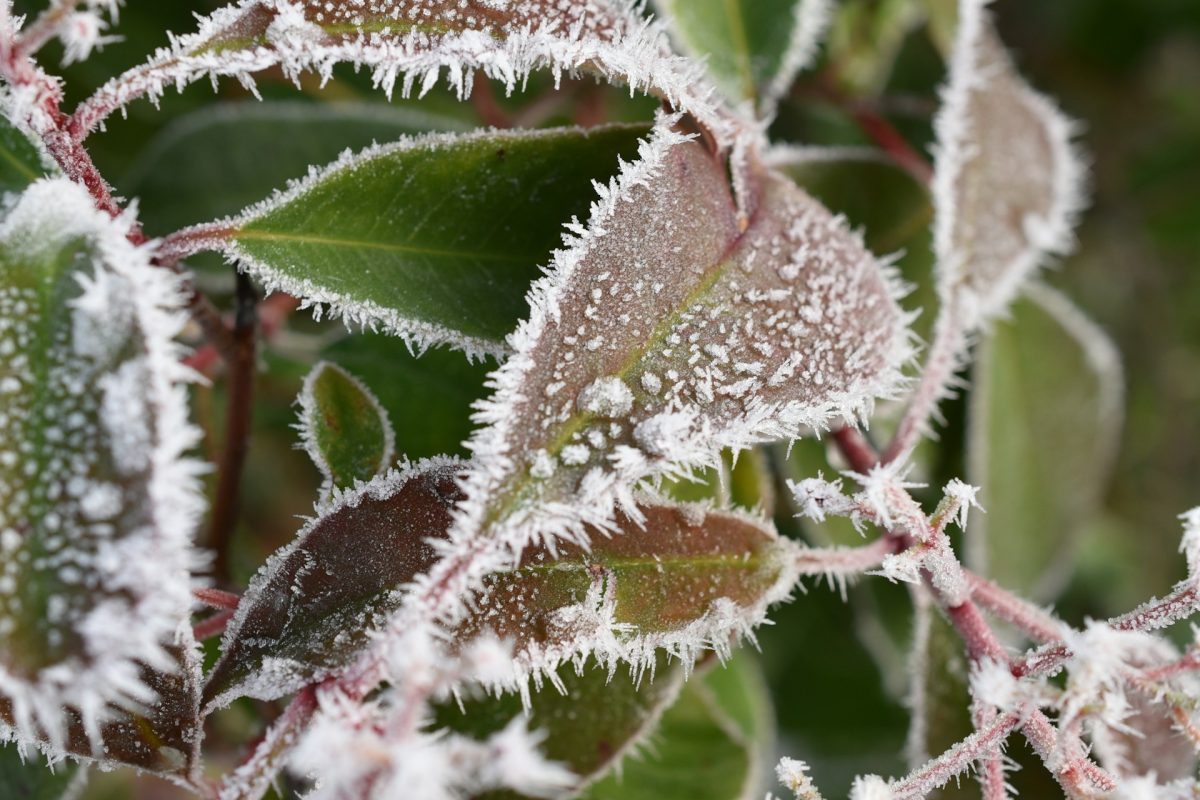
Spring loves to play tricks, and frost often makes a dramatic return just when everything looks safe. Early planting puts tender plants directly in the path of those late cold snaps, and frost doesn’t show mercy. It damages cell structures in plants, leaving behind blackened leaves, wilted stems, and growth that never fully recovers. Even a light frost can stress plants enough to stunt them for weeks.
Many vegetables, especially warm-season crops like tomatoes and peppers, react badly to even mild cold exposure. They don’t just pause growth—they fall behind permanently compared to plants that start in proper conditions. That early stress reduces yields, delays fruiting, and creates plants that never reach their full potential. A garden might still produce something, but it won’t deliver the abundance that careful timing could have achieved.
Protective measures like row covers and cloches help in a pinch, but they don’t replace proper timing. Constantly scrambling to shield plants from unpredictable weather turns gardening into a stressful guessing game. Waiting until the risk of frost has truly passed removes that pressure and allows plants to grow without interruption. A calm, steady start always beats a frantic rescue mission.
Slow Growth Leads to Weak Plants
Plants that start in poor conditions rarely bounce back fully, even if the weather improves later. Early planting forces seedlings to grow in cold, inconsistent environments, which leads to spindly stems and shallow root systems. Instead of building strength, plants spend their energy just trying to survive. That survival mode creates fragile growth that struggles to support future development.
Strong plants need steady conditions to build thick stems, deep roots, and healthy leaves. When those elements fall into place early, plants handle stress better, resist pests more effectively, and produce more robust yields. Weak plants, on the other hand, attract problems. Pests target stressed plants first, and diseases spread more easily when plants lack vigor.
Spacing also becomes an issue when early growth turns uneven. Some plants emerge while others fail, leading to inconsistent rows and wasted garden space. Replanting takes extra time and effort, and it often pushes the growing timeline even further behind. Starting at the right moment eliminates those complications and sets up a garden that looks full, balanced, and thriving from the beginning.
The Calendar Matters Less Than Conditions
Marking a planting date on a calendar feels organized, but nature doesn’t follow human schedules. Seasonal shifts vary from year to year, and relying on fixed dates leads to costly mistakes. One spring might warm up early, while another lingers with cold nights and stubborn frost. Successful gardening depends on reading conditions, not flipping pages.
Experienced gardeners watch for signals like soil temperature, nighttime lows, and consistent weather patterns before planting anything. They pay attention to frost dates as guidelines rather than guarantees, and they stay flexible when conditions don’t cooperate. That adaptability makes a huge difference in long-term success.
Local planting charts offer a helpful starting point, but they should always work alongside real-time observations. A garden thrives when decisions reflect what’s actually happening outdoors, not what a calendar suggests should be happening. Waiting for the right conditions might feel like a delay, but it actually keeps everything on track. Precision beats impatience every single time.
Smarter Timing Creates Bigger, Better Harvests
Waiting to plant doesn’t mean sacrificing productivity—it actually boosts it. Crops planted at the right time grow faster, establish themselves more easily, and produce higher yields. They don’t waste energy fighting unfavorable conditions, so they channel all that energy into healthy development and fruit production.
Succession planting offers another smart strategy that rewards patience. Instead of planting everything at once, staggering crops over time creates continuous harvests and reduces risk. If one batch struggles, another can take its place under better conditions. That approach keeps a garden productive and dynamic throughout the season.
Gardeners can also take advantage of indoor seed starting to get a controlled head start without exposing plants to outdoor risks. Starting seeds indoors under proper light and warmth creates strong seedlings that transition smoothly once conditions improve outside. That method delivers the best of both worlds—early growth without early damage. Smart timing doesn’t hold a garden back. It launches it forward.
Patience Beats Panic Every Time
A thriving garden doesn’t come from rushing—it comes from understanding timing and respecting the process. Early planting might feel productive, but it often leads to setbacks that ripple through the entire season. Strong soil, stable temperatures, and frost-free conditions create the foundation that every successful garden needs. Skipping that foundation never ends well.
What strategies help time planting just right, and what lessons have shaped your approach to the season? Share your thoughts, ideas, or even hard-learned mistakes in the comments.
You May Also Like…
Planting Depth Errors That Prevent Roots From Developing Properly
5 Cheap Garden Path Ideas That Improve Access and Drainage
The Safe Way to Use Coffee Grounds Without Damaging Plants
6 DIY Trellis Designs That Support Plants Without Breaking Your Budget
Why January Is Ideal for Planning Companion Planting

Brandon Marcus is a staff writer for FrugalGardening.com at District Media, Inc., where he delivers practical gardening advice with a relatable, no-nonsense style. An avid amateur gardener, he holds a BA degree and with over ten years of professional writing experience, he is also an award-winning published author whose first book, Questions For Deep Thinkers, was released by Adams Media. His work has appeared in major publications including Fandom.com, CHUD.com, TheColdWire.com, and Fansided.com.
Leave a Reply