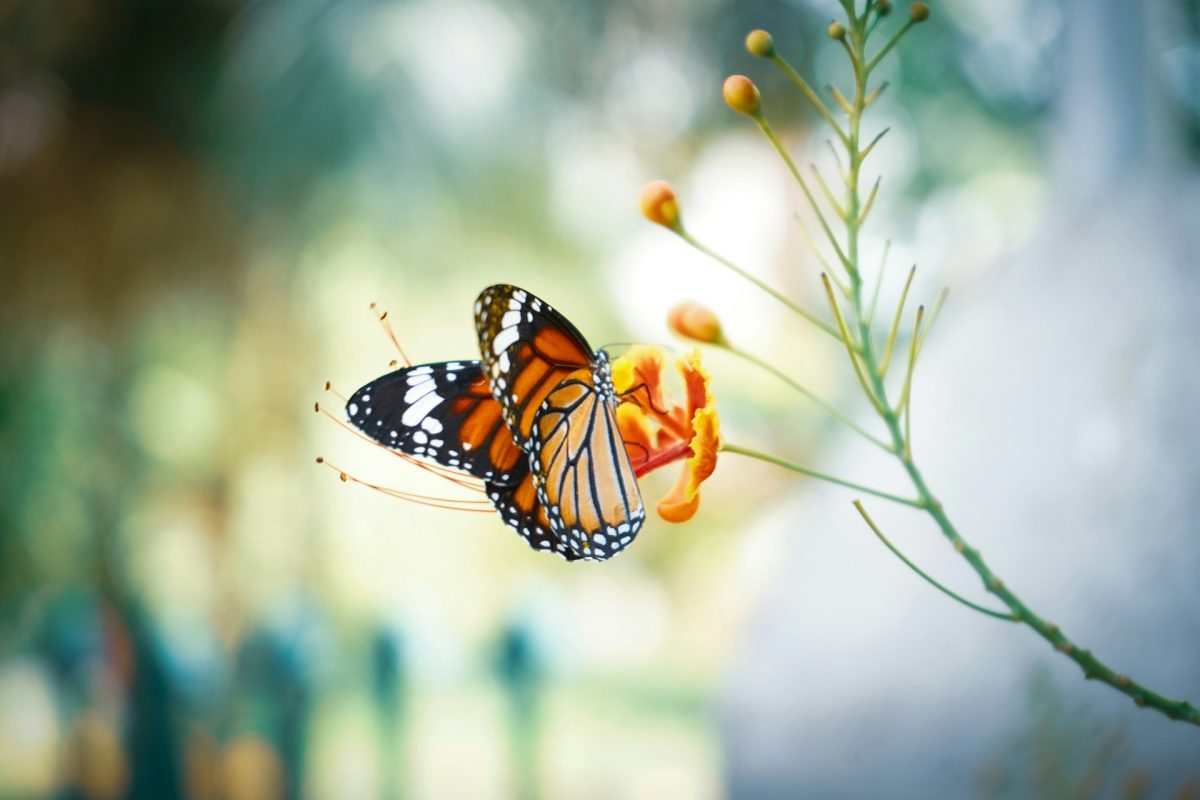
A yard does not need a massive budget to become a butterfly hotspot. Bright wings, delicate fluttering, and those quick bursts of color can show up without a single trip to the garden center. Nature already hands out the tools; it just asks for a little attention, a bit of patience, and some smart choices. Skip the expensive kits and complicated plans, because butterflies respond to simple, thoughtful environments that feel natural and safe.
Color, sunlight, and shelter drive everything in a butterfly’s world, and those elements often sit right outside waiting for a little rearranging. A patch of weeds, a forgotten corner of the yard, or even a few overripe fruits can transform into a butterfly magnet with the right approach. .
1. Let the “Weeds” Win Sometimes
A perfectly manicured lawn might look tidy, but butterflies do not care about tidy. They chase nectar, lay eggs, and search for host plants that support their life cycle, and many of those plants get labeled as weeds far too quickly. Dandelions, clover, and wild violets all provide valuable nectar sources, especially early in the season when other flowers have not bloomed yet. Instead of pulling every unwanted plant, allow a small section of the yard to grow freely and watch how quickly it attracts activity. This approach supports not only butterflies but also bees and other pollinators that rely on these overlooked plants.
That patch of “messy” growth creates a mini ecosystem that butterflies trust because it mirrors their natural habitat. Caterpillars depend on specific plants to survive, so removing those plants eliminates the next generation before it even begins. Nettles, milkweed, and even certain grasses act as crucial host plants for different butterfly species. Leaving them alone invites butterflies to stick around instead of just passing through. A yard that embraces a little chaos often ends up buzzing with life, color, and movement.
Resist the urge to clean everything up at once, especially during peak growing seasons. Butterflies need time and stability to settle in, and constant trimming disrupts their habitat. Choose a corner, commit to letting it grow, and observe what shows up over time. That one decision alone can make a dramatic difference without costing anything.
2. Sunlight Is the Real VIP
Butterflies do not function well in the shade, and they rely heavily on sunlight to regulate their body temperature. A warm, sunny spot acts like a magnet, pulling them in and encouraging them to linger longer. Instead of planting new flowers, take a look at how sunlight moves across the yard throughout the day. Identify the brightest areas and focus efforts there by clearing clutter or trimming back overhanging branches that block the light.
A simple rearrangement can transform a dull space into a butterfly-friendly zone. Move existing potted plants into sunnier locations, or shift outdoor furniture that casts long shadows. Butterflies prefer open, warm spaces where they can bask comfortably while feeding. Even a small patch of direct sunlight can become a hotspot if it offers both warmth and access to nectar sources.
Sunlight also enhances the visibility of flowers, which plays a key role in attracting butterflies. Bright, sunlit colors stand out more clearly and draw attention from a distance. By maximizing natural light, the yard becomes more inviting without adding anything new. It all comes down to using what already exists in a smarter way.
3. Overripe Fruit: Nature’s Sweet Trap
Fresh flowers get all the attention, but butterflies love something a little more unexpected. Overripe fruit provides an irresistible source of sugars, and it often works even better than nectar for certain species. Bananas, oranges, berries, and even slightly mushy apples can become a buffet when placed in a shallow dish or directly on a flat surface. Instead of tossing fruit scraps, put them to work outside and watch what happens.
The scent of fermenting fruit travels quickly and attracts butterflies from surprising distances. This trick works especially well in late summer when butterflies search for extra energy before migration or reproduction. Place the fruit in a sunny, sheltered area to keep it warm and appealing. Keep it away from high-traffic spots to avoid disturbing the feeding process.
Swap out the fruit regularly to keep things fresh enough to attract visitors without becoming unpleasant. This simple habit turns kitchen leftovers into a powerful attraction tool. It also creates a fascinating opportunity to observe different butterfly species up close as they gather and feed.
4. Skip the Chemicals Completely
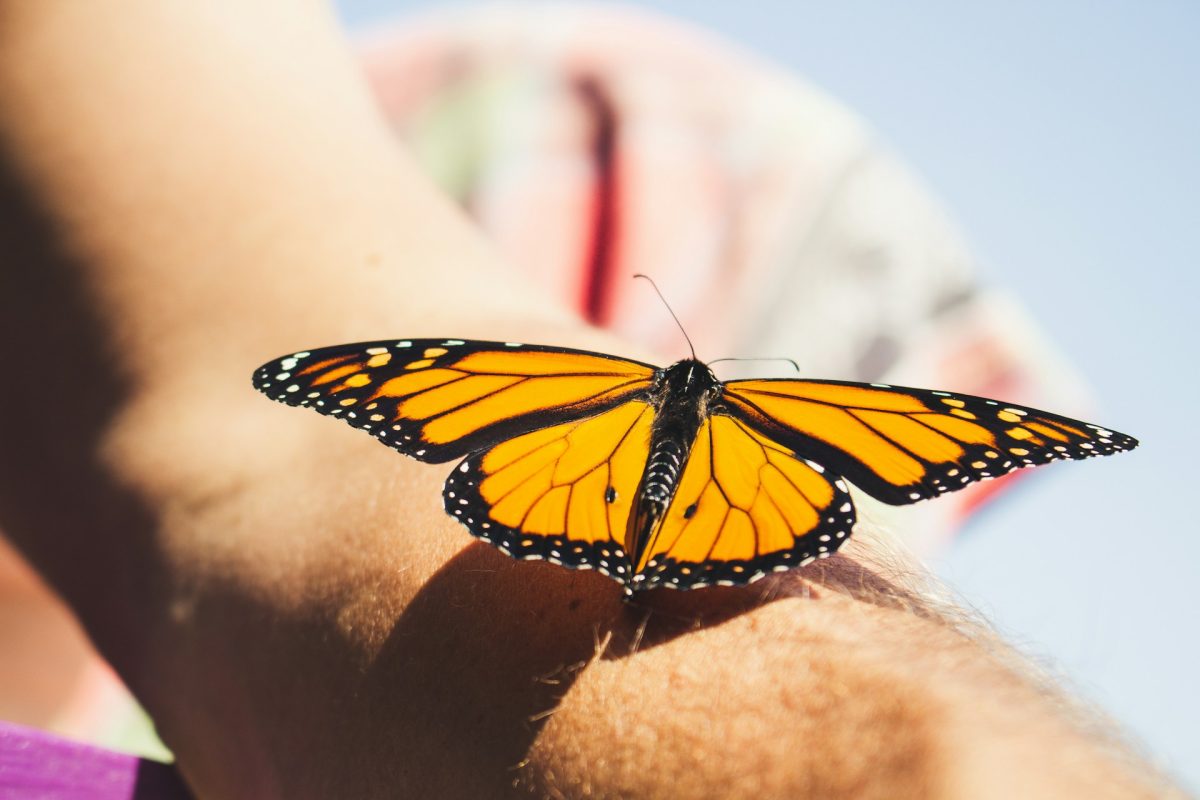
Butterflies do not negotiate with pesticides. Even small amounts can harm or kill them, along with the caterpillars that represent the next generation. A chemical-free yard immediately becomes more attractive and safer for butterflies to visit and stay. That means avoiding insect sprays, herbicides, and even certain fertilizers that can disrupt the ecosystem.
Natural balance plays a much bigger role than most people expect. Birds, beneficial insects, and even spiders help control pest populations without wiping out everything in sight. When chemicals disappear, that balance has a chance to stabilize, and butterflies benefit from the healthier environment. Plants grow more naturally, and pollinators feel safer exploring the space.
Focus on tolerance instead of perfection. A few chewed leaves or minor plant damage signals a living, functioning ecosystem rather than a problem that needs fixing. Butterflies thrive in environments that feel real and undisturbed, not sanitized and controlled. That shift in mindset costs nothing and delivers noticeable results.
5. Water Sources That Actually Work
Butterflies need water, but they do not drink from deep birdbaths or large containers. They prefer shallow, damp areas where they can safely land and sip moisture. A simple “puddling station” does the trick, and it requires almost no effort to create. Use a shallow dish, add some sand or soil, and keep it slightly moist to provide a safe drinking spot.
This setup mimics natural puddles that butterflies seek out in the wild. Minerals in the soil add extra nutrients that butterflies need, especially males. Place the station in a sunny area to keep it warm and inviting. Keep the water level low to prevent any risk of drowning. Even a small muddy patch in the yard can serve the same purpose. Instead of draining or covering it, let it remain and watch how quickly butterflies take advantage of it. These tiny water sources often become one of the most active spots in a butterfly-friendly yard.
6. Shelter Matters More Than You Think
Butterflies face constant threats from wind, predators, and sudden weather changes. A yard that offers shelter feels safer and more appealing, which encourages butterflies to stay longer. Dense shrubs, tall grasses, and even stacked branches can provide protection without any cost. Look around and use natural materials already available instead of buying anything new.
Windbreaks play a big role in creating a comfortable environment. Fences, hedges, or even a row of taller plants can reduce strong gusts that make it difficult for butterflies to fly and feed. A calm space allows them to move more freely and spend more time in the area.
Shelter also supports the entire butterfly life cycle, not just the adult stage. Caterpillars need safe places to grow, and chrysalises require stable, protected spots to develop. By creating a layered environment with different heights and textures, the yard becomes a full-service habitat rather than just a quick stop.
For Butterflies, Consistency Beats Perfection
Butterflies do not need perfection, but they do need consistency. A yard that offers steady access to food, sunlight, water, and shelter will always outperform one that changes too often. Small, simple habits build a reliable environment that butterflies learn to trust over time. Leaving certain plants alone, maintaining a shallow water source, and avoiding chemicals all contribute to that sense of stability.
What small change feels easiest to try first, and what kind of butterflies would make that effort feel worth it? Share ideas, strategies, or even a favorite butterfly sighting in the comments.
You May Also Like…
March Bugs That Target Tender New Leaves
The Unexpected Insect That Devours New Leaves Before You Notice Damage
This “Pollinator-Friendly” Plant Is Now on the Invasive Species Watchlist
12 Of The Worst Garden Pests And How To Get Rid Of Them
This “Cheap Pollinator Trick” Is Backfiring — What Homeowners Should Do Instead

Brandon Marcus is a staff writer for FrugalGardening.com at District Media, Inc., where he delivers practical gardening advice with a relatable, no-nonsense style. An avid amateur gardener, he holds a BA degree and with over ten years of professional writing experience, he is also an award-winning published author whose first book, Questions For Deep Thinkers, was released by Adams Media. His work has appeared in major publications including Fandom.com, CHUD.com, TheColdWire.com, and Fansided.com.
Leave a Reply