A weak seedling rarely survives the real world. One day, it looks bright and hopeful under gentle indoor lighting, and the next day, it collapses outside like a marathon runner who forgot to train. Gardening success often hinges on this fragile stage of plant life, yet store shelves overflow with expensive gadgets that promise to create perfect seedlings.
Fans, fertilizers, growth tonics, and specialized lights crowd catalogs and websites, each one claiming to hold the secret. In reality, healthy seedlings rely on a few simple forces that nature has perfected for millions of years. Air movement, strong light, proper watering, and patience shape sturdy plants far better than most products ever could. A gardener who understands these natural forces gains a huge advantage before seedlings ever reach the garden. Strong plants begin with smart habits, not expensive tools.
Give Seedlings a Gentle Workout With Moving Air
Still air creates fragile plants. Seedlings that grow in a calm, unmoving environment stretch upward quickly, producing thin stems that bend at the slightest disturbance. In nature, wind constantly nudges young plants, forcing them to strengthen their stems in response. This natural stress triggers stronger cell growth that produces thicker, sturdier stems capable of supporting healthy leaves.
A simple household fan can recreate that natural breeze indoors without spending money on specialty equipment. Set the fan on a low setting and allow the air to drift across seedlings for several hours each day. The airflow should cause a slight sway rather than a dramatic bend. That gentle movement encourages seedlings to reinforce their stems just like outdoor plants do. Within days, stems begin to thicken and plants develop a sturdier structure that handles outdoor life much more easily.
Gardeners can also mimic wind with something even simpler than a fan. A light brushing of the hand across the tops of seedlings once or twice a day encourages the same strengthening response. Plants react quickly to this kind of movement because it activates natural growth hormones inside the stem. A small daily disturbance might look trivial, yet it produces a dramatic improvement in seedling strength.
Bright Light Builds Tough Plants
Seedlings stretch desperately when they cannot find enough light. That stretching creates tall, pale plants that lean and eventually collapse under their own weight. Strong seedlings need intense light from the moment they break through the soil. Sunlight provides the best option whenever possible because it delivers a full spectrum of energy that plants use for steady growth.
A sunny window that faces south or west usually supplies the strongest natural light inside a home. Position seed trays close to the glass so plants receive as much brightness as possible throughout the day. Rotate the trays regularly so seedlings grow evenly instead of leaning toward one direction. That simple adjustment prevents crooked stems and encourages balanced development.
Master the Art of Watering Without Drowning Plants
Seedlings require moisture, but they absolutely despise soggy soil. Too much water suffocates roots by pushing oxygen out of the soil. Weak roots lead to weak plants, and overly wet soil often invites fungal diseases that destroy young seedlings overnight. Strong seedlings grow in soil that stays evenly moist but never saturated.
Watering from the bottom creates one of the best habits for seedling care. Place seed trays into a shallow container of water and allow the soil to absorb moisture through drainage holes. The soil pulls in exactly what it needs while the surface remains relatively dry. This method encourages roots to grow downward in search of water, creating a deeper and stronger root system.
Allow the soil surface to dry slightly between watering sessions. That short dry period encourages roots to expand in search of moisture rather than remaining shallow. Healthy roots anchor plants firmly and provide the nutrients required for steady growth. A simple watering routine often produces stronger seedlings than any bottle of fertilizer ever could.
Thin Seedlings Early and Without Mercy
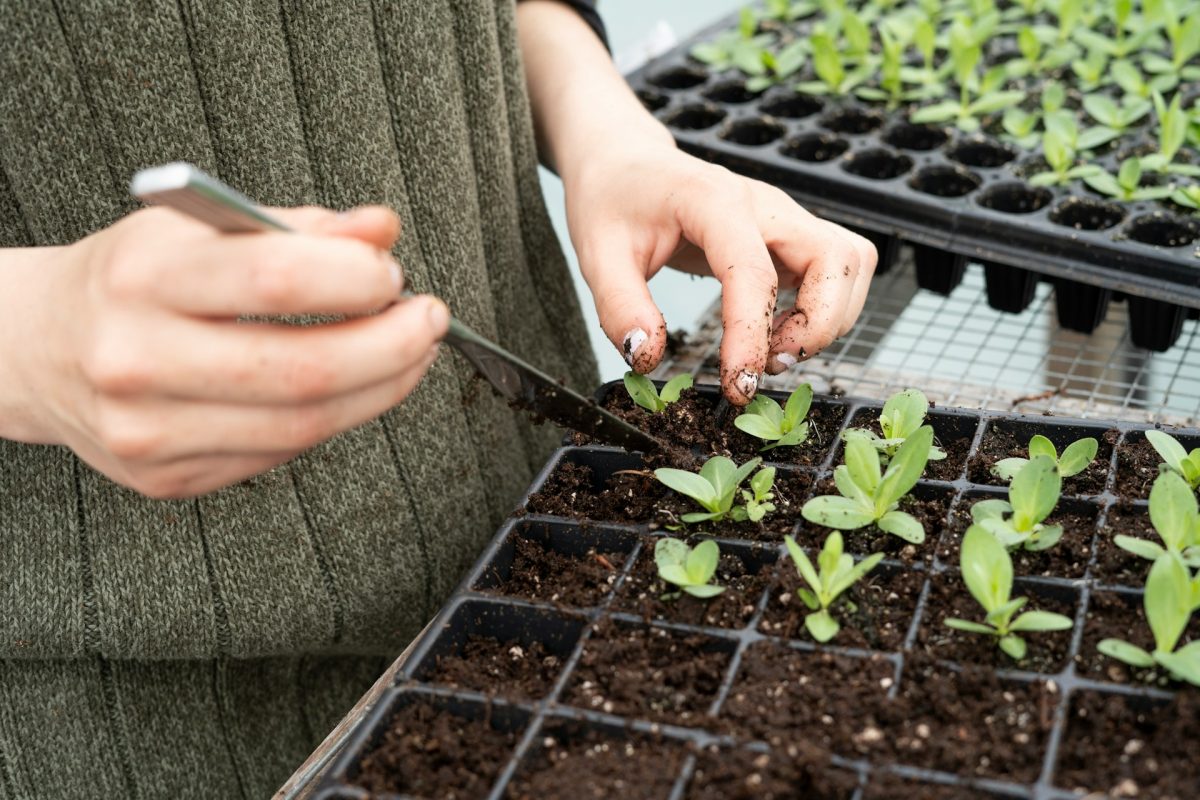
Seed packets often contain dozens or even hundreds of seeds, and enthusiastic planting sometimes leads to crowded trays packed with tiny sprouts. At first, those clusters of green look charming and full of promise. Unfortunately, overcrowding creates intense competition for light, water, and nutrients. Seedlings that grow shoulder to shoulder rarely develop strong stems or healthy root systems.
Thinning seedlings solves that problem quickly. Remove weaker plants and leave only the strongest individuals in each container. This step might feel ruthless, but it gives the remaining seedlings room to grow properly. Each plant receives better airflow, stronger light exposure, and access to nutrients without constant competition.
A pair of small scissors works perfectly for this job. Snip unwanted seedlings at the soil surface instead of pulling them out, which can disturb nearby roots. The result looks sparse at first, yet the remaining plants will grow faster and stronger with the extra space. Healthy spacing often transforms weak sprouts into vigorous young plants ready for the garden.
Let Seedlings Experience the Real World Gradually
Indoor conditions create a comfortable bubble for young plants. Stable temperatures, steady moisture, and gentle light allow seedlings to grow quickly, but that sheltered life leaves them unprepared for outdoor challenges. Sunlight outside burns hotter, wind moves constantly, and temperature swings arrive without warning. Seedlings need time to adjust before they face those conditions full-time.
Gardeners call this adjustment process hardening off. Place seedlings outside for short periods each day so they gradually adapt to sunlight, wind, and temperature changes. Start with a shady, protected location for an hour or two before bringing the plants back inside. Increase the time outdoors each day while slowly introducing more sunlight.
Within a week or two, seedlings transform into much tougher plants capable of handling life in the garden. Leaves thicken, stems strengthen, and roots prepare for deeper soil. Skipping this step often leads to wilted plants and sunburned leaves. A gradual transition allows seedlings to build resilience naturally without relying on store-bought treatments.
Strong Plants Grow From Simple Habits
Healthy seedlings rarely come from a shopping cart full of specialized products. Strong plants grow from attention, patience, and a clear understanding of how nature shapes young growth. Air movement strengthens stems, bright light prevents stretching, careful watering builds healthy roots, and proper spacing allows plants to thrive. Each of these habits requires more observation than money.
A gardener who follows these principles creates seedlings that stand tall instead of collapsing at the first sign of outdoor life. These plants develop sturdy stems, balanced growth, and roots eager to explore real soil. When planting day finally arrives, the garden welcomes plants that already know how to survive and grow vigorously.
Which of these seedling-strengthening tricks has worked best in your own garden, and what methods would you add to the list? Share your tips and experiences in the comments so other gardeners can grow stronger plants this season.
You May Also Like…
How to Stop Birds From Digging Up Seeds
The Cheap Seed Starting Tray That’s Warping Roots and Killing Crops
How to Save Seeds Instead of Buying New Packets
The Real Reason Your Seedlings Keep Dying—And It’s Not the Cold
9 Late-Season Seedlings That Work in Cold Frames

Brandon Marcus is a staff writer for FrugalGardening.com at District Media, Inc., where he delivers practical gardening advice with a relatable, no-nonsense style. An avid amateur gardener, he holds a BA degree and with over ten years of professional writing experience, he is also an award-winning published author whose first book, Questions For Deep Thinkers, was released by Adams Media. His work has appeared in major publications including Fandom.com, CHUD.com, TheColdWire.com, and Fansided.com.
Leave a Reply