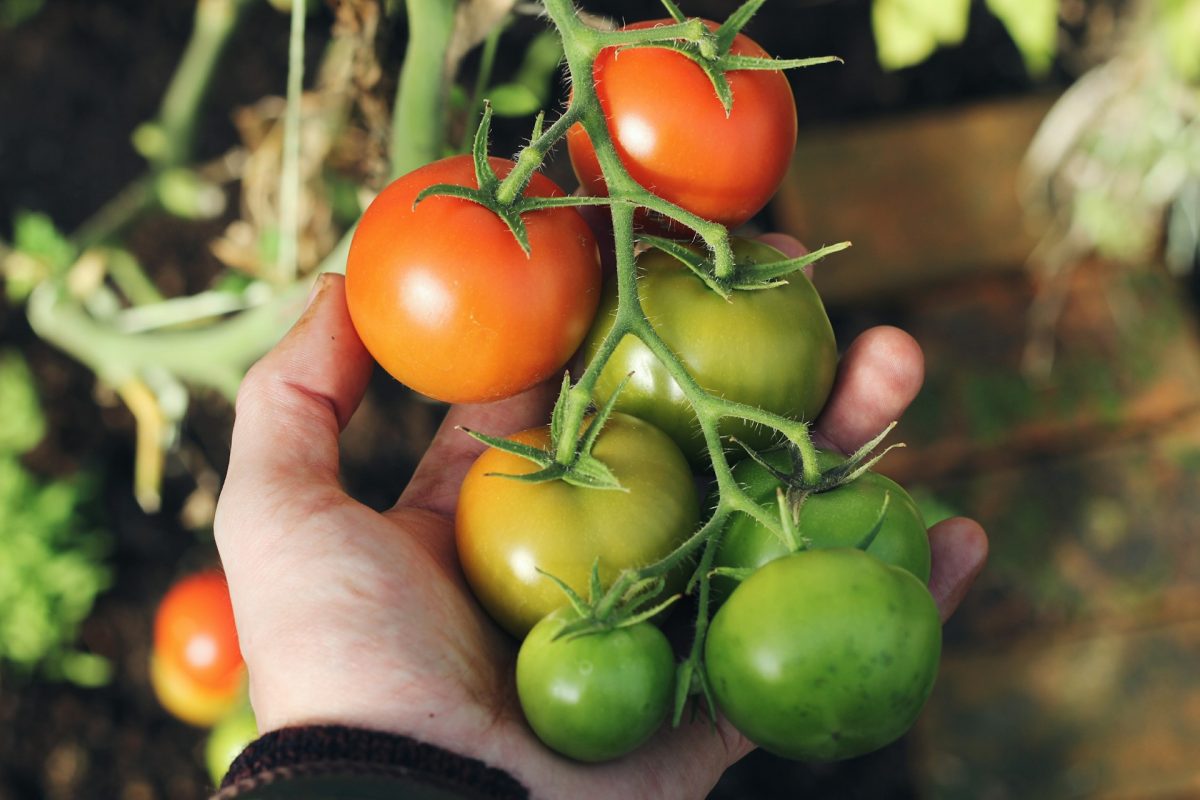
A tomato plant can cost you hundreds of dollars. Not because seeds are expensive or soil prices have exploded, but because in some cities, planting vegetables in your own front yard can trigger warnings, citations, and real fines. That reality surprises people who see gardening as wholesome, sustainable, and even patriotic. Yet across the United States, local governments and homeowners associations continue to clash with residents who want to turn decorative lawns into productive gardens.
This fight over front yard vegetables taps into something bigger than landscaping. It raises questions about property rights, community standards, food access, and what neighborhoods should look like in the first place.
When Your Tomato Plant Breaks the Rules
Cities don’t typically outlaw vegetables outright. Instead, they enforce zoning ordinances and property maintenance codes that regulate how front yards must look and function. Many local laws require front yards to maintain “ornamental” landscaping or restrict the types of plants allowed in certain zones. Officials often justify those rules by arguing that consistent landscaping protects property values and preserves neighborhood character.
The conflict becomes real when someone replaces a manicured lawn with raised beds, trellises, or rows of lettuce. If local code defines front yard landscaping as decorative rather than agricultural, inspectors may issue a violation. In some places, residents have received fines for growing vegetables in front yards because city officials classified those gardens as non-permitted uses.
It’s Not Just the City—HOAs Play a Big Role
Even when a city permits front yard gardens, a homeowners association can create an entirely different obstacle. HOAs operate under private covenants that homeowners agree to follow when they purchase property. Those agreements often contain detailed landscaping rules that limit plant height, placement, and overall yard appearance.
An HOA board may decide that vegetable gardens clash with the aesthetic vision of the neighborhood. Some associations restrict gardens to backyards only. Others require raised beds to sit out of street view or demand that residents maintain a “neat and orderly” appearance that officials interpret narrowly.
Because HOA rules stem from private contracts rather than municipal law, they can carry significant enforcement power. Associations can impose fines, place liens on properties, and pursue legal action if homeowners refuse to comply. That reality surprises people who assume their property automatically grants them full landscaping freedom.
The Property Values Argument—and the Pushback
City officials and HOA boards frequently defend restrictions by pointing to property values. They argue that consistent, manicured front yards create visual harmony and attract buyers. From their perspective, visible vegetable rows might signal neglect or commercial farming, even if the garden looks tidy and intentional.
Supporters of edible landscaping push back hard against that narrative. They argue that well-maintained vegetable gardens can look beautiful and contribute to sustainability, community resilience, and food access. Many urban planners now recognize the benefits of local food production, especially in areas where grocery options remain limited.
In some cities, leaders have started updating zoning codes to allow edible plants as part of residential landscaping. Urban agriculture movements have gained traction in some places, where officials have revised regulations to encourage food-growing within city limits. These policy changes reflect a broader cultural shift toward sustainability and self-sufficiency.
Food Security Meets Front Lawn Tradition
Front yard vegetable disputes often intensify during times of economic stress. When grocery prices rise or supply chains falter, more households turn to gardening to supplement their food budgets. That practical choice can clash with longstanding traditions that treat front lawns as decorative spaces rather than productive ones.
Lawmakers in several states have responded by introducing “right to garden” bills. These laws limit the power of local governments to prohibit food gardens on residential property. Those protections don’t eliminate every restriction. Cities can still enforce rules about height limits, visibility at intersections, pest control, and maintenance standards. Officials often cite public health and safety when they step in. If a garden obstructs sightlines for drivers or attracts rodents because of poor upkeep, code enforcement may follow.
How to Grow Food Without Growing Fines
Anyone considering a front yard vegetable garden should start with research, not seedlings. First, review local zoning ordinances on your city’s official website. Look for sections on residential landscaping, accessory uses, and urban agriculture. If language feels vague, contact the planning department directly and request clarification in writing.
Next, check for HOA rules if your property falls under one. Covenants and architectural guidelines often specify what front yards can include. Some associations allow edible plants if they blend into ornamental landscaping, which opens the door to creative designs.
Design matters more than many people realize. Incorporating vegetables into structured beds with clean borders, mulch, and thoughtful spacing can help a garden look intentional rather than chaotic. Mixing herbs and leafy greens with flowering plants can soften the appearance and satisfy aesthetic concerns. Keeping everything trimmed, weed-free, and well-maintained reduces the risk of complaints.
It also helps to build goodwill. Talking with neighbors before planting can prevent misunderstandings. When people see that a garden looks tidy and purposeful, they often respond more positively.
What This Fight Really Says About Our Neighborhoods
Front yard vegetable fines may sound like small-town drama, but they reveal how communities define shared space and individual freedom. Lawns became a suburban symbol over decades, shaped by cultural expectations and local codes. Vegetable gardens challenge that tradition by prioritizing function over uniformity.
Cities face real questions about aesthetics, safety, and long-term planning. Homeowners seek autonomy and practical ways to feed their families. Both sides bring legitimate concerns to the table, which explains why this issue keeps resurfacing across the country.
Should neighborhoods protect a uniform look at all costs, or should they make room for rows of peppers and lettuce that put food on the table? Our comments section is the place to discuss it.
You May Also Like…
Why Some Cities Are Cracking Down on Front Yard Vegetable Gardens Again
7 Vegetables That Perform Better in Cooler Starts
6 Vegetables That Don’t Benefit From Expensive Soil Additives
9 Vegetables You Should Still Plant in October
The Garden Features That Could Increase Your Home’s Value for Under $50

Brandon Marcus is a staff writer for FrugalGardening.com at District Media, Inc., where he delivers practical gardening advice with a relatable, no-nonsense style. An avid amateur gardener, he holds a BA degree and with over ten years of professional writing experience, he is also an award-winning published author whose first book, Questions For Deep Thinkers, was released by Adams Media. His work has appeared in major publications including Fandom.com, CHUD.com, TheColdWire.com, and Fansided.com.
Leave a Reply