Not every home is flooded with sunshine, and honestly, that shouldn’t disqualify you from having a lush, living, breathing indoor jungle. Low light doesn’t mean no style, no greenery, and definitely no boring corners. Some of the toughest, most beautiful houseplants on the planet actually prefer softer lighting and calmer spaces, thriving where other plants dramatically give up.
These are the plants that quietly show up, look good year-round, and don’t demand constant attention or prime window placement. If you’re working with dim rooms, shaded apartments, or moody interiors, these eight houseplants prove you can still have serious plant energy without chasing the sun.
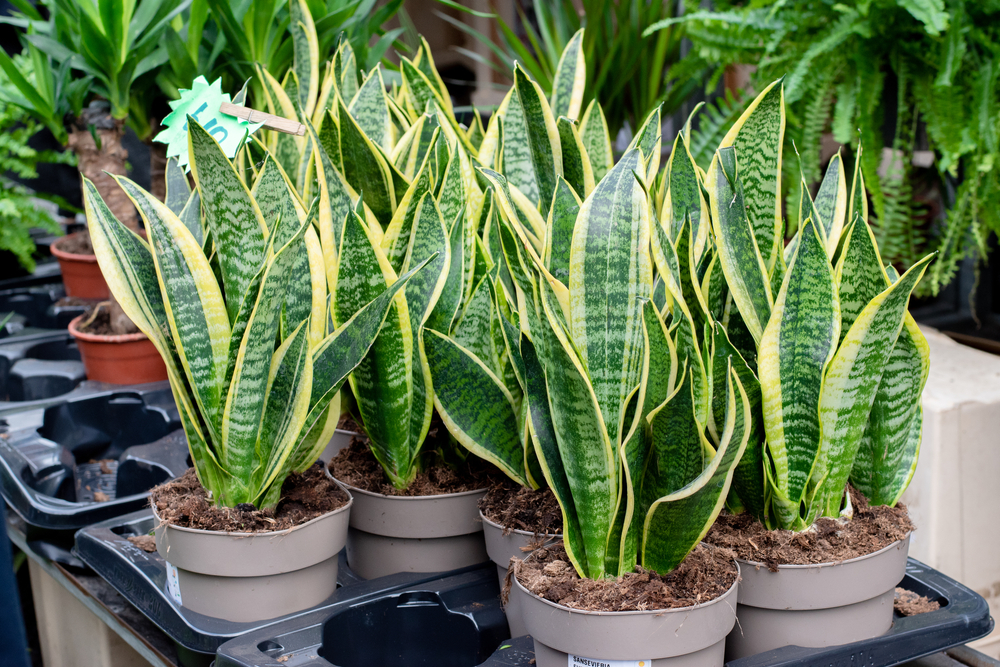
1. The Snake Plant – The Unbothered Legend
The snake plant is the definition of low-light confidence. Its tall, structured leaves look like modern art, and it thrives in lighting conditions that would make most plants spiral into an existential crisis. It tolerates shade, fluorescent lighting, and indirect light like a champ, making it perfect for offices, bedrooms, and darker corners.
On top of that, it barely needs watering and actually prefers being left alone, which makes it ideal for busy people or forgetful plant parents. If you want something architectural, tough, and stylish that won’t guilt-trip you for missing a watering day, this is your plant.
2. ZZ Plant – The Glossy Survivor
The ZZ plant looks fancy, polished, and high-maintenance, but it’s secretly one of the easiest plants you’ll ever own. Its thick, waxy leaves store water, allowing it to survive low light and irregular watering without stress. It grows slowly, stays compact, and handles dim spaces with quiet resilience.
This is the plant you put in rooms where sunlight barely visits, and somehow it still looks glossy and healthy year-round. If your goal is low effort with high visual payoff, the ZZ plant delivers every time.
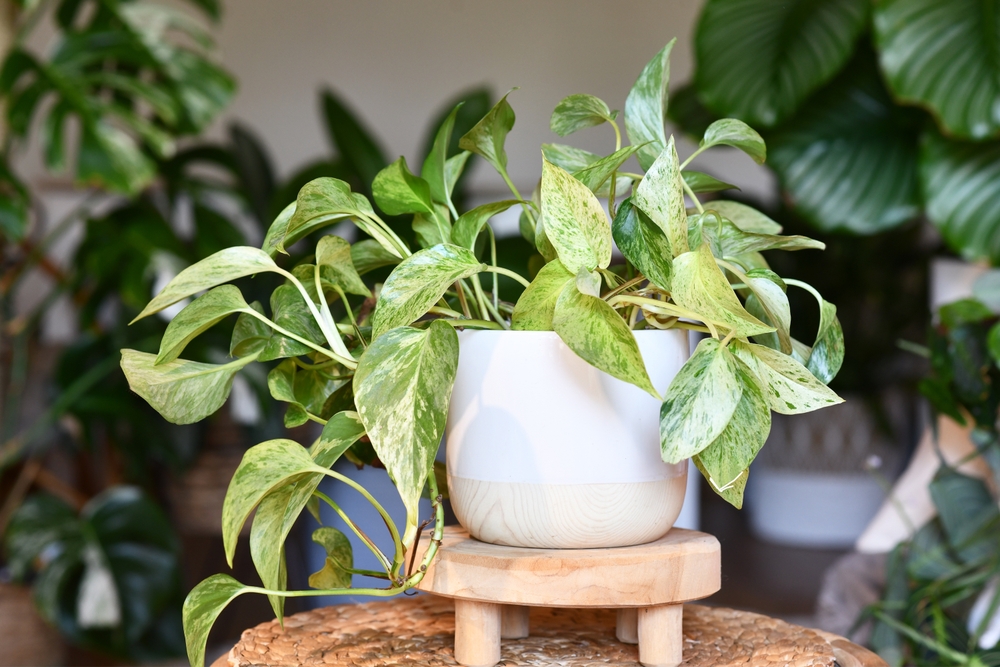
3. Pothos – The Casual Climber
Pothos is that effortlessly cool plant that looks good anywhere and adapts to almost anything. It handles low light surprisingly well, even though brighter indirect light helps it grow faster and fuller. The trailing vines soften shelves, bookcases, and walls, creating that relaxed, cozy atmosphere people love in home decor.
It’s also forgiving with watering and incredibly easy to propagate, which means one plant can turn into many. If you want greenery that grows with you and doesn’t demand perfection, pothos is a smart choice.
4. Cast Iron Plant – The Name Says It All
The cast iron plant didn’t get its name by accident. It’s incredibly durable, slow-growing, and completely unfazed by low light, poor lighting conditions, and neglect. Its deep green leaves bring a classic, timeless look that works in both modern and traditional spaces.
This plant thrives in shade and indirect light, making it perfect for hallways, corners, and rooms with small windows. It’s the kind of plant you buy once and keep for years without drama, stress, or complicated care routines.
5. Peace Lily – The Soft and Serene Statement
Peace lilies bring elegance into low-light spaces with their graceful leaves and signature white blooms. While they bloom more in brighter indirect light, they still grow beautifully in lower-light conditions.
They’re also great at letting you know when they need water, drooping dramatically before bouncing back once hydrated. This makes them oddly satisfying to care for and surprisingly beginner-friendly. If you want something that feels calm, fresh, and a little luxurious, a peace lily adds instant atmosphere.
6. Chinese Evergreen – The Colorful Low-Light Lover
Chinese evergreen plants prove that low light doesn’t have to mean boring green. Their patterned leaves come in beautiful mixes of silver, cream, and soft greens that brighten darker rooms. They tolerate shade, grow steadily, and adapt easily to indoor environments.
This is a superb plant for bedrooms, offices, and apartments where sunlight is limited but style expectations are not. It’s low-maintenance, visually interesting, and incredibly reliable.
7. Parlor Palm – The Gentle Classic
Parlor palms have been indoor favorites for generations, and there’s a good reason for it. They thrive in low to medium light, grow slowly, and add a soft, airy feel to any room.
Unlike some palms that demand bright light and high humidity, this one stays calm and manageable indoors. It works beautifully in corners, near furniture, or as a subtle statement plant. If you love the idea of tropical energy without tropical effort, the parlor palm fits the vibe perfectly.
8. Philodendron – The Adaptable Beauty
Philodendrons are incredibly versatile and handle low light better than most leafy plants. They come in climbing, trailing, and upright varieties, which gives you design flexibility depending on your space. Their heart-shaped leaves bring warmth and softness to rooms that feel dark or flat.
They’re forgiving with watering, adaptable to different environments, and easy to grow long-term. This is the kind of plant that evolves with your home and still looks good doing it.
Where Low Light Meets High Style
Low light spaces don’t need to feel empty, dull, or lifeless when the right plants are involved. With smart choices, you can turn shaded rooms into calm, green, welcoming spaces that feel intentional and alive. These plants aren’t just survivors, they’re performers that bring texture, structure, and personality into the darker corners of your home.
Which low-light plant are you adding to your space first? In our comments section, speak with other gardeners about the houseplants that thrive when they’re not under the spotlight.
You May Also Like…
These ‘Unkillable’ Houseplants Are Dying in Droves This Winter — Here’s Why
Pet Poison Helplines Issue Alert About a Popular Houseplant Mix
7 Red Flags That Signal Your Houseplants Are Screaming For Help
Experts Say This Winter Habit Is Causing Houseplants to Drop Leaves
7 Houseplants That Hate Dry Winter Heat and What to Do

Brandon Marcus is a staff writer for FrugalGardening.com at District Media, Inc., where he delivers practical gardening advice with a relatable, no-nonsense style. An avid amateur gardener, he holds a BA degree and with over ten years of professional writing experience, he is also an award-winning published author whose first book, Questions For Deep Thinkers, was released by Adams Media. His work has appeared in major publications including Fandom.com, CHUD.com, TheColdWire.com, and Fansided.com.
Leave a Reply