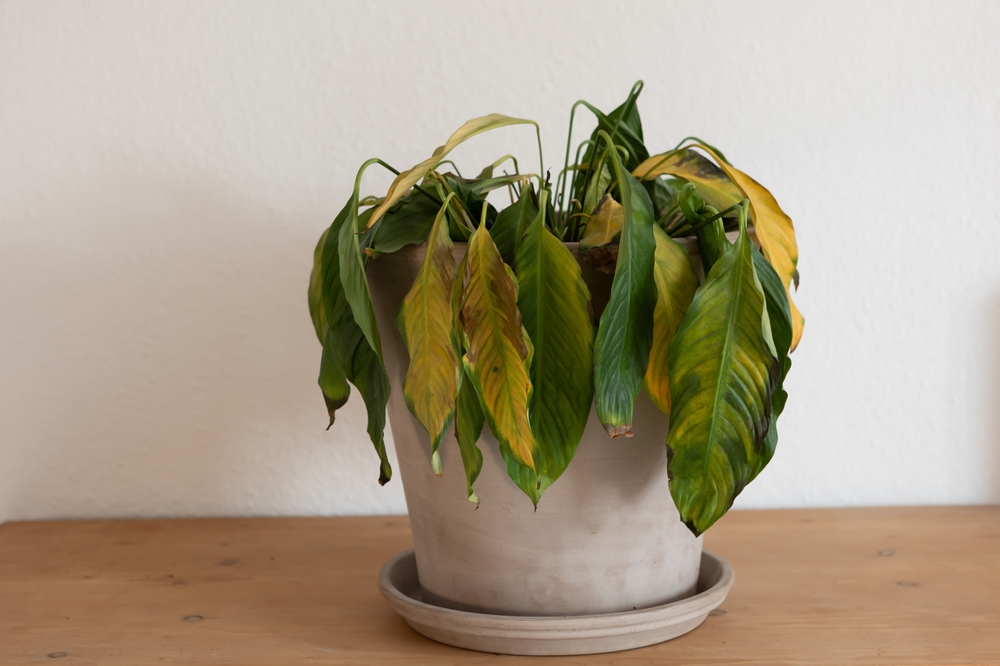
If your garden looks fine for a week and then suddenly starts collapsing, it’s probably not bad luck or a “brown thumb.” Most plant problems don’t come from one dramatic failure—they come from a small habit that repeats until plants can’t recover. The tricky part is that this one mistake often feels responsible, especially when life is busy and you’re trying to “stay on top of things.” But plants don’t reward effort the way errands do, and doing the wrong thing consistently can be worse than doing nothing. Let’s nail down what’s happening and how to fix it fast without turning gardening into another full-time job.
Why This One Mistake Happens To Busy Gardeners
The most common killer isn’t forgetting to water—it’s watering too often in small sips. That one mistake makes you feel productive because you’re “checking on the plants” and giving them something every day. The problem is that shallow, frequent watering trains roots to stay closer to the surface where soil heats up and dries out fast. It also keeps the top layer constantly damp, which invites fungus gnats, mildew, and root problems that look like random decline. Busy schedules push people toward quick fixes, but plants usually need fewer, better-timed actions.
What Shallow Watering Does To Roots And Soil
Roots grow toward moisture, so if water only reaches the top inch or two, roots never learn to dig deeper. Then the first warm day or windy afternoon hits, and plants act thirsty again even though you watered yesterday. At the same time, repeated light watering can create a crusty top layer that repels water, so the next watering runs off instead of soaking in. In containers, this effect is even faster because potting mix can shrink away from the edges and leave dry pockets. When you repeat one mistake long enough, plants start living on a thin margin that collapses the moment weather turns.
Signs You’re Doing It Without Realizing
You might be making one mistake if your plants wilt in the afternoon but perk up at night, then wilt again the next day. Another clue is soil that looks wet on top but feels dry a couple inches down when you poke it with a finger. You may also see more yellow leaves than expected, especially on lower growth, because stressed roots can’t feed the plant well. Fungus gnats hovering near pots are a big signal that the surface stays damp too often. If you feel like you’re watering constantly and still losing plants, it’s time to change the pattern.
How To Water Deeply In Less Time
Deep watering doesn’t mean standing outside for an hour—it means getting water to the root zone in one focused session. For in-ground beds, water slowly so it soaks in instead of racing across the surface, and aim for moisture 6 inches down for most vegetables and flowers. For containers, water until you see it drain from the bottom, wait a minute, then water again to rehydrate dry pockets. If your soil is very dry, start with a light “primer” watering, wait five minutes, and then water deeply so it penetrates instead of beading off. Fixing one mistake is often as simple as watering less often, but more thoroughly, so plants can build real drought resilience.
Make A Schedule That Matches Weather, Not The Calendar
A rigid routine is how one mistake sneaks back in, because weeks aren’t consistent even if your reminders are. Instead, base watering on conditions: heat, wind, sun exposure, and plant size matter more than the day of the week. A good baseline is deep watering once or twice a week for established in-ground plants, with adjustments for heat waves and sandy soil. Containers may need deep watering more often, but still benefit from fewer, thorough sessions instead of daily splashes. The goal is to check soil moisture regularly and water when needed, not to water because the calendar says so.
Upgrade Your Soil So Water Stays Where It Belongs
Good soil turns watering into a savings plan because it holds moisture longer and reduces how often you have to intervene. Add compost to improve structure so water soaks in evenly and roots can move through the soil without struggling. Mulch is the simplest cheat code: a 2- to 3-inch layer can cut evaporation, soften temperature swings, and reduce stress during hot afternoons. In containers, refresh potting mix with compost or a quality mix that doesn’t turn hydrophobic, and avoid letting pots bake on reflective surfaces. When soil holds moisture properly, you’re less likely to repeat one mistake out of panic.
Quick Tools That Help You Break The Habit
You don’t need gadgets, but a few simple tools make deep watering easier when time is tight. A soaker hose or drip line delivers water slowly while you do something else, which reduces runoff and gets moisture where it counts. A watering wand helps you target the base of plants without spraying leaves, which can reduce disease pressure. A cheap moisture meter can help if you struggle to read soil by touch, but your finger works fine if you use it consistently. The real tool is a new rule: water deeply, then walk away and let roots do their job.
The Busy Gardener’s Fix That Saves Plants Fast
The fastest way to protect your garden is to stop rewarding one mistake with daily attention and start rewarding plants with deeper roots. Check soil first, water only when the root zone actually needs it, and commit to fewer but better watering sessions. Pair deep watering with mulch and compost so moisture lasts longer and your workload drops over time. Once roots grow deeper, plants handle missed days, surprise heat, and windy afternoons with far less drama. You don’t need more time—you need a better pattern that keeps plants alive even when life is chaotic.
Have you ever realized you were “overhelping” your plants—what changed your watering routine for good?
What to Read Next…
Are You Overwatering Plants Before They Even Go Outside?
The Year-Round Garden Mistake That’s Costing Homeowners Hundreds
8 Cold-Weather Watering Mistakes That Cause Winter Rot
7 Seed-Starting Mistakes That Cost More Than They Should
The Hidden Dangers of Overwatering in Cooler Months

Catherine is a tech-savvy writer who has focused on the personal finance space for more than eight years. She has a Bachelor’s in Information Technology and enjoys showcasing how tech can simplify everyday personal finance tasks like budgeting, spending tracking, and planning for the future. Additionally, she’s explored the ins and outs of the world of side hustles and loves to share what she’s learned along the way. When she’s not working, you can find her relaxing at home in the Pacific Northwest with her two cats or enjoying a cup of coffee at her neighborhood cafe.
Leave a Reply