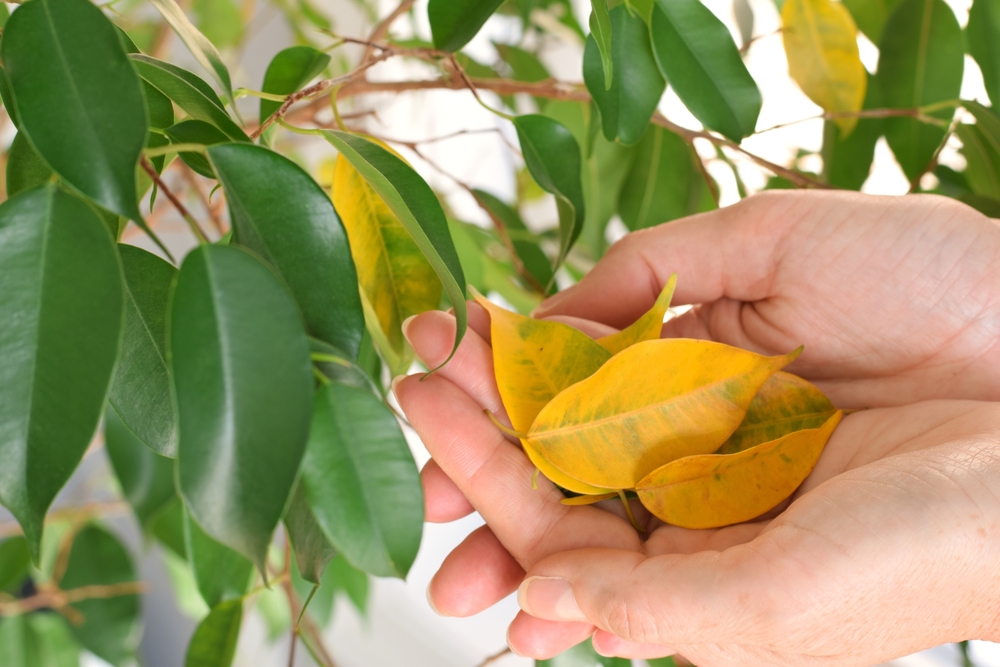
You bring your plants inside for the winter, give them extra love, extra water, and extra attention—and suddenly, they start dropping leaves like they’re auditioning for a dramatic soap opera. One day your ficus is full and glossy, the next it looks like it’s quietly giving up on life.
If this sounds painfully familiar, you’re not alone. Experts say there’s one incredibly common winter habit that’s responsible for most cold-season plant meltdowns, and the wild part is that it comes from good intentions. You’re not neglecting your plants—you’re loving them too hard in the wrong way.
The Surprisingly Common Winter Habit That’s Wrecking Your Plants
The number one winter habit causing houseplants to drop leaves is overwatering. It feels counterintuitive because watering seems like care, but in winter, too much water is one of the fastest ways to stress and damage indoor plants. Most houseplants naturally slow their growth during winter due to shorter daylight hours and lower light intensity, which means they use far less water than they do in spring and summer. When you water them on a warm-season schedule, the soil stays wet longer, oxygen levels drop around the roots, and root rot can begin to develop. Once roots start struggling, leaves follow quickly, turning yellow, drooping, or falling off entirely.
What makes this habit so sneaky is that the symptoms often look like thirst at first. Wilting leaves, drooping stems, and sad-looking plants make people reach for the watering can even faster. In reality, the roots are already drowning, not thirsty.
Why Winter Changes Everything for Indoor Plants
Winter completely shifts how plants function indoors, even when temperatures inside your home feel comfortable. Shorter days mean less photosynthesis, which slows plant metabolism and reduces water uptake. Your plant isn’t “hungry” or “thirsty” in the same way it is during bright, warm months, even if your heater keeps the room cozy. Growth slows down, roots absorb less moisture, and the soil dries out much more slowly than you expect.
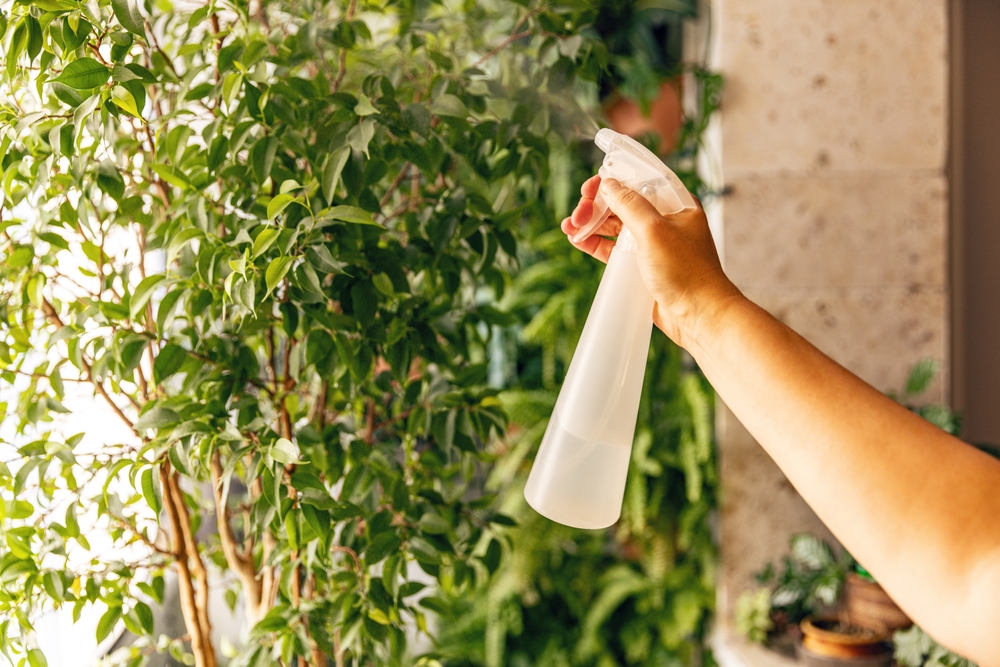
At the same time, heaters dry out the air, which creates another layer of confusion for plant owners. Dry air can make leaves look crispy or curled, which people often mistake for dehydration in the soil. This leads to even more watering, compounding the problem.
The Leaf-Dropping Chain Reaction No One Warns You About
Once overwatering starts, the damage doesn’t stay hidden underground for long. Roots deprived of oxygen begin to decay, and damaged roots can’t transport nutrients or water properly. The plant enters survival mode, shedding leaves to conserve energy and reduce strain on its system. Leaf drop is essentially the plant saying, “I can’t support all this growth right now.”
This is why you’ll often see lower leaves dropping first, followed by yellowing, mushy stems, or soft leaf bases. Some plants develop black spots or mold on the soil surface, which signals moisture overload.
How to Fix the Problem Without Killing Your Plants in the Process
The first step is changing how you decide when to water. Stop watering by schedule and start watering by soil condition. Stick your finger two inches into the soil—if it’s still damp, don’t water.
Lift the pot and feel its weight; dry soil is much lighter than wet soil, and this trick becomes surprisingly accurate over time. Make sure your pots have drainage holes, because no plant wants to sit in stagnant water, especially in winter.
The Small Seasonal Tweaks That Make a Huge Difference
Winter plant care is about subtle adjustments, not dramatic overhauls. Rotate plants regularly so they get even light exposure and don’t lean or weaken on one side. Wipe dust off leaves so they can absorb as much light as possible during shorter days. Keep plants away from cold drafts, heating vents, and radiators, because temperature swings stress them just as much as water issues.
Avoid fertilizing heavily in winter, since plants aren’t actively growing and excess nutrients can burn roots. Focus on stability instead—consistent light, consistent temperature, and gentle watering habits.
These small changes create an environment where plants can rest instead of struggling. Healthy winter care isn’t about pushing growth; it’s about protecting what’s already there.
The Winter Reset Your Plants Are Begging For
If your houseplants are dropping leaves this winter, the fix isn’t more attention—it’s smarter care. Overwatering is the most common mistake because it feels like love, but it’s often the thing doing the most damage. Winter is a rest season for plants, not a growth season, and adjusting your habits to match their natural rhythm can completely change their health.
When you slow down, observe the soil, and respond to what the plant actually needs instead of what feels right, everything improves. Fewer fallen leaves, stronger roots, healthier growth, and plants that look alive instead of barely surviving—that’s the real win.
What’s the one houseplant that always seems to struggle for you in winter—and do you think watering habits might be the hidden culprit? Give your thoughts to other gardeners in the comments below.
You May Also Like…
Gardeners Warned: This Common Winter Cleanup Habit Is Spreading Fungal Disease in Raised Beds
This Winter Gardening Habit Is Spreading Mold and Root Rot, Experts Warn
Are You Overwatering Plants Before They Even Go Outside?
The Hidden Dangers of Overwatering in Cooler Months
Experts Say Houseplant Soil Mix Is Causing Gnat Infestations

Brandon Marcus is a staff writer for FrugalGardening.com at District Media, Inc., where he delivers practical gardening advice with a relatable, no-nonsense style. An avid amateur gardener, he holds a BA degree and with over ten years of professional writing experience, he is also an award-winning published author whose first book, Questions For Deep Thinkers, was released by Adams Media. His work has appeared in major publications including Fandom.com, CHUD.com, TheColdWire.com, and Fansided.com.
Leave a Reply