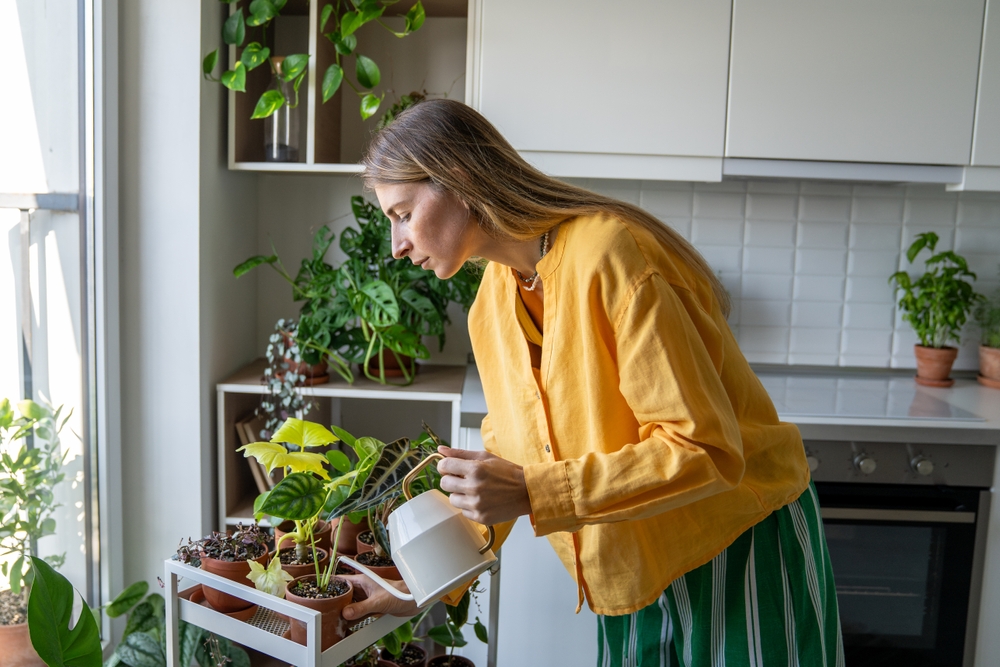
January is when a lot of houseplants start looking “off,” and it’s easy to assume they just hate winter. Leaves droop, growth stalls, and a perfectly fine plant suddenly looks like it’s giving up on life. That’s why the most common fix feels logical: do more care, more often.
But master gardeners will tell you the opposite is usually true, because one well-meaning January habit quietly creates the exact conditions most houseplants can’t tolerate. Fixing it doesn’t require fancy gear or a green thumb, just a few small changes you can make today.
1. The Real Problem Is Overcorrecting Winter Slowdown
Plants don’t follow the calendar, but they do respond to light and temperature changes fast. In January, shorter days mean slower growth and slower water use for most common houseplants. When you treat them like they’re still in active summer mode, the roots sit in damp soil longer than they should.
That extra moisture steals oxygen from the root zone, which is where the trouble begins. The quickest way to stop the damage is to adjust your routine to winter pace instead of forcing “normal.”
2. The #1 January Habit To Break: Watering On A Schedule
If you do one thing this month, stop watering just because it’s “watering day.” This January habit sounds responsible, but it ignores the biggest winter variable: how slowly the pot dries.
Some plants may need water every two weeks, others every four, and a few may surprise you by needing a bit more if they sit near a heat source. Check the soil first, not the date, and you’ll avoid most winter houseplant drama. Think of it as responding to what the plant is doing, not what the calendar says.
3. Use A Simple Soil Check Before You Grab The Watering Can
You don’t need a moisture meter if you learn a couple quick checks. Stick a finger 1 to 2 inches into the soil, and if it feels cool and damp, you’re done for now. For bigger pots, lift the container to feel the weight, because dry pots get noticeably lighter. If you prefer a tool, a wooden skewer works like a cake tester: slide it in, then check for wet soil clinging to it. This quick step breaks the watering-on-autopilot loop that causes most winter houseplant problems.
4. Know The Quiet Signs Of Overwatering Before It’s Too Late
Overwatering doesn’t always look like dramatic wilt, at least not at first. Early signs include yellowing lower leaves, soft stems, and a musty smell near the soil line.
You may also see fungus gnats hovering, because they love consistently damp potting mix. The plant can look thirsty even while drowning, since stressed roots can’t move water properly. If you recognize these signals early, you can correct the January habit before root rot takes hold.
5. Drainage And Saucers Can Make Or Break Your Winter Routine
A pot without drainage holes is a gamble in any season, but especially in winter. If water can’t escape, it pools at the bottom and keeps the lower root zone wet for days.
Saucers can also cause problems when they hold standing water, so empty them after watering. If you use a decorative cachepot, remove the nursery pot, water in the sink, let it drain fully, and then return it. This one change can solve a lot of winter watering issues without adding more steps.
6. Warm, Dry Indoor Air Changes How Plants Behave
January air inside many homes is dry, but that doesn’t mean plants need more water in the soil. Dry air increases leaf moisture loss, while cold windowsills and low light slow root activity, creating a mismatch.
That mismatch tempts people into watering more, when the better move is improving humidity or placement. A small humidifier, a pebble tray, or grouping plants together can help leaves cope without soaking roots. Moving a plant a few feet away from a cold draft can also reduce stress fast.
7. Stop Fertilizing If Your Plant Isn’t Actively Growing
Fertilizer feels like “help,” but in January it often backfires. When light is low, many houseplants aren’t growing much, so they don’t use added nutrients efficiently.
Excess salts can build up in the soil, stressing roots that are already struggling with winter conditions. If you must feed, do it lightly and only for plants that are clearly pushing new growth. Cutting this extra input helps undo the January habit of doing too much too soon.
8. Repotting In January Usually Adds Stress Instead Of Solving It
When a plant looks unhappy, people often assume it needs a bigger pot or fresh soil immediately. Repotting can be useful, but it’s still a shock, and January is a tough time for recovery in low light.
If the plant isn’t severely rootbound, wait until spring when growth naturally picks up. In the meantime, you can top-dress with a small amount of fresh mix or simply aerate the soil gently. Skipping this common reaction keeps you from stacking stress on top of your January habit.
9. A Quick Rescue Plan If You Think You’ve Overwatered
If the soil is soggy and the plant is declining, act quickly but calmly. First, stop watering and move it to brighter light if possible, because light helps the plant use moisture.
Tilt the pot and drain any standing water, then empty the saucer every time. If the soil is truly soaked, slide the root ball out and let it air out for a short time before returning it, or repot into dry mix if there’s a sour smell. Breaking the January habit is the long-term fix, but this rescue routine can save plants that are on the edge.
The Winter Reset That Keeps Houseplants Alive
Most January houseplant problems trace back to good intentions paired with winter conditions. When light drops, plants slow down, and your care needs to slow down with them. Replace the January habit of scheduled watering with simple soil checks, better drainage, and smarter placement.
Keep inputs minimal, watch for early warning signs, and your plants will coast through winter instead of struggling. Do that, and spring growth will look like a reward instead of a recovery.
What’s the one winter houseplant routine you’re most tempted to do on autopilot, and which plant gives you the most trouble in January?
What to Read Next…
7 Houseplants That Hate Dry Winter Heat and What to Do
Why Your Houseplants Need a “Vacation” from Fertilizer Right Now
6 Houseplants That Thrive in Neglect and Still Impress Guests
Why Gardeners Are Falling in Love With Unusual Houseplants This Year
10 Houseplants That Clean the Air Better Than Purifiers

Catherine is a tech-savvy writer who has focused on the personal finance space for more than eight years. She has a Bachelor’s in Information Technology and enjoys showcasing how tech can simplify everyday personal finance tasks like budgeting, spending tracking, and planning for the future. Additionally, she’s explored the ins and outs of the world of side hustles and loves to share what she’s learned along the way. When she’s not working, you can find her relaxing at home in the Pacific Northwest with her two cats or enjoying a cup of coffee at her neighborhood cafe.
Leave a Reply