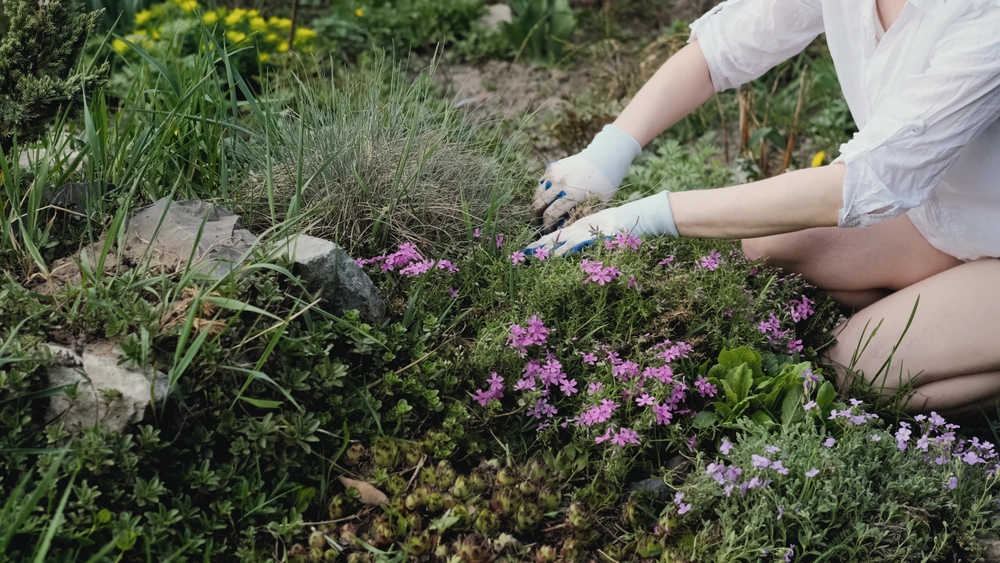
Gardening is supposed to be peaceful, right? A little sunshine, dirt under your nails, and the satisfaction of watching your flowers and vegetables grow. But lurking in the corners of your garden are cunning invaders—plants that aren’t content to quietly coexist. These weeds don’t just show up; they launch full-scale takeovers, spreading faster than gossip at a neighborhood barbecue.
If you let them slide, they’ll smother your prized plants, choke your soil, and turn your garden into a green battleground you never signed up for.
1. Creeping Charlie: The Stubborn Carpet Crawler
Creeping Charlie, also known as ground ivy, is the ultimate stealth invader. It creeps along your lawn or garden bed, rooting wherever it touches the soil, forming a thick carpet that your grass and flowers can’t penetrate. Its round, scalloped leaves are deceptively cute, almost begging you to admire them, but don’t be fooled—they’re relentless. Trying to dig it out is like wrestling a slippery octopus; a single fragment left behind will regrow with a vengeance. If you spot it early, consistent pulling and a healthy lawn can keep this green tyrant at bay.
2. Bindweed: The Twisting Terror
Bindweed looks innocent enough with its delicate white or pink funnel-shaped flowers, but it’s one of the most aggressive weeds a gardener can encounter. Its underground roots can stretch for several feet, sending up new shoots that choke the life out of nearby plants. Even a tiny piece left in the soil can sprout, making eradication a test of patience and persistence. This weed doesn’t just grow; it climbs, coils, and wraps around your plants like a green vice. Control requires vigilance, digging deep, and sometimes strategic use of mulch or targeted herbicides.
3. Dandelion: The Deceptive Sunshine Bomber
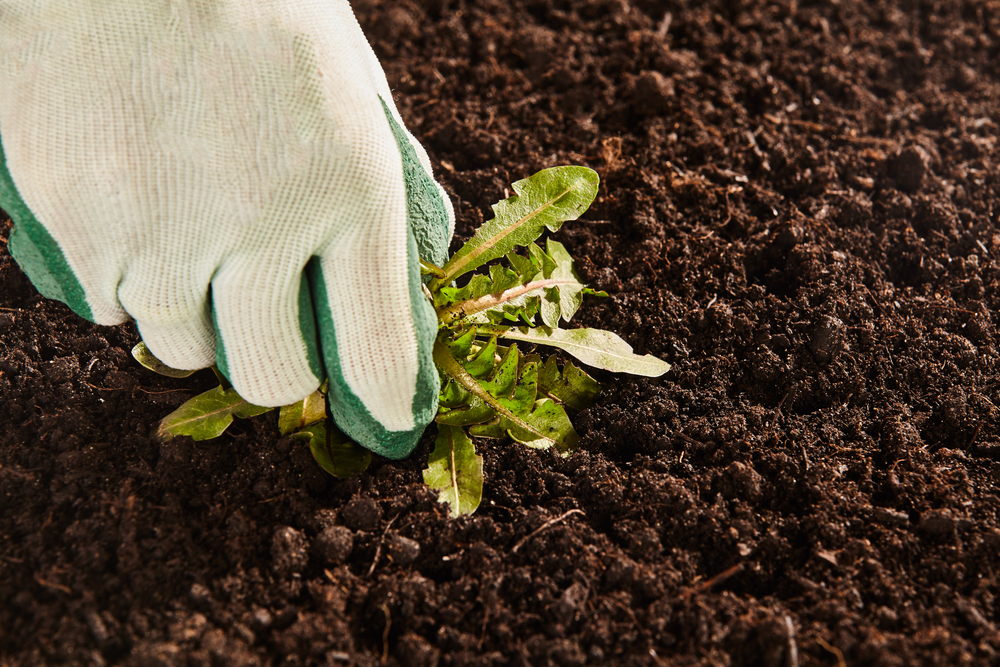
Everyone knows the dandelion, and many consider it harmless, even charming. Those bright yellow flowers turn into fluffy, windborne parachutes that spread seeds far and wide, often landing in places you’d least expect. Beneath the surface, a thick taproot anchors it stubbornly in place, making it tough to pull without breaking off the root. If left unchecked, dandelions can overtake lawns and garden beds, creating a yellow-and-green monopoly. Regular weeding, digging deep, and mulching around desired plants are essential strategies to stay ahead.
4. Crabgrass: The Sneaky Summer Saboteur
Crabgrass may seem like a seasonal nuisance, but it’s a master of infiltration. It germinates in the heat of summer, sprouting in bare patches and spreading quickly if ignored. Its wide, spiky leaves and rapid growth can smother desirable plants, competing fiercely for water and nutrients. By the time you notice it, crabgrass often has deep roots and a sprawling footprint that’s difficult to eliminate. Preventative care, such as maintaining a dense, healthy lawn and removing seedlings early, is key to keeping it under control.
5. Horsetail: The Primitive Invader
Horsetail, sometimes called scouring rush, is like a living fossil from the age of dinosaurs. Its jointed, brush-like stems give it an alien appearance, and it thrives in wet or poorly drained soil. This weed spreads through underground rhizomes, which are nearly impossible to completely remove, making it one of the most persistent garden adversaries. Horses tail also accumulates silica in its tissues, which can make digging it out a real challenge. Controlling it often requires a combination of physical removal, careful soil management, and sometimes chemical intervention.
6. Nutsedge: The Triangular Trickster
Nutsedge might look like grass at first glance, but it’s a sneaky impostor. Its triangular stems are the giveaway, but the real danger lies underground in its nut-like tubers. These tubers sprout new plants quickly, spreading the infestation exponentially if left alone. Nutsedge thrives in damp conditions and can outcompete nearly every other plant in its path. Early detection, careful digging, and mulching are your best bets to prevent it from taking over completely.
7. Japanese Knotweed: The Relentless Giant
Japanese Knotweed is the heavyweight champion of invasive plants, and it’s a nightmare for any gardener. Its bamboo-like stems and large leaves grow rapidly, forming impenetrable thickets that overshadow everything beneath them. The root system is vast, capable of regenerating from even the smallest fragments, making removal extremely difficult. This weed doesn’t just invade gardens—it can damage fences, paths, and even foundations. Persistent cutting, removal of root systems, and long-term monitoring are required to keep this botanical bulldozer in check.
Don’t Let These Green Invaders Win
Your garden is a sanctuary, but these weeds are silent, cunning adversaries that won’t wait politely for you to notice them. By identifying these seven insidious weeds early and implementing consistent control strategies, you can protect your plants and your outdoor space. Gardening isn’t just about planting; it’s about vigilance, care, and sometimes a little ruthless weeding.
Have you battled any of these invasive intruders in your garden? Tell your story or offer advice in the comments section below and help fellow gardeners stay one step ahead.
You May Also Like…
9 Edible Weeds That Pop Up in September
The One Weed You Should Never Ignore in November
Killing Weeds with Diesel? Here’s What You Need to Know First
10 Garden Tasks That Prevent Spring Weeds
5 Fall Weeds You Should Pull Immediately

Brandon Marcus is a staff writer for FrugalGardening.com at District Media, Inc., where he delivers practical gardening advice with a relatable, no-nonsense style. An avid amateur gardener, he holds a BA degree and with over ten years of professional writing experience, he is also an award-winning published author whose first book, Questions For Deep Thinkers, was released by Adams Media. His work has appeared in major publications including Fandom.com, CHUD.com, TheColdWire.com, and Fansided.com.
Leave a Reply