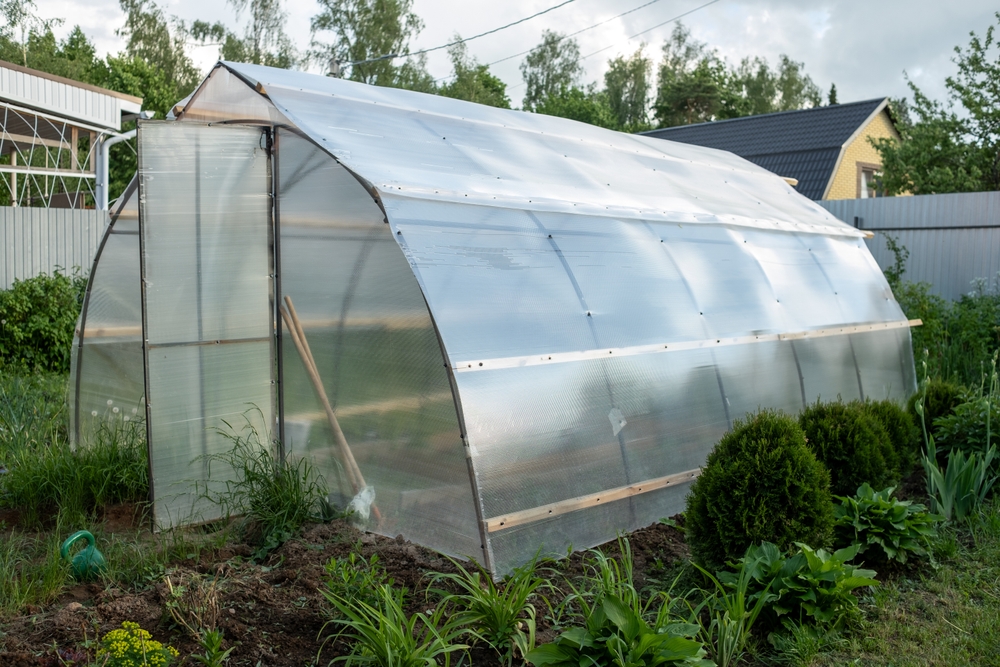
The air is crisp, the leaves are falling, and your summer garden is officially on its farewell tour. But if you think the growing season ends when the pumpkin spice hits the shelves, think again. Fall gardening—especially inside a greenhouse—is like discovering a hidden cheat code for year-round harvests. With a few clever DIY hacks, you can keep your plants cozy, productive, and thriving well into sweater weather.
Whether you’re growing lettuce, herbs, or late-season tomatoes, these greenhouse tricks will turn your fall garden into the envy of every frost-bitten backyard in the neighborhood.
1. Use Thermal Mass to Trap Daytime Heat
One of the smartest fall greenhouse tricks is using thermal mass—objects that soak up heat during the day and release it at night. You can use anything from water barrels and bricks to painted black stones. The idea is simple but powerful: when the sun goes down and the temperature drops, those items act like mini-heaters for your plants. This helps stabilize the nighttime temperature inside your greenhouse without running a heater all night. Even better, it’s an eco-friendly way to save energy and extend your growing season naturally.
2. Bubble Wrap Isn’t Just for Stress Relief
Yes, the same bubble wrap you can’t resist popping can also insulate your greenhouse. Lining the inside walls with clear bubble wrap creates a surprising amount of extra warmth by trapping air and reducing heat loss. It’s especially effective around the edges and roof where heat tends to escape first. Plus, it still allows sunlight to filter through, so your plants get their daily dose of rays without the chill. Just make sure to secure it tightly—nothing ruins your greenhouse vibe like runaway plastic on a windy day.
3. Create a Mini Greenhouse Inside Your Greenhouse
When the nights get especially cold, it’s time to double down—literally. Build a smaller greenhouse inside your existing one using hoops and clear plastic sheeting. This “greenhouse within a greenhouse” design traps even more warmth around your plants, creating a microclimate that feels like spring in October. It’s perfect for delicate greens, young seedlings, or any plants that hate the cold shoulder from Mother Nature. Bonus: you can reuse the same materials in early spring for your next round of seedlings.
4. Add a Compost Corner for Natural Heat
Here’s a hack that’s equal parts genius and green: compost generates heat while it breaks down organic matter. By placing a compost pile or bin in one corner of your greenhouse, you’re basically adding a natural heater. The steady warmth from the compost helps raise the overall temperature inside while also giving you nutrient-rich compost for future planting. Just be sure to manage it properly—turning it regularly and balancing your green and brown materials to avoid unwanted odors. It’s a win-win for warmth and sustainability.
5. Install DIY Solar Heaters for Free Energy
If you love a good project, this one’s for you. Create a simple solar heater using black-painted soda cans or metal pipes mounted in a box with a clear cover. When sunlight hits the surface, it heats the metal, and a small fan can circulate that warm air inside your greenhouse. It’s an inexpensive and surprisingly effective way to boost daytime temperatures without burning fossil fuels. Once you build one, you’ll wonder how your plants ever survived fall without it.
6. Use Reflective Surfaces to Maximize Light
Fall sunlight is precious—so make every ray count. Add reflective surfaces like aluminum foil, emergency blankets, or white-painted boards along the inner walls to bounce sunlight deeper into your greenhouse. This trick ensures that even the plants tucked in the corners get their fair share of light. Not only does it enhance growth, but it also keeps the temperature more consistent throughout the space. The best part? It’s one of the cheapest and easiest upgrades you can do in under an hour.

7. Seal Every Gap Like a Winter Warrior
All the warmth in the world won’t help if your greenhouse leaks like a sieve. Spend a few hours sealing gaps, cracks, and loose panels before the real chill sets in. Use weather stripping, silicone caulk, or even foam tape around doors and windows to keep the cold air out. Pay special attention to corners and seams—those are the sneaky spots where heat loves to escape. A well-sealed greenhouse not only keeps your plants warmer but also reduces humidity swings and energy waste.
Keep Growing Long After the Leaves Fall
Fall doesn’t have to mark the end of your gardening season—it can be the start of something even better. With these seven DIY greenhouse hacks, you can outsmart the cold, stretch your harvest, and watch your plants thrive while everyone else is packing theirs away. The best part is that most of these tricks cost next to nothing but deliver huge results. So grab your tools, roll up your sleeves, and give your plants the cozy fall retreat they deserve.
Have any greenhouse hacks or success stories of your own? Share them in the comments below—we’d love to hear how you’re keeping the green alive this season.
You May Also Like…
How to Design and Plan Your Dream Greenhouse Or Shed
8 Budget Friendly Landscaping Tips No One Talks About
8 DIY Sprays That Experts Say Cause More Harm Than Help
7 Cold Frames That Keep Lettuce Growing Longer
Why Over-Fertilizing Kills More Plants in Fall

Brandon Marcus is a staff writer for FrugalGardening.com at District Media, Inc., where he delivers practical gardening advice with a relatable, no-nonsense style. An avid amateur gardener, he holds a BA degree and with over ten years of professional writing experience, he is also an award-winning published author whose first book, Questions For Deep Thinkers, was released by Adams Media. His work has appeared in major publications including Fandom.com, CHUD.com, TheColdWire.com, and Fansided.com.
Leave a Reply