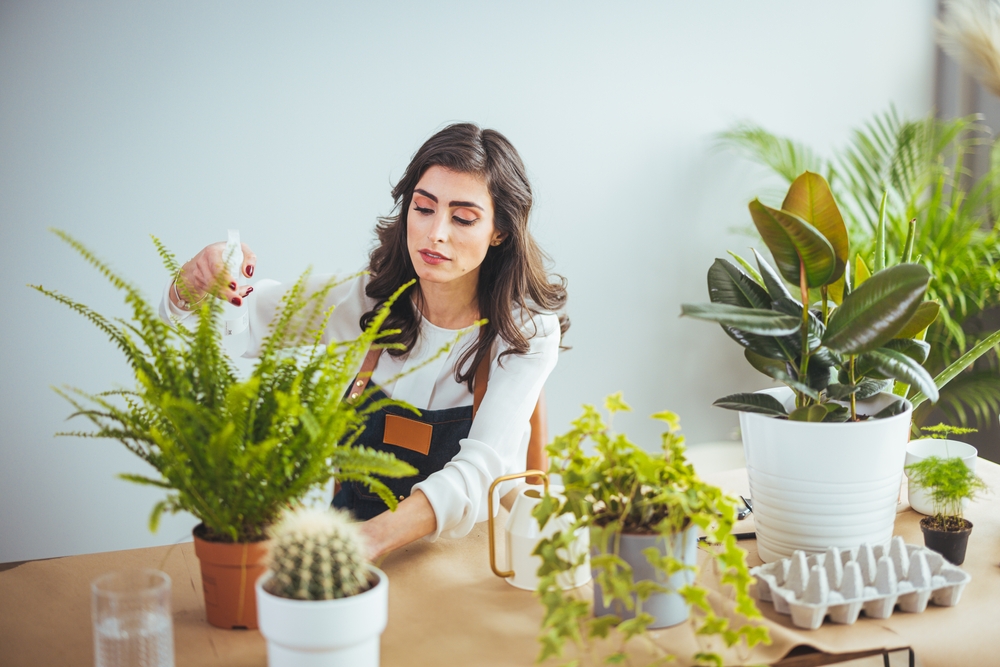
A new plant entering your home is not a quiet event; it is a tiny parade of potential, color, and leafy ambition. One moment you are holding a pot of soil and stems, and the next you are responsible for a living thing that wants light, water, stability, and maybe a little admiration. Plants wake up rooms, soften sharp corners, and add a pulse of life that furniture alone can never match. They are also honest roommates, because if something is off, they will tell you with drooping leaves or dramatic yellowing.
Getting your space ready is part science, part intuition, and part playful experimentation, and that is where the real fun begins.
Understanding Your Plant’s Personality
Every plant arrives with preferences, quirks, and limits that shape how it will behave in your space. Some thrive on bright light and attention, while others prefer calm corners and minimal fuss. Learning whether your plant is tropical, desert-loving, or shade-tolerant helps you avoid mismatches that cause stress. Plant tags, nursery notes, and reliable care guides give you essential clues about temperature, humidity, and growth habits. Treating your plant like an individual rather than generic decor sets the tone for long-term success.
Choosing The Perfect Spot In Your Home
Location is the single biggest factor in how comfortable your new plant will feel. Light direction, intensity, and duration all influence photosynthesis and overall health. South- and west-facing windows deliver strong light, while north-facing spaces offer gentler exposure that suits low-light plants. Airflow matters too, because vents, heaters, and drafty doors can dry leaves or shock roots. Taking time to test a spot before committing helps your plant settle in without unnecessary stress.
Creating A Healthy Light Environment
Light is plant fuel, and getting it right can feel like dialing in the perfect recipe. Too much direct sun can scorch leaves, while too little causes slow growth and pale color. Sheer curtains, plant stands, and reflective surfaces help fine-tune light levels without major rearranging. For darker homes, grow lights offer consistent, controllable support that mimics natural daylight. Adjusting light gradually prevents shock and gives your plant time to adapt.
Improving Soil And Drainage Conditions
Soil is more than dirt; it is a complex system that manages water, air, and nutrients. Using the right mix for your plant type keeps roots healthy and active. Good drainage prevents water from pooling, which can lead to root rot and fungal issues. Pots with drainage holes and saucers give excess water a safe exit path. Refreshing soil occasionally replenishes nutrients and keeps your plant’s foundation strong.

Managing Water Without Overdoing It
Watering is where many plant owners accidentally try too hard. Different plants need different rhythms, and consistency matters more than frequency. Overwatering suffocates roots, while underwatering slows growth and causes wilting. Checking soil moisture with your finger or a moisture meter helps remove guesswork. Building a simple routine keeps your plant hydrated without overwhelming it.
Adjusting Temperature And Humidity Levels
Most houseplants prefer stable temperatures that mirror comfortable human living conditions. Sudden shifts from open windows, radiators, or air conditioners can cause leaf drop or browning. Humidity is especially important for tropical plants that evolved in moist environments. Pebble trays, humidifiers, and grouped plants help raise moisture naturally. Creating a balanced microclimate makes your home feel welcoming to greenery year-round.
Giving Your Plant Room To Grow
Plants change over time, and planning for growth prevents future headaches. Crowded roots, low ceilings, and tight corners can limit development and health. Repotting when roots outgrow their container gives plants fresh space and nutrients. Rotating pots ensures even growth and prevents leaning. Thinking ahead allows your plant to mature comfortably rather than struggle silently.
Welcoming Your Plant Into Its New Life
Bringing a plant home is the start of an evolving relationship, not a one-time task. Paying attention to small changes helps you respond before problems escalate. Each success builds confidence and makes plant care feel intuitive rather than intimidating. Your home becomes more alive as you learn what your plant responds to best.
Drop your thoughts, lessons learned, or favorite plant moments in the comments below and keep the conversation growing.
You May Also Like…
10 Houseplants That Clean the Air Better Than Purifiers
12 December Gardening Tasks That Most Homegrowers Forget
Why Gardeners Are Falling in Love With Unusual Houseplants This Year
8 Outdoor Projects That Could Void Your Home Insurance
6 Unusual Edible Plants You Can Add to Your Garden This Season

Brandon Marcus is a staff writer for FrugalGardening.com at District Media, Inc., where he delivers practical gardening advice with a relatable, no-nonsense style. An avid amateur gardener, he holds a BA degree and with over ten years of professional writing experience, he is also an award-winning published author whose first book, Questions For Deep Thinkers, was released by Adams Media. His work has appeared in major publications including Fandom.com, CHUD.com, TheColdWire.com, and Fansided.com.
Leave a Reply