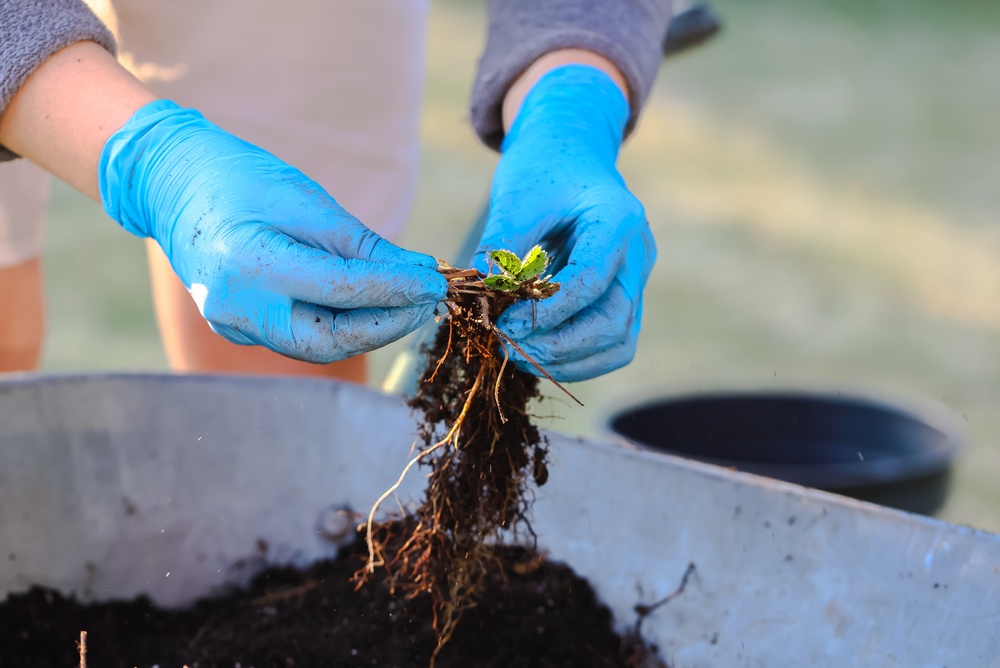
A crowded perennial bed can look like a shopping list waiting to happen, with one plant here, another plant there, and several suspiciously empty spots begging for a nursery run. Before handing over the credit card, take a closer look at the plants already growing in the yard, because fall division can turn one established perennial into several new plants.
Many spring- and summer-blooming perennials divide well in fall, when cooler conditions reduce stress and give roots time to settle in before winter. The result can fill a border, create a new planting area, or provide divisions to share with a gardening friend. One healthy clump can sometimes do far more work than a car full of nursery pots.
1. Daylilies: The Garden’s Most Generous Roommates
Daylilies often form large, crowded clumps that make division feel less like surgery and more like separating a family reunion into smaller groups. Fall offers a good opportunity to divide established plants after flowering has finished, especially when the clump has become congested or flowering has declined. Lift the plant with a garden fork or spade, loosen soil from the roots, and pull or cut the clump into sections with healthy roots and several growing points.
Large, dense clumps may require two garden forks placed back-to-back as levers, which sounds dramatic but works remarkably well. Replant the divisions promptly at the same depth and water them thoroughly so those newly separated plants do not spend their first week underground wondering what happened.
2. Hostas: Make More Shade Without Buying More Shade Plants
Hostas earn their place on this list because mature clumps can become enormous, and dividing one can produce new plants for other shady corners. Late autumn works for congested hostas after the foliage dies back, although gardeners can also divide them in early spring. Lift the clump carefully, identify the growing points, and cut through the root mass with a sharp spade or knife when the roots refuse to separate by hand.
Each piece needs healthy roots and viable buds, and gardeners should replant divisions at their original depth. Water them after planting, because even famously tough hostas appreciate a decent welcome after somebody slices their home into pieces.
3. Peonies: Worth the Effort, but Not the Rush
Peonies belong in the fall-division conversation, but they require a little more patience than a hosta or daylily. Their fleshy roots can break during digging, so work carefully and dig widely around an established clump rather than attacking the crown with enthusiasm and a sharp spade. Fall provides the preferred division season for peonies because gardeners can work with dormant plants and give roots time to establish. Each division needs healthy root tissue and several visible buds, often called eyes. Planting depth matters enormously, so gardeners should avoid burying those buds too deeply or setting them far above the soil surface.
This plant also deserves a warning label: dividing a peony does not guarantee an immediate explosion of flowers the following spring. Newly divided plants may take time to settle in, and a gardener who expects instant bouquets may spend spring glaring at perfectly healthy foliage. That delay does not automatically signal failure. Peonies dislike frequent disturbance, so divide only when the plant truly needs rejuvenation, relocation, or propagation. Once the divisions have enough room and the correct planting depth, patience becomes part of the job. Buying a new peony can cost money, but dividing an established one costs something different: a willingness to wait.
4. Siberian Iris: Divide the Clump, Not Your Confidence
Siberian iris forms a dense clump over time and can benefit from division when the center loses its former flower power. Fall suits this clump-forming iris, although gardeners should remember that not all irises follow the same schedule. Lift the clump and use two garden forks placed back-to-back if the roots resist separation.
Keep divisions fairly large instead of reducing the plant to a collection of tiny fragments. Replant the younger, healthier sections at their original depth and discard portions that look old, weak, or damaged.
5. Sedum: When One Clump Starts Hogging the Spotlight
Tall stonecrop, commonly sold under Sedum or Hylotelephium names, can form broad clumps that eventually crowd their neighbors. Once the plant finishes its main flowering period and conditions cool, gardeners can divide an established clump and create more material for sunny beds. Lift the root mass, cut it into sections with healthy roots and shoots, and replant those pieces without letting them sit around and dry out. Keep the divisions at approximately their previous depth and water them in after planting. Sedum does not require coddling like a greenhouse celebrity, but fresh divisions still need moisture while roots settle into their new soil.
Division can also help gardeners repeat a favorite plant through a border without turning every new planting project into another purchase. Place the new sections where they receive conditions similar to the parent plant, particularly good drainage and plenty of sun for tall stonecrop. Avoid planting divisions in a soggy location simply because an empty space happens to exist there.
6. Bee Balm: Put Its Spreading Habit to Work
Bee balm, or Monarda, rarely wins awards for staying politely inside its assigned square footage. Established plants can spread into sizable patches, and division offers a useful way to manage that enthusiasm while creating new plants. Fall can work for division when conditions allow enough time for roots to establish before freezing weather arrives. Dig sections with healthy roots and shoots, remove weak or damaged portions, and replant promptly. Give each division room for airflow rather than packing the new plants shoulder-to-shoulder and recreating the original congestion.
The best divisions usually come from vigorous growth rather than the tired-looking center of an aging patch. That approach lets gardeners refresh the planting and move healthy material into a new bed or border. Keep the soil moist after transplanting, especially if autumn turns unexpectedly dry. A little attention during the first few weeks can make a major difference because divided roots need moisture to reconnect with their surroundings.
7. Garden Phlox: Rescue the Center Before It Goes Bald
Garden phlox can signal overcrowding in a fairly obvious way when the center of the clump begins to weaken while stronger growth continues around the edges. Fall division can give those healthy outer portions room to grow while removing older, less productive sections. Dig carefully around the clump, lift it, and separate it into divisions that each contain healthy roots and shoots. Replant them at the same depth and water thoroughly after planting. Choose a location with appropriate light and air circulation, because crowding the new plants into a tight row defeats the purpose of dividing them in the first place.
8. Shasta Daisies: More White Flowers, Same Original Purchase
Shasta daisies form clumps that can become crowded after several seasons, making division a sensible way to refresh the planting and increase the number of plants. Fall works best when gardeners divide after the plant has finished its main flowering period and while soil conditions remain workable. Lift the clump, separate healthy sections with roots and shoots, and discard portions that look weak or depleted. Replant the divisions promptly and keep the soil evenly moist while the roots establish. Give each new section enough room because squeezing several divisions together simply creates tomorrow’s overcrowding problem a little ahead of schedule.
New divisions can also solve one of the classic garden-design dilemmas: how to make a planting look full without buying a dozen plants at once. Repeating the same perennial in several areas often creates a more cohesive look than scattering single unrelated specimens around every open patch. A mature daisy clump can provide those repeated plants while preserving the same flower form already present in the garden. Check each division before planting and keep only sections with a good supply of roots. A weak scrap might technically qualify as a division, but that does not make it worth the garden space. Start with solid pieces, and the new plants have a much better chance to establish before winter.
9. Coral Bells: Small Offsets, Big Possibilities
Coral bells, or Heuchera, can make division feel wonderfully straightforward because offsets often develop around the main crown. Those smaller sections provide natural starting points for new plants when they have developed enough roots of their own.
Lift the plant carefully, shake away loose soil so the crowns and roots become easier to see, and tease or cut suitable sections apart. Replant the divisions promptly at the proper depth rather than burying the crown too deeply. Fall division can work when conditions remain favorable, but gardeners should avoid waiting until freezing weather stands around the corner tapping its foot.
10. Garden Geraniums: Let the Border Make Its Own Repeats
Hardy garden geraniums form clumps that gardeners can divide to create more plants for borders and groundcover-style plantings. Fall offers a suitable division window for many established clump-forming perennials when the plants have finished active flowering and weather remains mild enough for roots to settle. Lift the clump with a fork or spade, separate it into healthy rooted sections, and avoid leaving the divisions exposed to sun and wind while preparing new holes. Replant each section at its original depth and water well. If the clump has a tired center, favor the healthier outer growth when choosing what to keep.
Garden geraniums make especially useful divisions when a border needs repetition because their spreading habit can soften gaps between larger plants. Instead of buying several matching perennials, gardeners can use divisions to echo the same foliage and flowers elsewhere in the landscape. That creates visual continuity while keeping an established plant working harder for the garden. Still, resist the urge to divide every perennial simply because fall has arrived. Young plants, drought-stressed plants, diseased clumps, and species that dislike disturbance deserve a different plan. Division works best when the gardener matches the technique and timing to the specific plant rather than treating the entire perennial bed like a giant pizza.
The Nursery Budget Can Stay in Your Pocket
Dividing perennials in fall can refresh crowded plants, rejuvenate aging clumps, and create new material for empty spaces without buying another round of nursery plants. The most important step comes before the digging starts: identify the plant and confirm that fall actually suits its division schedule, because peonies, Siberian iris, hostas, and daylilies do not all behave exactly alike, and bearded iris follows different timing altogether. Work on a cool or cloudy day when possible, keep roots from drying out, and replant divisions promptly at the correct depth.
Which perennial in the garden looks most ready for a fall division, and where would the extra plants go?
You May Also Like…
How to Spot Perennials That Need Dividing Now
5 Ways to Turn an Unused Corner Into a Perennial Food Patch
A Practical Guide to August Pruning Mistakes That May Cost You Next Year’s Flowers
September Is One of the Best Times to Get Free Plants From the Ones You Already Own
8 Garden Tasks That Become Easier in the Final Week of August

Brandon Marcus is a staff writer for FrugalGardening.com at District Media, Inc., where he delivers practical gardening advice with a relatable, no-nonsense style. An avid amateur gardener, he holds a BA degree and with over ten years of professional writing experience, he is also an award-winning published author whose first book, Questions For Deep Thinkers, was released by Adams Media. His work has appeared in major publications including Fandom.com, CHUD.com, TheColdWire.com, and Fansided.com.
Leave a Reply