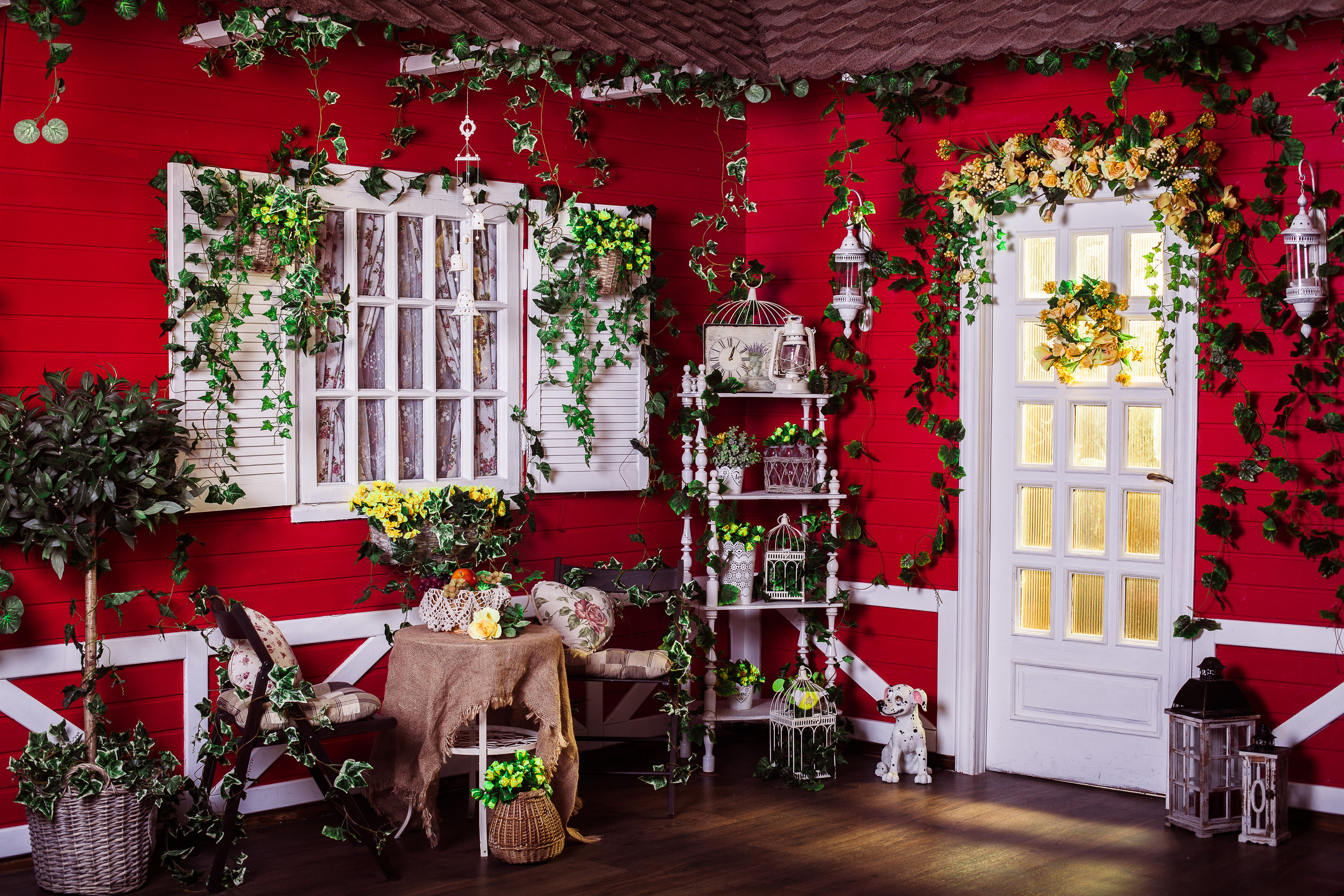
Climbing plants are a beautiful addition to any home exterior. They add greenery and a touch of romance to your façade. But what many homeowners don’t realize is that these same plants can quietly eat away at your siding, mortar, and paint. Over time, the damage can lead to expensive repairs and even structural concerns. Here are six common climbers that could be doing more harm than good to your home’s exterior.
1. English Ivy
English ivy is one of the most notorious culprits when it comes to siding damage. It latches onto walls very tightly, which can peel away paint or siding if you try to remove it. Additionally, ivy traps moisture against the surface, which can speed up rot, mildew, and decay. It’s not just siding that is at risk. Even brick and stone aren’t safe, since ivy can pry into mortar joints and weaken them. While ivy looks pretty, it can cause real damage to your home.
2. Climbing Hydrangea
Hydrangeas are iconic for their beautiful blooms in the spring and early summer. They have beautiful white flowers, but they cling to surfaces using strong rootlike holdfasts. These can dig into wood and vinyl siding. The plant also grows heavy, putting strain on any structure it climbs. Its dense growth traps humidity, making siding more vulnerable to mold. Their beauty may not be worth the hassle.
3. Wisteria
Did you know, according to the Victorian language of flowers, Wisteria represents a warning against over-passionate love or obsession. It’s pretty fitting because you will obsess about the damage this climbing plant causes. While wisteria is admired for its gorgeous purple blooms, it’s an aggressive grower. Its woody vines wrap around anything in their path, including gutters, shutters, and siding edges. As the vines thicken, they can pull fixtures loose or wedge themselves between siding panels. The weight of mature wisteria can even warp siding boards over time.
4. Virginia Creeper
Virginia creeper attaches to walls with adhesive pads that can cling to almost any surface. Once removed, the pads leave behind stains and residue that are nearly impossible to scrub off. Like ivy, it encourages moisture retention against siding, creating a breeding ground for mold and pests. The plant grows fast, so small shoots can become overwhelming in just one season.
5. Trumpet Vine
If you love hummingbirds, you may be tempted to plant Trumpet Vine. Trumpet vine is famous for attracting hummingbirds with its bright flowers, but it’s incredibly invasive. Its strong tendrils burrow into wood and siding cracks, worsening any pre-existing weaknesses. The vine spreads quickly underground as well, making it tough to fully remove once established. Because it grows aggressively, it often pries open siding seams and causes paint to bubble.
6. Honeysuckle
Honeysuckle may smell sweet, but it’s no friend to your siding. Its twining stems cling tightly and can easily lift siding panels as they grow thicker. Like other climbers, it holds in dampness, which can shorten the life of wood and composite materials. Insects are also drawn to honeysuckle, compounding the problems for your home’s exterior.
Keeping Climbing Plants in Check
If you love climbing plants, the safest option is to train them on a trellis, pergola, or free-standing support a few feet from your siding. This setup gives you the greenery and blooms without the hidden damage. Regular pruning and inspection are also essential to prevent vines from creeping back toward the house. Protecting your siding now saves you from major repair costs later.
You May Also Like…
- 10 Gardening Habits That Are Actually Destroying Your Soil
- 9 Surprising Reasons You’re Seeing More Dead Patches of Grass
- 8 Outdoor Projects That Could Void Your Home Insurance
- 7 Insects Experts Warn Can Hitchhike Into Your House From the Garden
- 10 Garden Chemicals That Are Still Sold—But Banned Overseas

Teri Monroe started her career in communications working for local government and nonprofits. Today, she is a freelance finance and lifestyle writer and small business owner. In her spare time, she loves golfing with her husband, taking her dog Milo on long walks, and playing pickleball with friends.
Leave a Reply