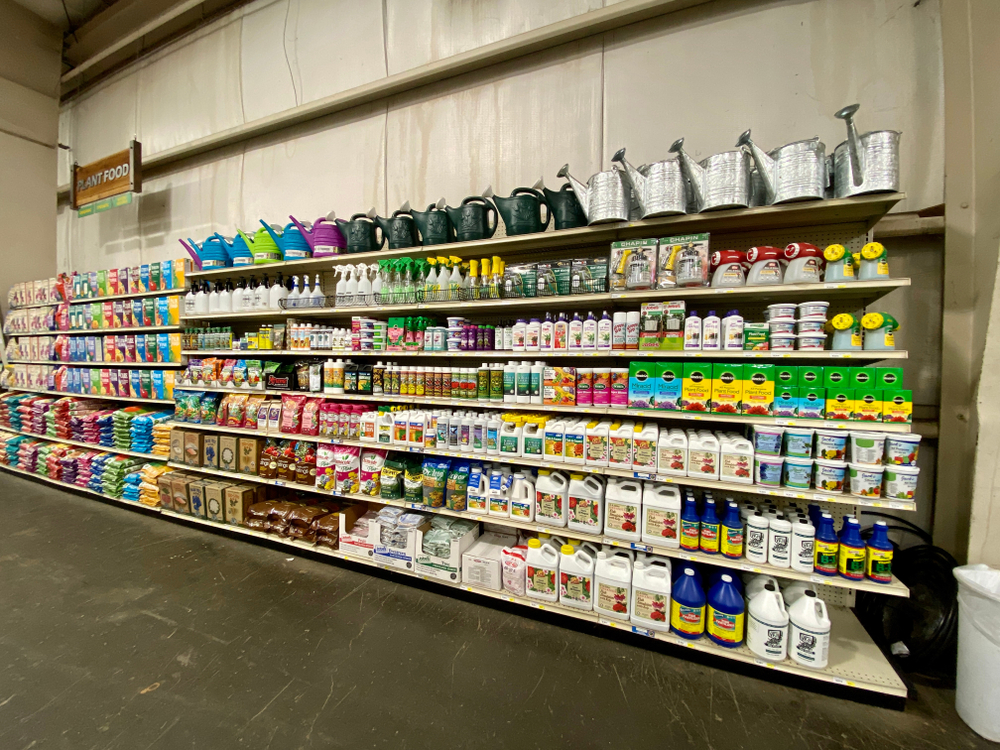
Walk into almost any garden center, and you’ll find shelves packed with products promising bigger tomatoes, healthier flowers, greener lawns, and fewer pests. There are specialty fertilizers, soil boosters, plant vitamins, and expensive treatments that make it seem like successful gardening requires a shopping cart full of supplies. But here’s something experienced gardeners eventually discover: some of those products aren’t necessary, and a few could actually do more harm than good.
The truth is that unnecessary gardening products can quietly eat away at your gardening budget without delivering noticeable results. Many plants already have what they need in healthy soil, and simple practices like composting, proper watering, and choosing the right growing location often accomplish more than expensive additives.
Before spending another $50 or $100 at the garden center, consider these seven products that may not deserve a place in your gardening routine.
1. Expensive Specialty Fertilizers for Every Type of Plant
Garden centers sell separate fertilizers for roses, tomatoes, hydrangeas, vegetables, and practically every other plant imaginable. While certain plants have specific nutritional requirements, that doesn’t mean you need a different fertilizer for every garden bed. According to the University of Maryland Extension, fertilizer applications should be based on soil testing and the actual nutritional needs of your plants. Buying multiple specialty products can become expensive, especially when your soil already contains sufficient phosphorus, potassium, or other nutrients. Instead of filling your shed with half-used fertilizer containers, invest in a soil test and purchase only the nutrients your garden actually needs.
2. Epsom Salt Products Promising Bigger Tomatoes
Epsom salt has developed an almost legendary reputation among gardeners who believe it produces sweeter tomatoes, bigger blooms, and healthier peppers. However, the University of Minnesota Extension explains that adding Epsom salts without a demonstrated magnesium deficiency can interfere with nutrient uptake and potentially harm plants. The product contains magnesium sulfate, which can correct certain deficiencies but isn’t a universal plant-growth booster. It also won’t automatically prevent blossom-end rot in tomatoes, a condition frequently associated with inconsistent watering and disrupted calcium movement within the plant. Unless a soil test reveals a magnesium deficiency, this is one of those unnecessary gardening products you can probably leave on the shelf.
3. Plant Vitamins That Claim to Prevent Transplant Shock
Moving seedlings into the garden can be stressful for plants, which makes products promising stronger roots and reduced transplant shock sound appealing. Some garden centers sell vitamin B1 solutions marketed specifically for newly transplanted flowers, shrubs, and vegetables. However, the University of California Master Gardeners explain that research hasn’t shown vitamin B1 alone to improve rooting or prevent transplant shock. What actually matters more is choosing an appropriate planting location, protecting delicate roots, and keeping the soil consistently moist while plants become established. Before buying another transplant additive, focus on proper planting techniques and spend that money on healthy seedlings or quality compost instead.
4. High-Phosphorus Fertilizers Your Soil Doesn’t Need
You’ve probably seen fertilizers marketed as bloom boosters, root stimulators, or special treatments for flowering plants. Many contain unusually high phosphorus levels, encouraging gardeners to believe that adding more phosphorus automatically produces more flowers and stronger roots. However, research on container nursery plants doesn’t support routinely using high-phosphorus starter fertilizers. Excess phosphorus can accumulate in garden soil, contribute to nutrient imbalances, and potentially pollute waterways through runoff. If your soil test shows adequate phosphorus, purchasing another high-phosphorus fertilizer may simply waste money while creating problems you didn’t have before.
5. Weed-and-Feed Products for Every Lawn Problem
Products that combine fertilizer and weed killer promise to solve two lawn problems with one application, which sounds convenient for busy homeowners. Unfortunately, the timing for feeding grass and controlling weeds doesn’t always match, meaning one part of the treatment may be unnecessary or poorly timed. The University of Florida IFAS Extension cautions that weed-and-feed products aren’t recommended for Florida-Friendly landscapes because they can harm desirable plants and may not provide effective treatment. Herbicides can also damage nearby flowers, shrubs, and vegetable plants if applied improperly or allowed to drift. A better approach is identifying your actual lawn problem, correcting underlying growing conditions, and using targeted treatments only when necessary and appropriate.
6. Expensive Soil Boosters That Promise Instant Results
Products labeled soil revitalizers, growth enhancers, or miracle soil boosters can make ordinary garden soil seem inadequate. However, healthy soil development usually depends on organic matter, appropriate nutrient levels, good drainage, and biological activity rather than a single bottled solution. Using soil tests to determine which nutrients are needed is recommended before purchasing amendments that may contribute to excessive nutrient buildup. For many home gardens, finished compost, shredded leaves, and other suitable organic materials can gradually improve soil structure without requiring a collection of specialty additives. These unnecessary gardening products become especially expensive when gardeners repeatedly apply them without knowing whether their soil actually needs improvement.
7. Miracle Plant Sprays That Promise to Fix Everything
A struggling plant can send gardeners searching for a quick solution, especially when leaves turn yellow or flowers suddenly stop appearing. That makes all-purpose miracle sprays appealing, but plant problems can have completely different causes, including insects, disease, poor drainage, temperature stress, and improper watering. Fertilizers cannot correct problems caused by pests, diseases, weather, or unsuitable growing conditions. Spraying an unnecessary treatment may waste money, delay an accurate diagnosis, or damage plants when products are applied incorrectly. Before purchasing another spray, inspect the leaves, stems, roots, and surrounding soil to determine what’s actually causing the problem.
What Your Garden Actually Needs to Thrive
Avoiding unnecessary gardening products doesn’t mean you should stop investing in your garden altogether. Instead, focus your budget on the supplies and improvements that provide lasting value, including quality seeds, appropriate growing media, reliable watering equipment, and soil testing when needed. Finished compost can improve soil structure, while organic mulch helps conserve moisture, moderate soil temperatures, and reduce weed competition. Choosing plants suited to your climate and sunlight conditions can also reduce the need for corrective treatments throughout the growing season. These practical investments often provide more dependable results than repeatedly purchasing products that promise dramatic improvements without addressing the real problem.
A Healthier Garden Doesn’t Have to Cost More
Successful gardening isn’t about buying every new product that appears on store shelves. In fact, avoiding unnecessary gardening products can help you save money while reducing the risk of overfertilizing, damaging plants, or disrupting your soil’s natural balance. Before buying another treatment, ask yourself whether you’ve identified a specific problem and whether reliable research supports the proposed solution. Your local Cooperative Extension office can provide science-based recommendations and help you understand which soil amendments or pest treatments are genuinely necessary. Sometimes the smartest gardening purchase is the one you decide not to make.
What’s one gardening product you stopped buying because it didn’t deliver the results you expected? Have you discovered a cheaper alternative that works just as well? Share your experiences in the comments.
What to Read Next
7 Garden Products You Can Stop Buying — Experts Say You May Not Need Them
Leave a Reply