
In today’s health-conscious world, it’s more important than ever to be informed about the products we use daily. Recent studies and research have revealed a shocking truth: several everyday products once deemed safe are now linked to cancer. This revelation is not only alarming but also serves as a crucial wake-up call to reevaluate our lifestyle choices. Below, we explore 12 products we all used that are now known to cause cancer, shedding light on their potential dangers and offering alternatives to safeguard your health.
1. Talcum Powder

Talcum powder, a staple in bathrooms and nurseries, has come under scrutiny due to its asbestos content. Asbestos, a known carcinogen, can contaminate talc during mining, posing a risk of ovarian and lung cancer upon exposure. The alarming link between talcum powder and cancer has led to thousands of lawsuits against major brands, urging consumers to opt for safer, talc-free alternatives.
2. Non-Stick Cookware

Non-stick cookware, praised for its convenience, contains perfluorooctanoic acid (PFOA), a chemical linked to several cancers, including kidney and testicular cancer. When heated to high temperatures, non-stick coatings potentially release toxic fumes, posing a risk to both cooks and their families. Switching to ceramic, glass, or stainless steel cookware can reduce exposure to these harmful chemicals.
3. Processed Meats

The World Health Organization classified processed meats like bacon, sausages, and hot dogs, as carcinogenic to humans. These meats contain preservatives like nitrates and nitrites, which can form cancer-causing compounds in the body. Reducing consumption of processed meats and opting for fresh, lean meats or plant-based alternatives can decrease cancer risk.
4. Plastic Containers with BPA

Bisphenol A (BPA), found in many plastic containers and water bottles, is an endocrine disruptor linked to breast and prostate cancer. BPA can leach into food and beverages, especially when heated. Opting for BPA-free plastics or using glass and stainless steel containers can minimize exposure to this harmful chemical.
5. Air Fresheners and Synthetic Fragrances

Many air fresheners and synthetic fragrances contain phthalates and volatile organic compounds (VOCs) linked to an increased risk of cancer. These chemicals can be inhaled or absorbed through the skin, making seemingly harmless scents a hidden danger. Choosing natural fragrances and essential oils can provide a safer, toxin-free alternative.
6. Coal Tar Hair Dyes

Certain hair dyes contain coal tar, a byproduct of coal processing linked to bladder and blood cancers. The darker the dye, the higher the risk, as these often contain higher concentrations of these harmful chemicals. Opting for natural or plant-based hair dyes can reduce exposure to these carcinogens.
7. Sunscreens with Oxybenzone

Many chemical sunscreens contain oxybenzone, a substance known to disrupt hormone levels and potentially lead to skin cancer. With skin cancer rates on the rise, it’s vital to choose sunscreens with physical blockers like zinc oxide or titanium dioxide, which offer suitable protection without harmful side effects.
8. Pesticide-Laden Produce
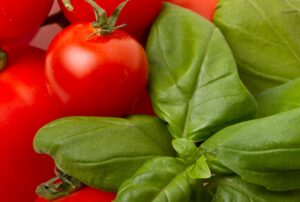
Conventionally grown fruits and vegetables can carry pesticide residues linked to various cancers. The Environmental Working Group publishes an annual “Dirty Dozen” list, highlighting produce with the highest pesticide levels. Opting for organic or thoroughly washing produce can reduce exposure to these dangerous chemicals.
9. Asbestos-Containing Insulation
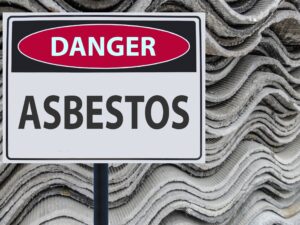
Asbestos, once a popular insulation material, is now known to cause mesothelioma, a deadly lung cancer. Despite its known risks, asbestos can still be found in older homes and buildings. Ensuring proper removal by professionals and opting for safer insulation materials can protect against exposure.
10. Alcohol

Excessive alcohol consumption is a well-known risk factor for several cancers, including liver, breast, and colon cancer. The risk increases with the amount of alcohol consumed, making moderation key. Reducing alcohol intake or choosing non-alcoholic alternatives can significantly decrease cancer risk.
11. Artificial Sweeteners

Some artificial sweeteners, such as saccharin and aspartame, have been controversial due to their potential cancer-causing effects. While studies are mixed, caution is advised when consuming products containing these substances. Opting for natural sweeteners like stevia or reducing sugar intake overall can be healthier choices.
12. Diesel Exhaust

Exposure to diesel exhaust, a complex mixture of chemicals, is a known risk factor for lung cancer. Individuals working in industries with high diesel exposure, such as trucking and construction, are at increased risk. Using cleaner fuels and reducing exposure in occupational settings can mitigate this risk.
Being Vigilant About Products We Use That Could Cause Cancer

The link between everyday products and cancer underscores the importance of being vigilant about the items we use and the foods we consume. By opting for safer alternatives and making informed choices, we can significantly reduce our cancer risk and lead healthier lives. Awareness is the first step towards change, empowering us to make decisions that promote our well-being and longevity.

Catherine is a tech-savvy writer who has focused on the personal finance space for more than eight years. She has a Bachelor’s in Information Technology and enjoys showcasing how tech can simplify everyday personal finance tasks like budgeting, spending tracking, and planning for the future. Additionally, she’s explored the ins and outs of the world of side hustles and loves to share what she’s learned along the way. When she’s not working, you can find her relaxing at home in the Pacific Northwest with her two cats or enjoying a cup of coffee at her neighborhood cafe.
Leave a Reply