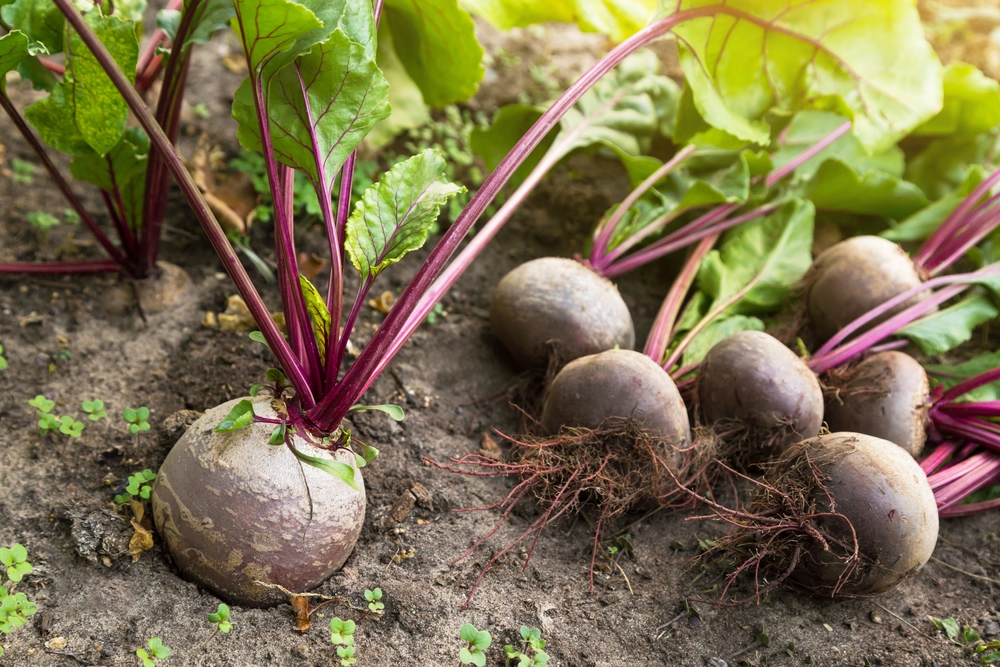
Your tomato plants are fading, the cucumbers have stopped producing, and your summer garden looks like it’s ready to close for the year. But before you pack away your tools, there’s one vegetable worth considering for your next cool-weather garden: beets. These colorful root vegetables can thrive when temperatures drop, provide more than one edible harvest, and help you stretch your grocery budget beyond summer.
Unlike heat-loving vegetables that struggle as autumn approaches, beets perform particularly well in cooler conditions. According to Iowa State University, they typically reach harvestable size in approximately 50 to 70 days, making them a practical fall crop when planted early enough. Their versatility, relatively modest space requirements, and storage potential make growing beets in fall an appealing option for gardeners who want more value from their vegetable beds.
Beets Actually Prefer Cooler Growing Conditions
One reason beets deserve a place in your fall garden is that they don’t require the hot temperatures associated with summer vegetables. The North Carolina Gardener Plant Toolbox explains that beets thrive during the cooler temperatures of spring and fall, although they can tolerate some summer heat. Cooler weather can support steady root development while reducing some of the heat stress that affects vegetables planted during midsummer. Established beet plants also tolerate light frost, making them useful when the first chilly nights arrive before the garden is completely finished. However, frost tolerance doesn’t mean unlimited winter growth, so gardeners still need to allow enough time for roots to develop before prolonged freezing weather.
You Can Harvest Both the Roots and the Greens
One of the biggest advantages of growing beets in fall is that almost the entire plant can contribute to your meals. Beet greens are edible and can be prepared similarly to spinach or turnip greens. Once roots reach approximately one inch in diameter, gardeners can carefully harvest up to one-third of the foliage without significantly interfering with root development. Tender young leaves work well in salads, while larger greens can be sautéed with garlic or added to soups. Instead of paying separately for leafy vegetables and root vegetables at the grocery store, one planting can provide ingredients for several different meals.
Beets Don’t Require an Enormous Garden
You don’t need a large backyard or multiple raised beds to produce a useful beet harvest. Beets can grow in containers at least eight inches deep, provided they have adequate drainage and growing space. This makes them suitable for patios, small vegetable gardens, and existing raised beds that previously held summer crops. For traditional garden planting, seedlings generally need to be thinned to approximately two to three inches apart so developing roots aren’t overcrowded. A modest container or short garden row can produce enough beets for several meals without requiring expensive equipment or a major gardening investment.
A Fall Harvest Can Taste Especially Good
Many gardeners appreciate beets for their earthy flavor, but cooler growing conditions may make the harvest particularly enjoyable. North Carolina Cooperative explains that fall beets can develop sweeter flavors as they grow into cooler weather, although results depend on variety and growing conditions. Beets naturally contain sugars, and their flavor can vary with temperature, moisture, maturity, and soil conditions. Harvesting smaller, tender roots often produces a more pleasant texture than allowing them to become excessively large and fibrous. If you’ve only eaten canned beets, roasting freshly harvested roots with a little olive oil may completely change your opinion of this underrated vegetable.
You Can Grow Several Different Colors and Varieties
Not all beets are the familiar dark-red vegetables commonly sold in grocery stores. Beet varieties include golden, white, red, and striped roots, with shapes ranging from round to cylindrical. Popular choices include Detroit Dark Red for traditional red roots, Golden varieties for yellow flesh, and Chioggia for distinctive red-and-white interior rings. Some varieties mature faster than others, so checking the seed packet’s days-to-maturity estimate is especially important when planning a late-season harvest. Trying two varieties in a small garden bed can add color to meals while helping you discover which type performs best in your climate.
Proper Spacing Makes a Bigger Difference Than Expensive Fertilizer
One of the most common problems when growing beets in fall is overcrowding, which can prevent roots from reaching a useful size. Beet seed packets often contain what appear to be individual seeds, but many are actually seed clusters capable of producing multiple seedlings. The University of Maryland recommends thinning plants when they reach approximately two inches tall to prevent competition for space and nutrients. Carefully remove excess seedlings while leaving enough room for the remaining roots to expand, and consider using tender thinnings as edible greens. Before spending money on additional fertilizer, check whether poor spacing, compacted soil, or inconsistent watering might be responsible for disappointing root development.
Beets Can Help Fill Empty Summer Garden Beds
Fall gardening doesn’t necessarily require building new beds or purchasing additional containers. The University of Maryland’s fall gardening guide recommends using space vacated by declining summer vegetables to establish cool-season crops. Beets grow best in loose, well-drained soil, so remove old plant debris, loosen compacted areas, and incorporate finished compost if needed before sowing. For fall planting, you should try to account for shorter daylight hours and slower growth as temperatures decline. In many northern regions, beets should be planted during midsummer for an autumn harvest, while gardeners in warmer climates may have later planting opportunities depending on local frost dates.
The Harvest Can Last Long After Gardening Season Ends
Another reason beets are among the best late-season crops is their ability to remain useful well after they’re pulled from the ground. Properly stored beets can last approximately one to three months in cool, humid conditions. For best results, trim the foliage to about one-half to one inch above the roots and store the beets around 32 to 35 degrees Fahrenheit with high humidity. Home gardeners can also refrigerate smaller quantities or preserve their harvest through freezing and properly tested pickling or canning methods. If you plan to preserve beets, follow Penn State’s food safety guidance, since plain beets require pressure canning rather than ordinary boiling-water canning.
Give Your Fall Garden One More Chance to Produce
There’s a reason growing beets in fall deserves more attention from gardeners trying to make every square foot count. These vegetables tolerate cool conditions, offer edible greens and roots, fit into smaller spaces, and can remain useful for months when stored correctly. It is recommended that you maintain consistent moisture, thin seedlings properly, and harvest roots when they reach approximately one to three inches in diameter. Just remember that timing matters, and gardeners who missed their fall planting window may be better off planning an early spring crop rather than wasting seeds in soil that’s already too cold.
Have you tried growing beets during fall, and do you prefer eating the roots, cooking the greens, or preserving your harvest for winter? Share your favorite beet-growing tips in the comments.
What to Read Next
How to Refresh Container Gardens With Cool-Season Color
Leave a Reply