Your basil has started looking tired, the tomatoes are slowing down, and the first chilly nights have arrived. But one herb in your garden might still be producing fresh green leaves while everything else prepares for winter. Parsley is surprisingly resilient when temperatures drop, making it one of the most useful herbs to keep growing during fall.
Unlike heat-loving basil, parsley actually prefers relatively cool growing conditions. Its ability to tolerate light frost means gardeners can sometimes continue harvesting well after other summer herbs have finished producing.
That doesn’t mean parsley is completely immune to winter weather, but understanding growing parsley in cool weather can help you extend your harvest, reduce grocery spending, and make better use of your garden before winter arrives.
Parsley Naturally Prefers Cooler Growing Conditions
Parsley is a cool-season herb, which explains why it often continues growing when summer vegetables begin declining. According to the University of Minnesota Extension, parsley grows well in relatively cool conditions and can tolerate light frost once established. During hot summer weather, plants may struggle with heat stress, especially when soil moisture becomes inconsistent. As daytime temperatures moderate in fall, healthy parsley plants can continue producing flavorful leaves without the same level of heat-related stress. This makes growing parsley in cool weather particularly rewarding for gardeners who want fresh herbs after their warm-season crops have faded.
Light Frost Doesn’t Necessarily End the Harvest
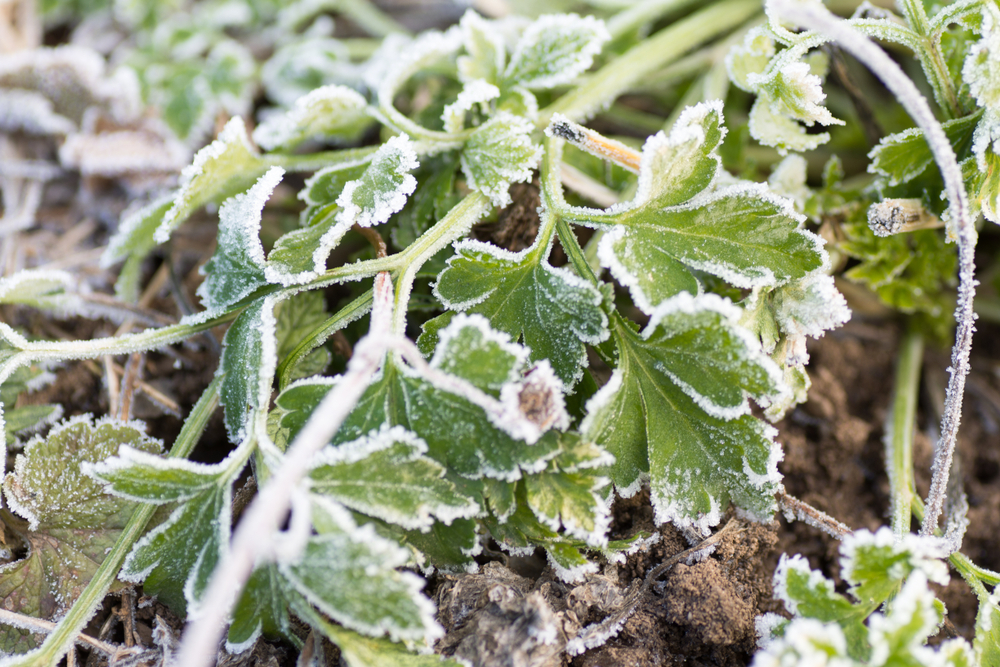
Many gardeners assume that any frost means it’s time to pull their herbs out of the garden. However, parsley is considerably more cold-tolerant than tender herbs such as basil, making it capable of surviving some chilly nights. The University of Maryland Extension identifies parsley as an herb that can tolerate cooler temperatures and continue growing during the fall season. Established plants may withstand a light frost with relatively little damage, although prolonged freezing weather can eventually injure foliage and roots. Rather than removing healthy plants at the first frost warning, monitor their condition and harvest usable leaves while they remain green and vigorous.
Fall Sunlight Can Help Maintain Healthy Leaves
Successful growing parsley in cool weather depends on more than temperature alone. Parsley generally performs best with several hours of sunlight, although it can tolerate partial shade in many growing conditions. Parsley benefits from a sunny location and consistently moist, well-drained soil. As autumn progresses, shorter days and lower sun angles can reduce the amount of light reaching garden beds near fences, buildings, or trees. If your parsley grows in containers, moving the pots to a sunnier location may help maintain healthy foliage as the growing season winds down.
Watering Needs Change as Temperatures Drop
One of the most common fall gardening mistakes is continuing to water herbs as frequently as during summer heat. Cooler temperatures generally slow evaporation, meaning parsley may need less frequent watering even while it continues producing leaves. It is recommended to maintain appropriate soil moisture while avoiding poorly drained conditions that can damage herb roots. Check the soil an inch below the surface before watering, and remember that containers often dry out differently than garden beds. Keeping the soil moderately moist without allowing water to collect around the roots can help parsley remain productive through changing fall conditions.
Harvesting Correctly Encourages Continued Production
Parsley can provide multiple harvests when gardeners remove mature leaves without damaging the plant’s central growing point. Harvesting the outer stems first allows younger growth near the center to continue developing. Use clean scissors to cut mature stems near the base rather than pulling individual leaves and risking damage to the crown. Avoid stripping the entire plant if you want additional harvests, especially when cooler temperatures are already slowing new growth. This approach makes growing parsley in cool weather more economical because one established plant can supply several small harvests instead of being removed all at once.
A Simple Row Cover Can Extend the Season
Gardeners in colder climates may be able to extend their parsley harvest by protecting plants from early frosts. The University of New Hampshire Extension explains that lightweight floating row covers can provide modest frost protection while allowing sunlight and moisture to reach plants. Position the material over the parsley before temperatures fall, and secure the edges so wind cannot lift it away. Hoops can prevent the fabric from pressing against tender foliage, particularly when rain or snow adds weight. Row covers cannot protect plants indefinitely during severe winter conditions, but they may provide enough additional protection to keep parsley productive through several chilly nights.
Container Parsley Offers More Flexibility
If you’re growing parsley in cool weather in containers, you have an advantage when temperatures become unpredictable. Pots can be moved closer to a protected wall, beneath a covered porch, or indoors temporarily when unusually cold weather threatens. According to Iowa State University Extension, parsley is among the herbs that can be grown indoors when provided adequate light and appropriate growing conditions. Because parsley develops a substantial taproot, choose a reasonably deep container and avoid disturbing established roots unnecessarily. Remember that container soil can freeze more quickly than soil in the ground, so outdoor pots may require protection even when nearby garden plants remain healthy.
Parsley’s Two-Year Life Cycle Explains Its Behavior
Another important detail about parsley is that it is a biennial plant rather than a true annual. During its first growing season, parsley primarily produces leaves and develops the roots that support future growth. Plants that survive winter typically flower and produce seeds during their second growing season. Once parsley begins flowering, leaf production and quality often decline because the plant redirects energy toward reproduction. If you want a dependable supply of tender leaves, consider starting new parsley plants each year rather than relying entirely on older plants to keep producing.
Preserve Extra Parsley Before Severe Cold Arrives
Even when growing parsley in cool weather goes well, eventually there may be more leaves than you can use immediately. Freezing is a convenient preservation method because chopped parsley can be added directly to soups, sauces, and other cooked dishes. The National Center for Home Food Preservation recommends washing fresh herbs, draining them thoroughly, and freezing them in suitable containers or small portions. You can also freeze chopped parsley in ice cube trays with water, creating convenient portions for winter cooking. Preserving the final harvest means your garden can continue saving you money long after outdoor temperatures become too cold for fresh growth.
Keep Harvesting While the Weather Allows
The biggest advantage of growing parsley in cool weather is that it allows gardeners to get more value from plants they already own. Unlike many summer herbs, parsley can tolerate light frost, continue producing in moderate fall temperatures, and sometimes survive winter with appropriate protection. Proper harvesting, adequate moisture, and suitable growing conditions can help maintain productive plants throughout their growing season. Whether you leave parsley in the garden, protect it with row covers, or move a container indoors, a little attention can extend your access to fresh herbs without another grocery-store purchase.
Does your parsley keep growing after your other herbs fade, or have you found a reliable way to harvest it well into winter? Share your experiences in the comments.
What to Read Next
The Best Radish Varieties for Short Cool-Weather Growing
Leave a Reply