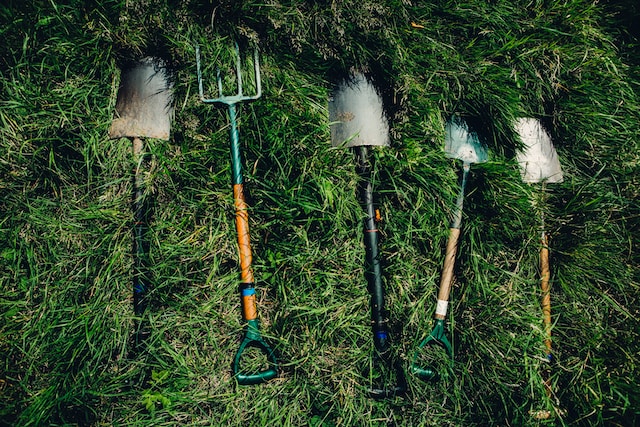
It’s spring and for many of us that’s a great reminder to do some spring cleaning. Cleaning isn’t just for the house, either; you should spring clean your garden. And, of course, you should clean and disinfect your garden tools throughout the year as well. Here are some of the most frugal ways that you can do that,.
Difference Between Cleaning and Disinfecting Garden Tools
Last year, we looked at five frugal ways to disinfect garden tools. We’re going to talk more about disinfecting but also about cleaning. So what is the difference between when you clean and disinfect garden tools?
The two things are related, of course. But cleaning gardening tools simply means washing off the soil and whatever else might be visible on the tools. This is something that you should doing regularly. It helps keep them in good working order, preventing rust and other damage. It also helps prevent the spread of disease or other garden problems if you’re using the same tools throughout the garden.
Cleaning is also something you might do before disinfecting your garden tools. Disinfecting takes it a set further, though. This is all about killing the germs that might cause harm to your garden. It’s a more specific approach to keeping your plants safe. It’s especially important when you know that there’s been a fungus or pest in the garden. However, you’ll want to disinfect regularly as well.
Why Clean and Disinfect Garden Tools
It’s important to both clean and disinfect your garden tools for many reasons including:
- Prevent spread of disease in your garden
- Prevent spread of pests in your garden
- Prolong the life of your tools
- Keep the tools in the best working order to make working with them easy and efficient
- Having a good garden routine, including cleaning, helps maximize the mental health benefits of gardening
Frugal Ways To Clean and Disinfect Your Garden Tools
In last year’s article, we covered five frugal ways to disinfect your garden tools:
- Bleach water
- Distilled white vinegar
- Alcohol
- Trisodium Phosphates
- Bleach-free disinfectant wipes
You can check that article for more details about each of those. Today, we’ll look at even more frugal ways to clean and disinfect your garden tools.
Frugal Cleaning Options
- Cloths and rags. Part of cleaning your garden tools is simply wiping the soil off of them. Therefore you can use cleaning cloths, including rags, to clean your garden tools. Simply wipe them down. You can do this after each use, weekly, or at least right now for spring cleaning.
- Sponges and scrubbers. If the dirt on your tools is a bit more persistent, then use a sponge to scrub it off. You can also use a wire brush for the same purpose. Add some elbow grease.
- Plain water. Hose down the hose. In other words, simply spray clean water onto your garden tools to clean them.. You might also wash them in a bathtub or power wash them with a pressure washer.
- Soapy water. Be careful about using soap in the garden because it can be bad for your plants. That said, you can use it to wash your tools. Be sure to rinse them completely and fully dry them before using them again.
- Baking soda. This makes a great scrub for deeper cleaning. Mix it with water to create a paste that you can scrub with.
- Lemon juice: Squeeze fresh lemon juice onto your tools and scrub them with a brush or sponge. Let the lemon juice sit on the tools for a few minutes, then rinse them with water and dry them with a clean cloth.
- Sandpaper: If your garden tools are rusty, you can use sandpaper to remove the rust and restore their surface. Simply rub the sandpaper over the rusted area until it’s gone, then wipe the tool clean with a cloth.
- Sand. That’s right – sand can clean your garden tools. You put clean fresh sand into a bucket. Then you mix in vegetable oil to moisten it. Put tools like shovels into the mixture and rub them around. This both sharpens and cleans the tool. Then brush off the sand.
After cleaning your tools, you might want to coat any metal parts with vegetable oil. This is a great frugal way to prevent rust.
Frugal Disinfecting Options
When you’re ready to disinfect your garden tools, there are many frugal options in addition to the five mentioned above. These include:
- Hydrogen peroxide. Like alcohol or bleach, this is another effective disinfectant for garden tools. Mix equal parts hydrogen peroxide and water. Put that on your tools and let it sit for a few minutes. Rinse and dry the tools.
- Tea tree oil. Mix a few drops in water. Apply to your tools, let them sit, and then rinse and dry. There are other essential oils you may use as well. Always research what is safe for the specific plants in your garden.
- Apple cider vinegar. This is similar to using distilled white vinegar to disinfect your garden tools.
- Grapefruit seed extract. This is another natural disinfectant that you can combine with water to make a solution to disinfect tools.
- Boiling water. We all know that boiling water helps make it safer. It is also great for disinfecting other things. So, use it on your garden tools.
- Steam cleaner. This is a surprisingly effective way to disinfect garden tools, and it’s frugal if you already own one. Simply fill the steam cleaner with water, and use it to steam the tools. The heat from the steam should kill any bacteria or viruses on the tools.
- Sunlight. Did you know that sunlight is a natural disinfectant that can help kill bacteria and viruses on garden tools? So, leave them out in the sun. Make sure to rotate them regularly so all parts are disinfected.
These are frugal, natural options. You can also use other cleaners but you want to make sure that they are safe in your garden. You should always thoroughly rinse and dry after disinfecting.
Read More:

Kathryn Vercillo is a long time writer, crafter and author of several books. A resident of San Francisco, she is committed to helping others explore, articulate and share their own individuals stories. When she’s not evaluating investing opportunities Kathryn is an avid knitter, researcher, and blogger.
Leave a Reply