When the vegetable garden starts turning brown in fall, the instinct is often to grab the rake, pruning shears, and yard-waste bags and make everything look tidy again. But some of those dead stems, fallen leaves, bare patches of soil, and scruffy corners may be doing something more useful than making your yard look neglected. Native bees and other beneficial insects use surprisingly ordinary garden debris as nesting and overwintering habitat, which means aggressive fall cleanup can accidentally remove the places where next year’s pollinators are already waiting for spring. The good news is that creating winter habitat for bees doesn’t require buying a bee hotel, ordering special supplies, or redesigning the entire yard. Sometimes the most bee-friendly—and frugal—thing you can do is simply stop cleaning.
Leave Some Fallen Leaves Where Bees Can Use Them
Those crunchy leaves under shrubs and around garden beds aren’t necessarily waste that needs to be hauled away. The Xerces Society explains that mated bumble bee queens can burrow just an inch or two into the ground to spend winter, where a layer of fallen leaves provides additional protection from harsh conditions. Leaves also shelter butterflies, moths, beetles, and other invertebrates that play important roles in a healthy garden ecosystem. Instead of removing every leaf, rake some into flower beds, around shrubs, beneath trees, or into a designated garden area where they can remain undisturbed. You get free mulch while creating winter habitat for bees and other beneficial insects at essentially no cost.
Don’t Cut Every Dead Stem to the Ground
A row of brown perennial stems may look finished for the year, but some of those hollow or pithy stalks can become valuable nesting space. According to USDA Natural Resources Conservation Service guidance, roughly 30% of native bees nest in cavities in dead wood, branches, and plant stems. The Xerces Society specifically recommends leaving perennial stems through fall and winter, then cutting suitable stems to around knee height once spring warms. Small carpenter bees and other cavity-nesting species can use pithy or hollow stems, sometimes remaining inside well beyond the point when homeowners normally begin spring cleanup. Leaving some dead plant material standing isn’t laziness; it’s providing habitat that gardeners often unknowingly remove.
Bare Soil Isn’t Always a Garden Problem
Gardeners spend plenty of money covering bare ground with mulch, but a perfectly mulched landscape isn’t ideal for every bee. USDA guidance estimates that roughly 70% of native bee species nest in the ground, making undisturbed soil an important part of winter habitat for bees. Try to maintain some accessible bare earth because thick bark mulch, lawns, pavement, and other coverings can reduce potential nesting habitat. That doesn’t mean leaving the vegetable garden completely unprotected from erosion or abandoning mulch where you need it for moisture and weed control. Instead, consider preserving small sunny, well-drained patches of undisturbed soil where they fit naturally into the landscape.
Don’t Shred Every Leaf With the Mower
Running over autumn leaves with a mower can seem like the perfect compromise because the yard gets cleaned while shredded leaves return organic matter to the soil. The problem is that leaves may already contain insects, eggs, pupae, cocoons, or other tiny forms of life that aren’t likely to appreciate a trip through mower blades. Avoid shredding leaves intended for overwintering habitat and consider moving whole leaves into garden beds or designated areas instead. You don’t have to leave a thick blanket of leaves over your lawn, where excessive accumulation can damage turf. Move some whole leaves instead, which keeps the yard manageable without destroying all the shelter they provide.
Keep a Small Brush Pile Instead of Hauling Everything Away
Branches and woody debris can also earn a place in a deliberately messy garden corner. USDA NRCS identifies standing stems, leaf litter, plant residue, logs, stumps, and other woody structures as useful overwintering cover and protection for pollinators. Bumble bees can use protected cavities around woody vegetation, grasses, abandoned rodent burrows, brush piles, and similar sheltered areas. If local rules and your property allow it, a small organized pile of branches behind a shed or along the back of a garden can turn material you’d otherwise discard into habitat. It’s another example of winter habitat for bees that requires less spending rather than more.
Don’t Rush Spring Cleanup Either
Leaving the garden messy through January doesn’t accomplish much if everything gets chopped, shredded, and bagged during the first warm weekend in March. Insects overwintering in stems, leaves, and soil don’t necessarily emerge just because gardeners have decided spring has arrived. Try to wait until later in spring before removing overwintering material so you don’t destroy the insects you’ve spent winter protecting. If appearance bothers you, clean the most visible areas first while leaving designated habitat beds or corners untouched longer. A gradual cleanup can be a useful compromise between maintaining an attractive yard and protecting insects still sheltered inside last year’s vegetation.
You Can Be Selectively Messy
Helping pollinators doesn’t require turning every square foot of your property into an unmanaged wilderness. Keep walkways clear, remove diseased plant material when appropriate, prevent leaves from blocking drains, and clean up areas where debris creates a genuine safety or maintenance problem. Penn State recommends leaving garden perennials standing over winter and resisting the urge to remove too many leaves because beneficial insects can overwinter in stems and leaf litter. You can concentrate winter habitat for bees in perennial beds, under trees, around shrubs, or in a less-visible section of the yard while maintaining tidier spaces near entrances and paths. Intentional messiness can look like a gardening choice rather than an abandoned chore.
This Is One Garden Job You Can Skip Without Feeling Guilty
Frugal gardening usually means finding ways to accomplish more with less money, but occasionally it also means realizing that doing less work produces a better result. Leaving some leaves, stems, bare soil, and woody debris provides natural winter habitat for bees without purchasing a single product. Those same materials can protect other beneficial insects, feed birds, return organic matter to the soil, and reduce the amount of yard waste you have to haul away. Instead of asking whether the entire garden looks perfectly clean this fall, choose a few areas where nature can remain undisturbed until well into spring.
Do you leave part of your garden messy through winter for bees and other beneficial insects, or are you usually a clean-everything-up gardener? Share your approach in the comments.
Meta Description: Want to help bees survive winter? Leaving leaves, dead stems and small patches of undisturbed soil may provide valuable overwintering habitat.
Relevant Tags: bees, native bees, pollinators, fall gardening, winter garden, leave the leaves, bee habitat, garden cleanup, beneficial insects, frugal gardening
SEO Keyword: winter habitat for bees
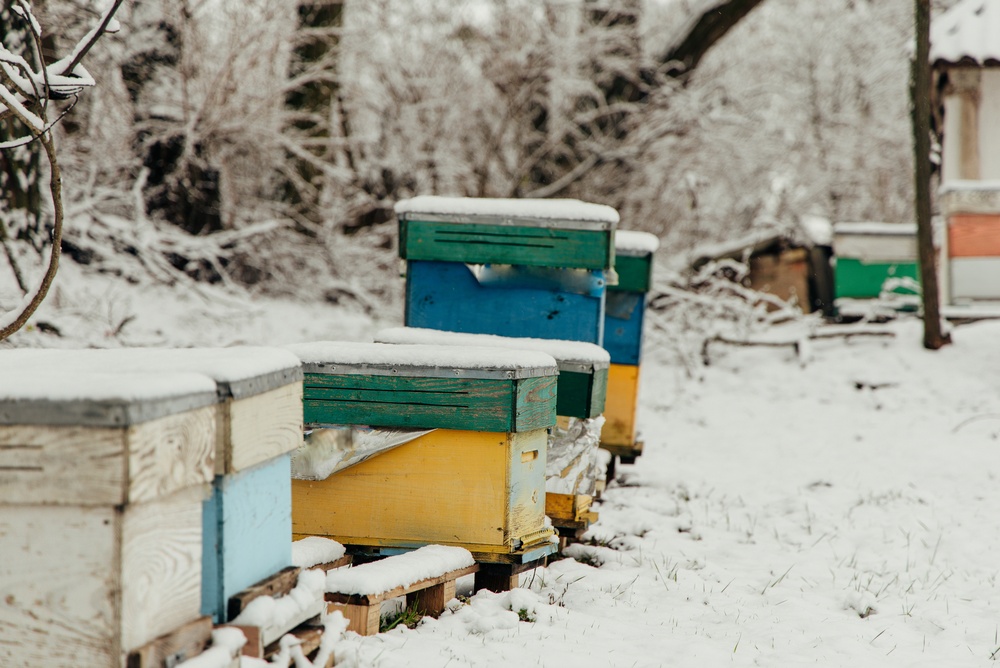
Photo Caption: Fallen leaves, standing stems and undisturbed soil can provide valuable winter habitat for native bees. A slightly messy fall garden may be more useful than a perfectly clean one.
What to Read Next
Give Bees and Butterflies a Drink: Create a Pollinator Water Station From Recycled Dishes
10 Selections That Attract Bees, Butterflies, and Beneficial Insects
Affordable Ways to Create Pollinator Habitats That Attract Bees and Butterflies
Leave a Reply