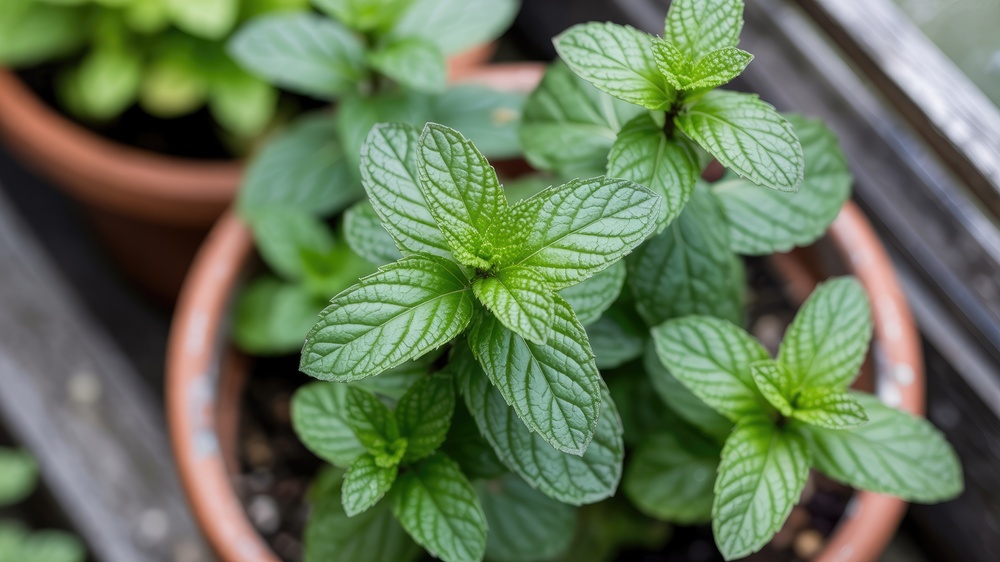
That rosemary plant may have cost $5 in spring, but after months of growth, throwing it away when cold weather arrives can feel like tossing money in the trash. Bringing potted herbs indoors can extend the harvest and help tender perennial herbs survive until next spring, but moving them straight from the patio to the kitchen isn’t the best strategy. Plants that have spent summer outside can carry tiny passengers that suddenly thrive once they’re inside your warm house. That’s why the most important step before bringing herbs indoors is inspecting and cleaning the plants before they ever join your indoor collection. A few minutes outside now can prevent weeks of chasing pests around your windowsills later.
Inspect Every Leaf Before the Pot Crosses the Door
Don’t give your herbs a quick glance from five feet away and assume they’re pest-free. Gardeners should examine the tops and undersides of leaves, containers, rims, crevices, and even the bottoms of pots before bringing plants inside. Look for insects, tiny eggs, webbing, holes, discolored leaves, and shiny or sticky honeydew that can signal pests such as aphids, mealybugs, or scale. A magnifying glass can help because spider mites and other pests may be difficult to see before populations become large. Do this inspection outdoors in good light, where dealing with whatever you discover is much easier.
Check the Soil and Pot, Not Just the Herb
The foliage isn’t the only place unwanted guests can hide. It’s a good idea to check the soil because insects such as ants and earwigs can move into containers kept outdoors. Flush pots with water when appropriate to help drive out hidden insects, and consider repotting when a serious soil-related problem warrants it. Wipe or wash dirt and debris from the outside, rim, drainage area, and saucer before bringing herbs indoors. There’s little benefit in carefully inspecting every basil leaf if an entire colony of unwanted insects is hiding underneath its container.
Give the Plant a Good Wash
A strong spray of water is one of the simplest tools available to frugal gardeners. Consider giving plants a thorough wash with water to knock off pests that may have escaped your inspection. Pay particular attention to leaf undersides and places where stems and leaves meet because small pests can shelter in protected areas. If a pest problem requires additional treatment, choose a product labeled for that plant, pest, and intended use and follow the label rather than improvising a homemade chemical mixture. This matters even more with herbs because you’re planning to eat what you’re growing.
Don’t Bring an Infestation Inside Just to Save $5
Frugal gardening doesn’t mean every plant must be rescued at any cost. If a cheap herb is heavily infested with scale, mealybugs, spider mites, or another difficult pest, replacing it next spring may be less expensive and frustrating than introducing the problem to a collection of healthy indoor plants. Severely infested plants sometimes aren’t worth the effort, and discarding them may be the better option. Another money-saving choice is taking healthy cuttings from suitable plants and propagating clean new plants rather than trying to overwinter a huge, struggling specimen. Evaluate the plant’s health before deciding that bringing herbs indoors automatically saves money.
Keep Returning Plants Away From Your Other Houseplants
Even a careful inspection can miss tiny insects or eggs. Try quarantining plants returning indoors in a separate area away from existing plants. Broader indoor pest guidance recommends isolating newly acquired plants for one to two weeks so previously unnoticed pest problems have time to become visible. Check the herbs whenever you water them, looking for new webbing, sticky residue, moving insects, leaf discoloration, or flying fungus gnats. It’s considerably easier to deal with aphids on one rosemary plant in a spare room than after they’ve spread throughout a sunny window full of plants.
Help Herbs Adjust Instead of Shocking Them
Going from bright outdoor conditions to a living-room windowsill is a major environmental change for a plant. It is recommended that you gradually acclimate container herbs in early fall so they can adjust to indoor temperatures and reduced light. Abrupt transitions can lead to yellowing, wilting, dieback, and other signs of stress. Move plants toward progressively shadier outdoor conditions when possible before their permanent move indoors, rather than waiting for a freezing night and rushing everything into the house. Some leaf loss after the move can still happen, so don’t automatically assume a stressed-looking plant is dying.
Make Sure You Actually Have Enough Indoor Light
Successfully bringing herbs indoors involves more than getting them through the front door. A south- or west-facing window providing at least five hours of sunlight for indoor herbs is best. Supplemental lighting may be necessary during winter to keep your plant at peak health. Many herbs need around six hours of direct sunlight, with rosemary, thyme, and bay among those that prefer strong light. Indoor herbs also generally grow more slowly, so avoid assuming they need the same watering routine they had outside during hot summer weather. A plant sitting in wet soil with insufficient winter light can develop problems even if it entered your house completely pest-free.
Your Best Winter Herb Garden Starts Outside
The smartest time to prevent an indoor herb problem is while every pot is still outdoors. Inspect leaves and stems closely, check the soil and container, wash the plant, and decide whether any existing infestation is really worth bringing inside. Then isolate returning plants temporarily and continue watching them for pests instead of immediately placing them beside your favorite houseplants. Give healthy herbs time to adjust to lower light, and choose the brightest appropriate indoor location you have once they’re ready for their winter home.
Are you bringing herbs indoors this fall, and which plants are you hoping to keep alive until spring? Share your overwintering plans in the comments.
What to Read Next
Bringing Houseplants Back Inside? Check These 6 Places for Bugs First
Houseplants Go Outdoors: “In-and-Out” Plants Come Back Inside in Fall
10 Houseplants That Love Being Brought Inside Now
This Tiny Pest Can Hitchhike Indoors on Your Houseplants This Fall
Why Are Gardeners Moving Houseplants Outdoors for the Summer?
Leave a Reply