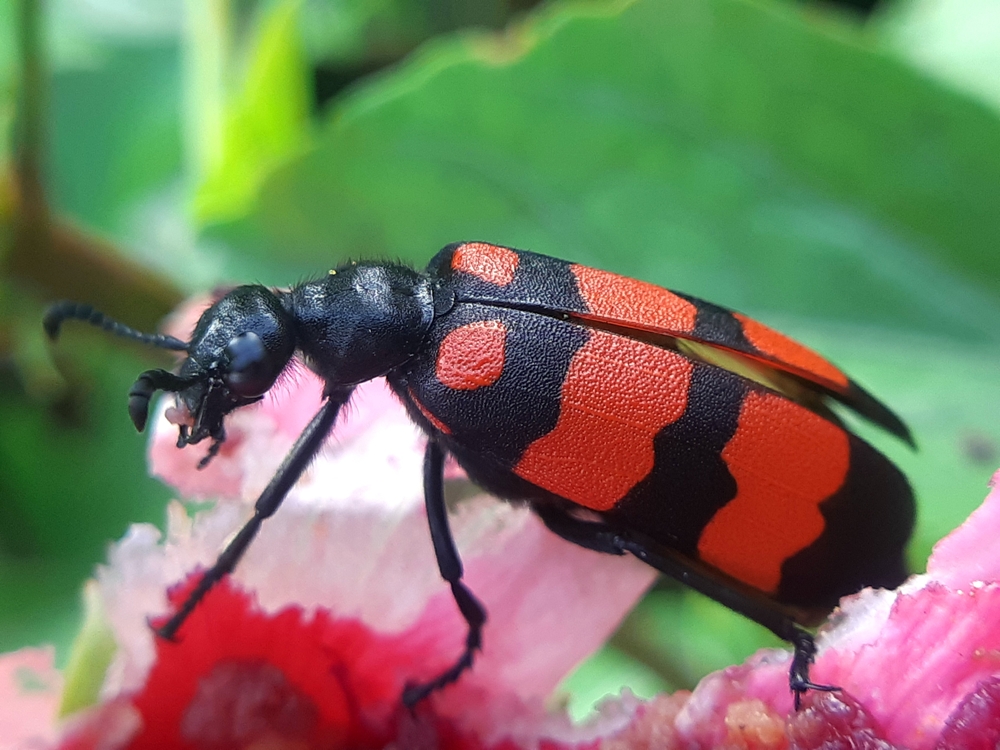
Gardeners are accustomed to squashing pests between their fingers, especially when an insect is chewing through a prized tomato plant. But there’s one garden visitor you definitely don’t want to crush with your bare hands: the blister beetle. These insects contain cantharidin, a potent chemical that can irritate skin and cause painful, fluid-filled blisters when the beetle is crushed or handled roughly. The University of Maryland warns that the chemical can blister human skin if a beetle is crushed against it, which explains the insect’s unsettling common name. Before grabbing the next unfamiliar beetle eating your vegetables, here’s how to recognize this pest and remove it without learning that lesson the painful way.
Blister Beetles Don’t Have Just One Look
Identifying a blister beetle can be tricky because the name applies to many different species rather than one unmistakable insect. About 250 species occur in the United States, with adults commonly measuring about one-half to three-quarters of an inch long. Depending on the species, they can appear black, gray, brown, yellow, striped, or marked along their edges, but their bodies tend to be elongated and relatively soft. NC State describes blister beetles as slender insects with prominent heads and lists black, black with yellow margins, and black-and-yellow striped forms among the types gardeners may encounter. Rather than identifying one solely by color, pay attention to its narrow, elongated body shape and get a positive identification before handling it.
The Beetle Doesn’t Have to Bite You
Here’s the unusual part: the skin injury associated with these insects isn’t really a beetle bite. Blister beetles contain cantharidin in their hemolymph, essentially the insect equivalent of blood, and the chemical may be released as a defensive response when they’re disturbed or crushed. The odorless blistering agent can produce temporary blisters after contacting human skin. Even pressure on the insect can trigger what’s known as reflex bleeding, releasing cantharidin from the beetle’s body. That’s why swatting a blister beetle that’s crawling across your arm can potentially be worse than gently getting it off.
Your Tomatoes Could Be What Attracted Them
Blister beetles aren’t merely hazardous insects wandering through the yard—they can also be legitimate garden pests. Adults feed on the foliage and flowers of tomatoes, potatoes, beets, chard, legumes, corn, melons, radishes, turnips, and other plants. Peppers, beans, peas, pumpkins, onions, spinach, carrots, sweet potatoes, and cabbage are also on the extensive list of vegetable hosts. Adults sometimes congregate in groups, which means gardeners can go from seeing no obvious problem to finding multiple beetles aggressively eating foliage. A large group can leave ragged leaves and even stunt plants, so ignoring an infestation isn’t always practical.
Wear Gloves if You’re Going to Handpick Them
Handpicking is one of the simplest approaches when only a few beetles are present, but this isn’t a job for bare fingers. Always wear gloves when handpicking adult blister beetles and dropping them into soapy water. Handling the insects can cause cantharidin to be released, and you should be careful not to touch exposed skin with contaminated gloves. Avoid squeezing or crushing the beetles as you remove them, even through gloves, and wash your hands afterward.
Poison Control advises against touching, provoking, handling, or crushing blister beetles and recommends gently blowing one away if it lands on you. If contact occurs, wash the exposed skin with soap and water and avoid touching your eyes or other areas until your hands are thoroughly cleaned. Cantharidin exposure can cause irritation and painful blistering, although limited skin exposures generally aren’t life-threatening. Eye exposure, ingestion, significant reactions, or other concerning symptoms warrant professional medical advice rather than a home gardening remedy.
There’s a Strange Beneficial Side to This Pest
Before declaring every blister beetle an enemy, there’s an interesting twist to its life cycle. While adults can devour garden plants, the larvae of several species feed on grasshopper eggs, making the immature insects potentially beneficial. Newly hatched larvae actively search for grasshopper egg masses and feed on them as they develop. That relationship also means blister beetle populations can sometimes be more noticeable where grasshoppers have been abundant. It’s a good example of why garden insects don’t always fit neatly into “good bug” and “bad bug” categories.
Don’t Spray the Entire Garden Without Thinking It Through
Seeing a cluster of blister beetles can make reaching immediately for an insecticide tempting, but start by assessing how serious the damage actually is. Small numbers may be manageable by carefully handpicking them with gloves and placing them in soapy water, while a substantial infestation may require additional control. Only use an insecticide registered for the affected plants and follow label instructions when chemical control is necessary. Broad insecticide use can affect other insects, including beneficial species and pollinators, so treating more of the garden than necessary can create another problem while solving the first. For a frugal gardener, accurate identification and targeted control can also prevent spending money on products that weren’t needed.
This Is One Garden Pest You Shouldn’t Squish
The blister beetle is unusual because the insect can damage your vegetables and your skin without biting or stinging you. Its defensive chemical, cantharidin, can escape when the beetle is crushed or disturbed, making the instinctive bare-handed squish a particularly bad pest-control strategy. Learn its elongated shape, watch tomatoes and other susceptible plants for groups of feeding adults, and wear gloves if hand removal becomes necessary. If one lands directly on you, gently remove or blow it away instead of crushing it against your skin, then wash any exposed area.
Have you ever spotted blister beetles in your garden—or accidentally handled an insect that made you regret touching it? Share your experience in the comments.
What to Read Next
The Messy Garden Habit That Could Help Bees Survive Winter
This Tiny Pest Can Hitchhike Indoors on Your Houseplants This Fall
The $5 Plant at the Clearance Rack Could Be a Bargain — Or Bring Home a Pest Problem
Leave a Reply