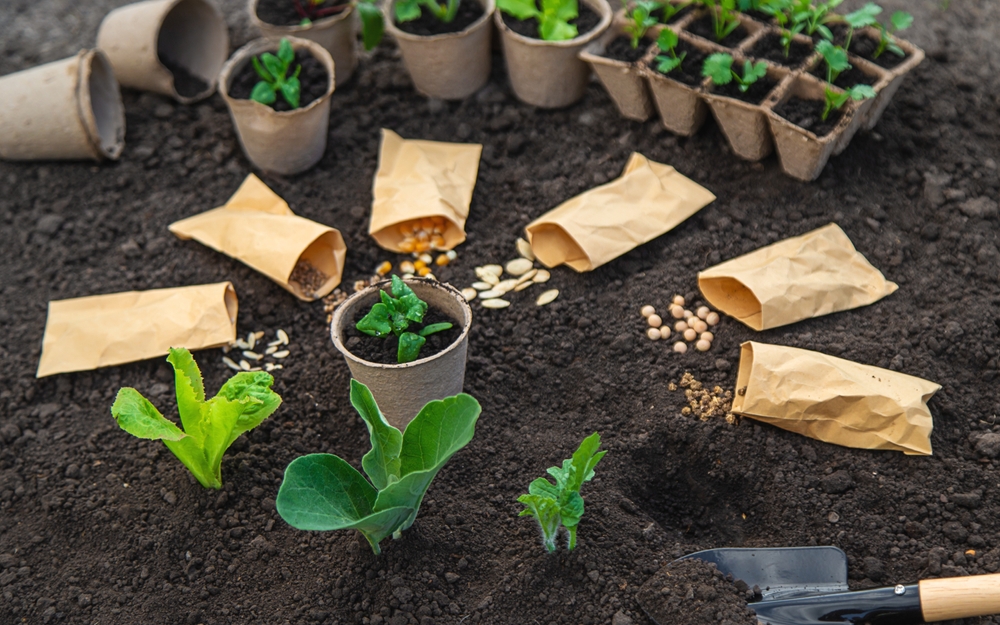
Winter gardening is not a silent, sleepy affair. In fact, it’s a full-on, muddy adventure that can make the difference between a thriving spring garden and a patch of regret. The secret to success? Soil that’s ready to face frost, snow, and chilly winds while still giving your plants the nutrients they crave.
If your garden is currently sporting a tired, lifeless dirt patch, it’s time to rethink your soil strategy. Winter planting isn’t just possible—it can be downright exhilarating with the right mix in place.
Understanding Soil Composition And Why It Matters
Soil isn’t just dirt—it’s a living, breathing ecosystem that your plants depend on. The three main players are sand, silt, and clay, and their ratios determine how well your soil drains, retains nutrients, and supports roots. Sandy soil drains quickly but struggles to hold nutrients, while clay soil is nutrient-rich but can suffocate roots if too compacted. Loam, the golden child of soils, strikes the perfect balance and is ideal for winter planting. Knowing what you’re working with is the first step to creating a garden that thrives even when the thermometer dips.
Testing Your Soil Before Winter Hits
A soil test is like a crystal ball for gardeners—it tells you what’s missing and what’s abundant. You can pick up an easy kit at any garden center or send samples to your local extension office for a detailed report. Key factors to test include pH, nitrogen, phosphorus, and potassium levels, along with organic matter content. If your soil is too acidic or too alkaline, many winter crops will struggle to grow. Testing gives you a precise roadmap so you can adjust your mix rather than guessing and hoping for the best.
Adding Organic Matter For Cold-Weather Resilience
Compost, aged manure, and leaf mold aren’t just trendy—they’re your secret weapons against frost. Organic matter improves soil structure, helps retain moisture, and feeds beneficial microbes. During winter, these microbes remain active, slowly releasing nutrients that your plants can use even under snow. Incorporating at least two inches of organic material into the topsoil can transform tired soil into a winter-ready powerhouse. The more you enrich your soil, the better your plants will withstand cold snaps and unpredictable weather.
Choosing The Right Amendments For Winter Planting
Not all soil amendments are created equal, especially when frost is on the horizon. Perlite and vermiculite improve drainage without making the soil too loose, while sand can help break up heavy clay. Sulfur or lime can correct pH imbalances that could stunt plant growth in cold months. Bone meal or rock phosphate gives slow-release nutrients that winter vegetables crave. Picking the right amendments is like giving your garden a winter coat—it keeps it cozy and productive all season long.
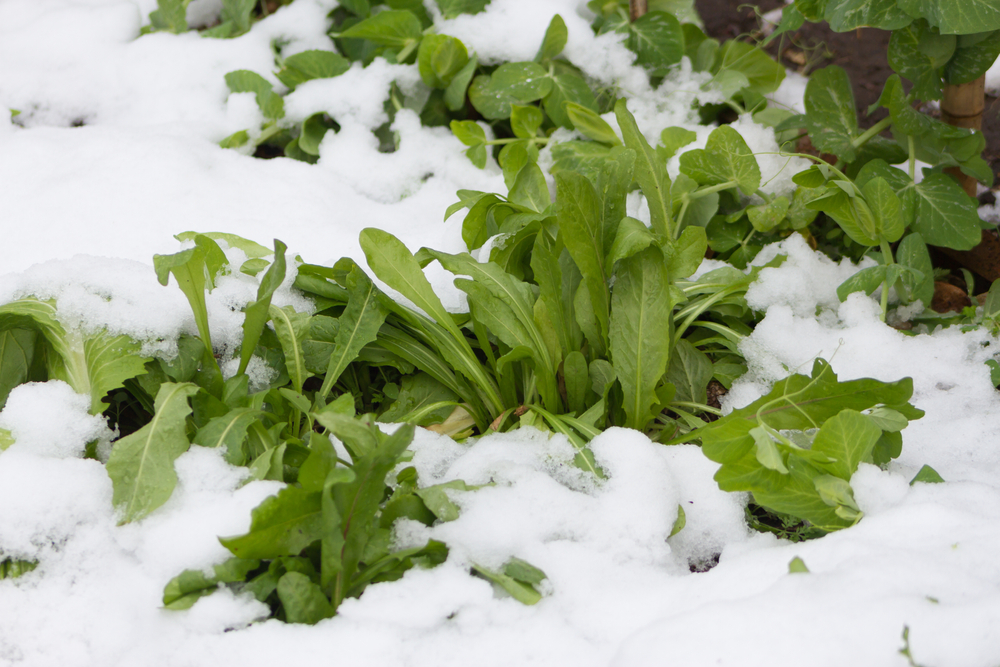
Mulching: Your Soil’s Winter Blanket
Mulching isn’t just for aesthetics—it’s a practical strategy to protect roots and maintain soil temperature. Straw, shredded leaves, or bark chips act as insulation, keeping the ground from freezing too deeply. Mulch also prevents nutrient loss and reduces erosion caused by winter rains or snowmelt. Applying a thick, even layer in late fall ensures that your soil is cushioned when temperatures plunge. A well-mulched garden can wake up in spring with soil that’s ready to fuel a spectacular growing season.
Avoiding Common Soil Mistakes
Even experienced gardeners can fall into traps that sabotage winter planting. Over-tilling can destroy soil structure and beneficial microbes, while neglecting pH adjustments can stunt growth before it begins. Using fresh, uncomposted manure may introduce pathogens or burn plant roots. Forgetting to check drainage can leave your plants waterlogged and miserable when winter rains arrive. By staying vigilant and correcting these issues early, you give your garden the best shot at thriving through the cold months.
Planning Ahead For Spring Success
Winter planting is really about setting the stage for a brilliant spring garden. Cold-tolerant crops like spinach, kale, and garlic benefit from soil that’s been nourished and structured ahead of time. A healthy winter soil mix will reduce disease risk, improve plant resilience, and give you bigger harvests when the frost melts. Incorporating cover crops can also prevent erosion, fix nitrogen, and build organic matter while you wait. Strategic planning now ensures that your soil isn’t just surviving winter—it’s preparing to flourish come spring.
Join The Conversation About Winter Soil Mixes
Winter gardening starts from the ground up—literally. Understanding your soil, enriching it with the right amendments, and protecting it with mulch are all essential steps to ensure your plants thrive. Avoiding common mistakes and testing your soil regularly keeps your garden healthy and productive, even in cold weather.
With a little preparation, your garden can become a winter wonderland of growth and resilience. We’d love to hear your thoughts and experiences about winter soil.
You May Also Like…
8 Shrubs With Colourful Bark You’ll Love in Winter Landscapes
6 Vegetable Varieties That Shoot Up Winter Harvests
11 Winter Flowering Bulbs to Plant in December
13 Indoor Plants to Rescue and Overwinter from the Garden
The Secret to Maintaining Soil Health Under Snow

Brandon Marcus is a staff writer for FrugalGardening.com at District Media, Inc., where he delivers practical gardening advice with a relatable, no-nonsense style. An avid amateur gardener, he holds a BA degree and with over ten years of professional writing experience, he is also an award-winning published author whose first book, Questions For Deep Thinkers, was released by Adams Media. His work has appeared in major publications including Fandom.com, CHUD.com, TheColdWire.com, and Fansided.com.
Leave a Reply