
Winter isn’t just about cozy blankets, hot cocoa, and Instagram-worthy snowflakes—it’s also about your garden. While many gardeners panic at the first frost, snow and ice are not always the villains in your backyard story. In fact, these frozen elements can be surprising allies, offering protection, nourishment, and even a bit of magic for your plants.
But if you’re imagining all that ice simply crushing your shrubs and freezing your flowers to oblivion, it’s time for a reality check.
Snow Acts As A Natural Blanket
When snow covers your garden, it’s doing more than making your yard look like a postcard. That fluffy white layer acts like insulation, keeping soil temperatures more stable than you’d expect. Roots and bulbs tucked under snow are shielded from harsh wind and extreme cold. Without this protective layer, your plants are more exposed to freeze-thaw cycles that can damage their roots. So, while it may seem counterintuitive, a good snow cover is basically a cozy winter coat for your garden.
Ice Can Protect Soil Moisture
A thin layer of ice might look menacing, but it actually serves a purpose for your soil. As ice melts slowly, it provides a gradual release of water into the ground. This slow hydration is far gentler than sudden heavy rains, which can wash away nutrients. Ice also reduces evaporation, keeping the soil moist during the dry winter months. In this way, ice becomes an unassuming helper rather than a destroyer.
Cold Temperatures Encourage Dormancy
Many gardeners dread freezing temperatures, thinking plants will suffer irreparable harm. However, dormancy is a vital part of the plant life cycle, triggered by cold. This winter sleep allows plants to conserve energy and emerge stronger in spring. Without that period of rest, many perennials and shrubs wouldn’t thrive year after year. So frost isn’t a threat—it’s nature’s way of telling your garden to take a deep breath.
Snow Improves Soil Quality
As snow melts, it slowly seeps into the ground, carrying small amounts of nitrogen from the atmosphere. This natural fertilizer boosts soil fertility without the need for chemical additives. Unlike heavy rains that can strip nutrients, snow provides a gentle, steady infusion. Over the winter, this process enriches the soil and prepares it for the coming growing season. Your garden essentially gets a quiet makeover while it sleeps under a white blanket.
Ice Can Strengthen Plants
While ice may seem destructive, it can actually encourage plants to toughen up. When branches endure a layer of frost, the plant responds by producing protective compounds. These compounds improve resilience against disease, pests, and future cold snaps. Certain hardy vegetables like kale and spinach even taste sweeter after frost exposure. In this unexpected twist, ice is not an enemy but a teacher, helping plants build strength.
Snow Reduces Pest Problems
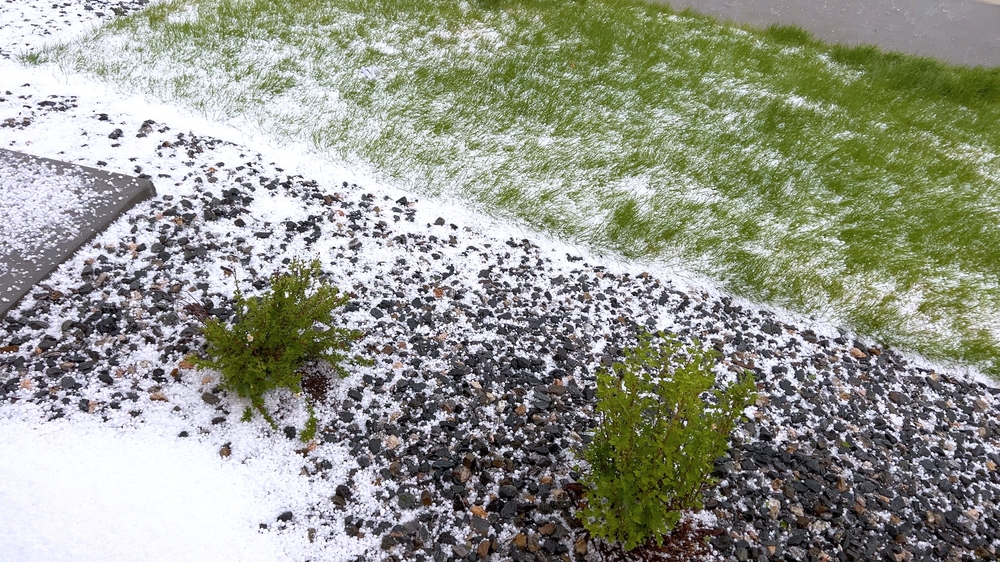
Believe it or not, snow and ice are also pest control tools. Many insects and larvae can’t survive the deep freeze, reducing infestations in spring. Without this natural reset, you might face a garden full of hungry critters once temperatures rise. Even slugs and snails struggle when the ground is frozen solid. So when winter seems harsh, remember it’s also giving your garden a clean slate.
When Snow And Ice Become A Problem
Of course, not all snow and ice scenarios are beneficial. Heavy ice storms can break branches and damage delicate shrubs. Frost heaving can push bulbs and roots out of the soil, making them vulnerable. Wind-driven ice can strip bark and harm young trees. Understanding when intervention is needed is key to keeping your garden healthy. With careful observation and a few protective measures, you can prevent damage while still letting nature work its winter magic.
Tips For Winter Garden Protection
Simple steps can help your garden thrive despite snow and ice. Cover tender plants with burlap or frost cloths to shield them from extreme ice. Mulching adds another layer of insulation for roots and soil. Keep an eye on heavy snow accumulation, gently shaking off excessive weight from branches. Avoid walking on frozen garden beds to prevent soil compaction. These small actions ensure that winter remains a season of growth and resilience, rather than destruction.
Share Your Winter Garden Experiences
Winter isn’t the enemy—it’s a season of quiet growth, protection, and preparation for the explosion of life that comes in spring. Snow and ice are more allies than adversaries, providing insulation, moisture, nutrient boosts, and even pest control. By understanding the real impact of winter elements, gardeners can embrace this season instead of fearing it.
What’s your experience with snow, ice, or frost in your garden? Share your stories, tips, or surprises in the comments section below—we’d love to hear how your garden weathers the winter!
You May Also Like…
The Garden Fence Test: How to Tell If Yours Will Survive the Snow
The Watering Schedule That Saves Roots — and Prevents Ice Damage
The Bed-Cleaning Trick That Makes Your Compost Work Twice as Fast
The Secret to Maintaining Soil Health Under Snow
Why Snow Cover Protects Soil Life

Brandon Marcus is a staff writer for FrugalGardening.com at District Media, Inc., where he delivers practical gardening advice with a relatable, no-nonsense style. An avid amateur gardener, he holds a BA degree and with over ten years of professional writing experience, he is also an award-winning published author whose first book, Questions For Deep Thinkers, was released by Adams Media. His work has appeared in major publications including Fandom.com, CHUD.com, TheColdWire.com, and Fansided.com.
Leave a Reply