A sudden cold snap can turn even the most confident gardener into a frantic weather-app refresher. One moment your plants are thriving, and the next you’re wondering if they’ll wake up tomorrow looking like botanical popsicles. Winter has a way of sneaking in with icy surprises, testing both your patience and your preparation.
With the right strategies, you can turn a potentially disastrous freeze into nothing more than a minor inconvenience—and maybe even feel like the hero of your backyard kingdom.
Understanding How Frost Damages Plants
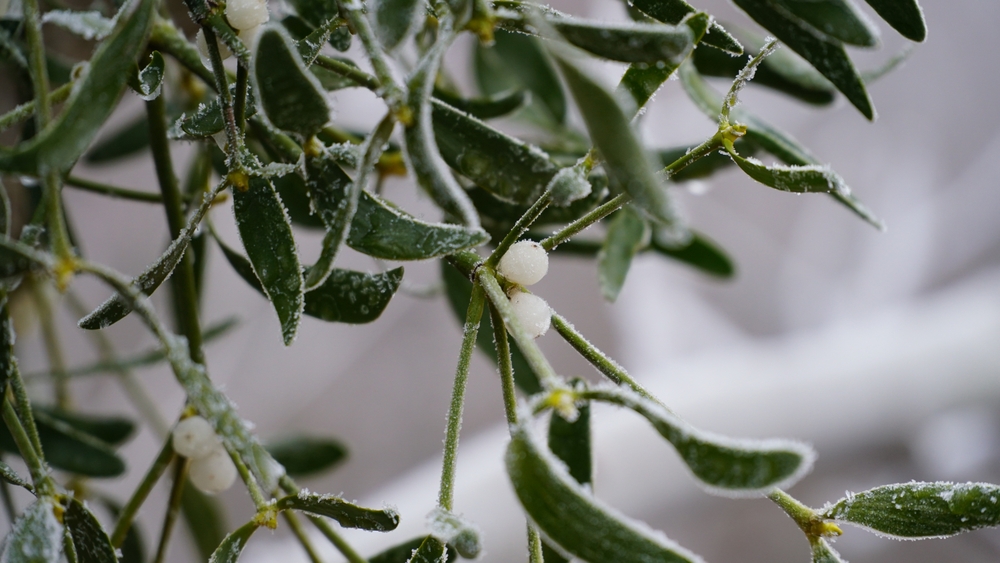
When temperatures drop below freezing, the water inside plant cells begins to crystallize, causing the cell walls to rupture and the plant tissue to collapse. The results are those dreaded wilted leaves and blackened stems that make a once-lively garden look defeated. Different plants tolerate cold differently, which means some will bounce back while others may never recover. Understanding how frost attacks helps you know which plants need urgent protection and which are hardy enough to tough it out. Once you get familiar with these vulnerabilities, you can craft a smarter freeze-survival plan.
Choosing The Right Plant Covers
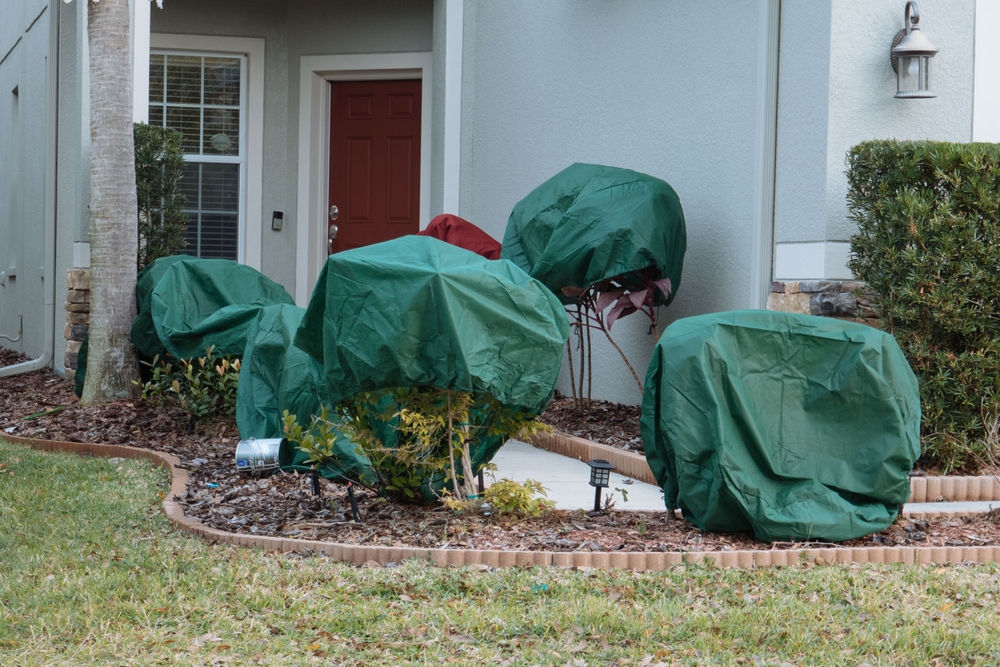
Using covers is one of the simplest and most effective ways to protect your garden during a freeze. Lightweight fabrics like sheets or frost cloths trap ground heat while allowing plants to breathe. Heavier tarps create warmth but need to be propped up so they don’t crush delicate leaves or stems. Whatever you choose, the key is covering plants before temperatures plummet and removing the material in the morning to let in sunlight. Done properly, a simple cover can make the difference between a thriving garden and a frost-shocked disaster.
Watering Strategically Before The Cold Hits
Oddly enough, watering your plants before a freeze can actually help them survive. Moist soil holds heat better than dry soil, which means it radiates warmth upward during the coldest hours of the night. This protective heat can prevent root damage and help stabilize plant temperature. However, you should avoid soaking the plants themselves, because wet foliage is prone to frost damage. When watered smartly, your soil becomes an unexpected ally during icy weather.
Using Mulch As A Winter Shield
Mulch acts like a cozy blanket for your garden, insulating the soil and preserving warmth around the root zone. A thick layer—whether straw, wood chips, or shredded leaves—helps prevent rapid temperature swings that stress plants. Mulch is especially helpful for young or shallow-rooted plants that can’t handle sudden cold shocks. As the freeze passes, the mulch continues to benefit your garden by preventing erosion and keeping moisture levels steady. This simple investment can dramatically increase your plants’ chance of survival.
Bringing Containers And Potted Plants Indoors
Potted plants are much more vulnerable to freezing weather because their roots are exposed to cold air on all sides. Moving them indoors, onto a porch, or into a garage gives them a safer, more stable environment. Even a small shift in temperature can save them from frostbite and root damage. If you can’t bring them inside, wrapping the pots with insulating material helps, though bringing them in is always the best option. Treat container plants like guests during a cold snap—they need extra comfort and attention.
Creating Microclimates Around Sensitive Plants
Every garden has hidden warm zones, such as spots near walls, under eaves, or beside large rocks that absorb heat during the day. These microclimates can give vulnerable plants the extra few degrees they need to make it through a freeze. Rearranging your garden layout temporarily can be surprisingly effective in harsh conditions. Even placing a few strategic windbreaks reduces the bite of freezing air. Once you start noticing how your backyard stores and radiates warmth, you can position your plants wisely and improve their survival odds.
Using Heat Sources Safely In The Garden
When temperatures plummet, a little supplemental heat can make a huge difference. Gardeners sometimes use outdoor-rated lights, heat lamps, or even simple holiday string lights to warm the air around delicate plants. The key is using heat safely and avoiding fire hazards by keeping electrical components dry and stable. Even a few degrees of added warmth can prevent frost formation on leaves and stems. Used carefully, these heat tricks can save plants that would otherwise struggle through the night.
Knowing When To Prune And When To Wait
After a freeze, your instinct might be to prune damaged leaves right away, but patience is your friend. Damaged foliage can actually protect plants from additional frost, acting like a sacrificial barrier. Wait until the weather warms and new growth begins before making cuts, allowing the plant to recover naturally. Pruning too early can expose healthy tissue to further harm. By resisting the urge to tidy up immediately, you give your plants the best chance to heal.
Preparing For Future Freezes Before Winter Arrives
The best freeze protection begins long before the temperature drops. Choosing cold-hardy varieties, improving soil health, and planning your garden layout all contribute to freeze resilience. When you think ahead, you’re not scrambling last minute to save plants—you’re already several steps ahead of the weather. This kind of preparation reduces stress and boosts your garden’s overall strength. The more proactive you are, the more confidently your garden will face winter’s fiercest punches.
Protecting Your Garden Starts With Smart Planning
Surviving a freeze isn’t about luck—it’s about preparation, awareness, and a little extra effort. When you know how frost affects plants and use the right protective measures, your garden can weather the cold with surprising resilience. Each small action helps create a safer environment for your plants, no matter how low the temperature drops.
And what about you? Have you tried any of these methods during a recent freeze? Share your thoughts and stories below for others.
You May Also Like…
9 Types of Mulch That Best Protect Roots from Winter Freeze
Protecting Garden Tools from Rust and Freeze Is More Important Than You Think
Your Irrigation System Needs One Thing Before It Freezes Solid
How to Wrap Shrubs Like a Pro and Keep Them Safe from Frost
Why Soil Tilth Improves After Frost

Brandon Marcus is a staff writer for FrugalGardening.com at District Media, Inc., where he delivers practical gardening advice with a relatable, no-nonsense style. An avid amateur gardener, he holds a BA degree and with over ten years of professional writing experience, he is also an award-winning published author whose first book, Questions For Deep Thinkers, was released by Adams Media. His work has appeared in major publications including Fandom.com, CHUD.com, TheColdWire.com, and Fansided.com.
Leave a Reply