Beneath the winter’s silent, frosty blanket, a hidden world is wide awake. While we’re sipping cocoa by the fire, the soil under our feet is not sleeping; it’s throwing a microscopic gala, conducting a symphony of biological processes, and laying the groundwork for spring’s explosion of life. Forget dormancy—this is the season of secret soil society. Understanding and nurturing this underground winter world is the key to unlocking a thriving garden when the thaw finally arrives.
The Winter Soil Is Not Dead
It’s a common misconception that soil biology hits the pause button when temperatures drop. In reality, a fascinating shift occurs. While some organisms slow down, many bacteria, fungi, and microbes remain active, especially in the insulating layer just above the frozen ground. Earthworms retreat downward, creating tunnels that will later aerate the soil. This microbial workforce is crucial for breaking down the last of the autumn organic matter, slowly converting it into plant-available nutrients. Their quiet work is the first step in the spring feeding cycle. A bustling winter soil biome is a sign of a truly resilient ecosystem.
Snow Is An Insulating Superhero
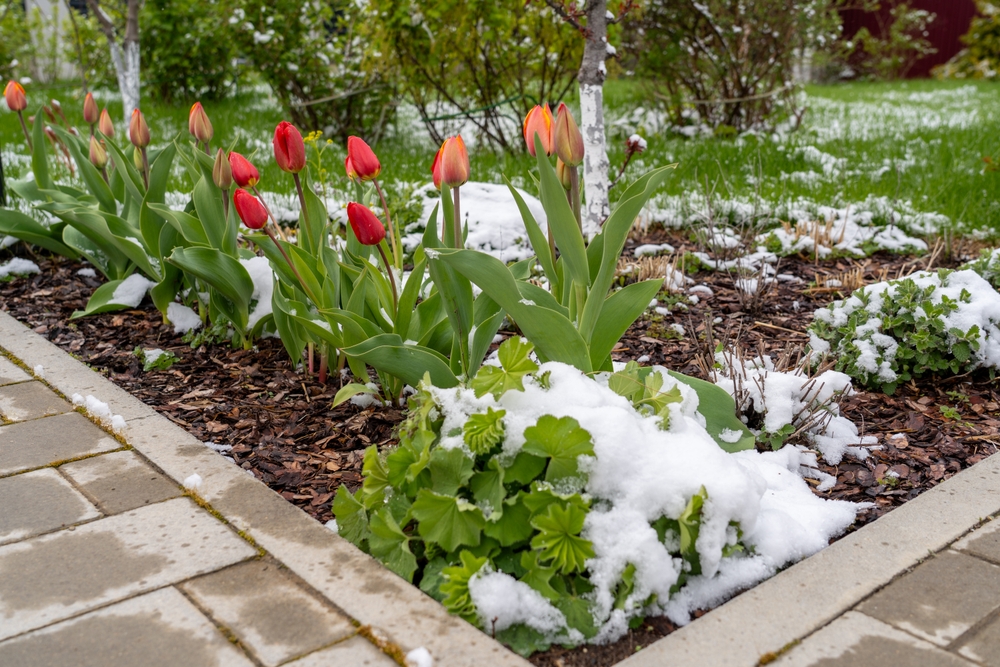
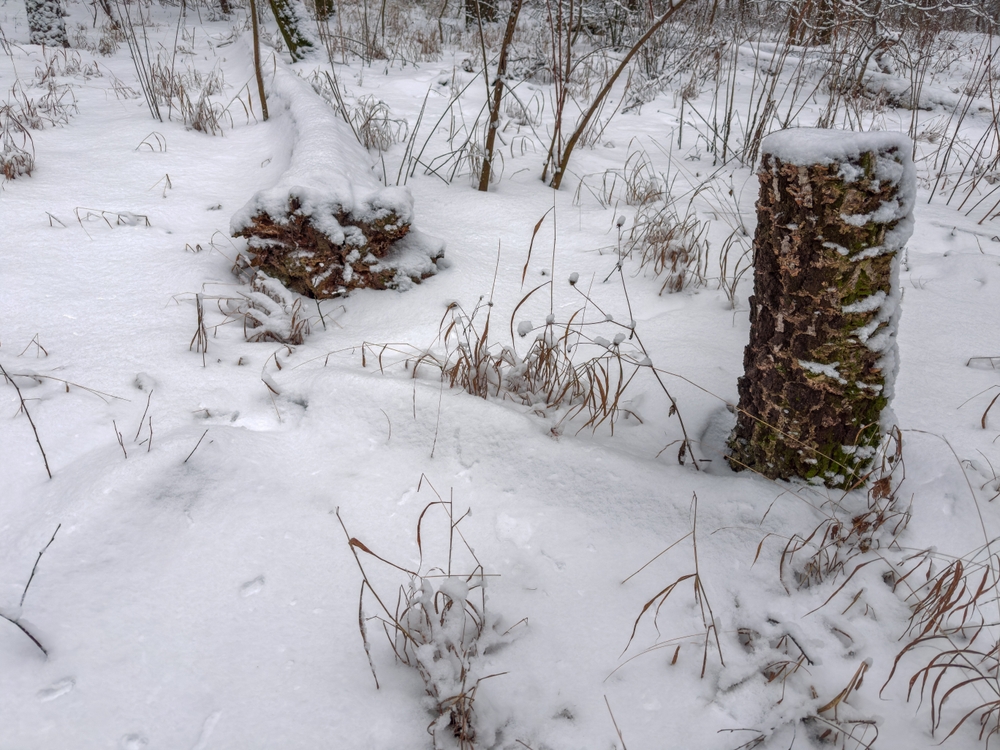
That fluffy white layer is far more than just a pretty cover; think of it as nature’s perfect down comforter. A consistent blanket of snow maintains a surprisingly stable soil temperature, preventing the dramatic freeze-thaw cycles that can heave plant roots and disrupt soil structure. This stable environment protects delicate fungal networks, known as mycorrhizae, which form symbiotic relationships with plant roots. Without snow, bitter cold can penetrate deeper, risking the life of these vital organisms. By safeguarding the soil’s physical and biological structure, snow ensures your garden wakes up rested, not ravaged.
Feed The Underground Party
You can be an active participant in the winter soil celebration by providing a late-autumn feast. Apply a layer of compost or well-rotted manure to the surface of your garden beds after the ground is cold but before it’s fully snow-covered. This acts like a slow-release buffet for soil organisms throughout the winter. You can also leave the stems of perennials and ornamental grasses standing; they trap precious snow and provide habitat for beneficial insects. A top-dressing of shredded leaves or straw offers both food and insulation. This practice, often called “putting the garden to bed with a full stomach,” fuels the entire underground system.
Beware The Bare Ground
One of the worst states for soil in winter is to be left naked and exposed. Bare soil is vulnerable to erosion from winter winds and rains, and it experiences more severe temperature swings. The pounding of rain on bare earth can also lead to compaction, destroying the precious air pockets creatures need. This is where cover crops, or “green manure,” like winter rye or crimson clover, become heroes. Planted in fall, they anchor the soil, prevent erosion, and their roots continue to improve soil structure. In spring, they are turned in, adding a massive dose of organic matter.
Minimize Compaction Chaos
Resist the urge to trek repeatedly over your garden beds once they are snow-covered. That beautiful insulation layer can hide a problem: the soil underneath may not be fully frozen, especially early in the season. Walking or driving over it compresses those vital air pores and can damage soil life. Establish clear paths and stick to them. If you must access an area, wait for a deep, consistent freeze or spread a protective layer of mulch on pathways beforehand. Your frozen soil will thank you by being beautifully crumbly and well-aerated come spring.
The Great Thaw And Spring Preview
As daylight lengthens and temperatures creep upward, the secret work of winter becomes spectacularly visible. Healthy soil under snow will thaw evenly, absorbing meltwater like a sponge rather than shedding it in muddy rivulets. You’ll find the earth is loose, fragrant, and teeming with visible earthworms and life—a stark contrast to the hard, lifeless pan that unhealthy soil becomes. This is the ultimate reward for your off-season stewardship: a head start on planting in soil that is already nutrient-rich and biologically primed for growth.
Give Us Your Winter Garden Tales
Now you’re in on the secret—the vibrant life and careful prep happening right under the snowdrifts. But every garden has its own story. Do you have a winter soil ritual, or a surprising discovery you made once the snow melted? Maybe you’ve witnessed the incredible difference a snow blanket makes on your spring blooms. We’d love to hear from you! Drop your thoughts, stories, or questions in the comments section below and let’s swap secrets for a spectacular spring.
You May Also Like…
Why Root Crops Crack In Cool Wet Soil
Leaf Mold Gold: Turning Yard Waste into Next Year’s Best Soil
How Soil Structure Shifts After Heavy Autumn Rains
Why You Need to Check Soil Drainage Before the First Freeze
Why You Should Build Trellises and Pergolas During Winter Downtime

Brandon Marcus is a staff writer for FrugalGardening.com at District Media, Inc., where he delivers practical gardening advice with a relatable, no-nonsense style. An avid amateur gardener, he holds a BA degree and with over ten years of professional writing experience, he is also an award-winning published author whose first book, Questions For Deep Thinkers, was released by Adams Media. His work has appeared in major publications including Fandom.com, CHUD.com, TheColdWire.com, and Fansided.com.
Leave a Reply