• Skip to primary navigation
  • Skip to main content
  • Skip to primary sidebar

Frugal Gardening

Simple ways to save money while you garden

  • About
  • Contact Us
  • Garden Frugally
  • Buy These
  • Our Editorial Commitment
  • Navigation Menu: Social Icons

    • Facebook
    • Pinterest
    • Twitter

5 Free Garden Marker Ideas to Keep Track of Plants

April 13, 2020 by Steph Coelho Leave a Comment

free garden marker ideas

Why should you consider these free garden marker ideas? I don’t care how great your memory is, find a way to label all of your seedlings and transplanted crops—knowing what you’ve planted (and where) is equally important when you’re direct-sowing. If you forget to label the spot where you’ve just sown seeds, you might accidentally sow again in the same area. It’s a waste of time and seed. You might also mistake seedlings for weeds. An experienced gardener can usually tell the difference, but if you’re new to the hobby, you might end up pulling up precious starts thinking they’re garden invaders.

Labeling plants doesn’t have to be a difficult or costly ordeal. There are plenty of ways to label plants without spending a penny. Here are five free garden marker ideas for your outdoor oasis.

Free Garden Marker Ideas

Popsicle sticks

These are ultra-cheap, and you’ve likely got some stowed away in a cupboard somewhere. If you’re not an artsy type and don’t have a craft cupboard, try saving leftover popsicle sticks after devouring summer treats. All you need is a permanent marker to label each stick.

Masking tape 

I use this for indoor plants and seedlings when I’ve run out of the standard plastic plant markers. Just be careful not to get masking tape wet.

Stones

I don’t suggest creating permanent garden markers that cannot be moved. Markers should be easy to transfer to different areas of the garden. It’s best to rotate crops (even in a small garden!) and avoid planting them in the same spot year after year. Get creative and paint stones to mark your garden crops. They’re incredibly durable (duh!), and you can have fun with designing them. If you don’t have stones nearby, you can order a set on Amazon and get them delivered for free to your home.


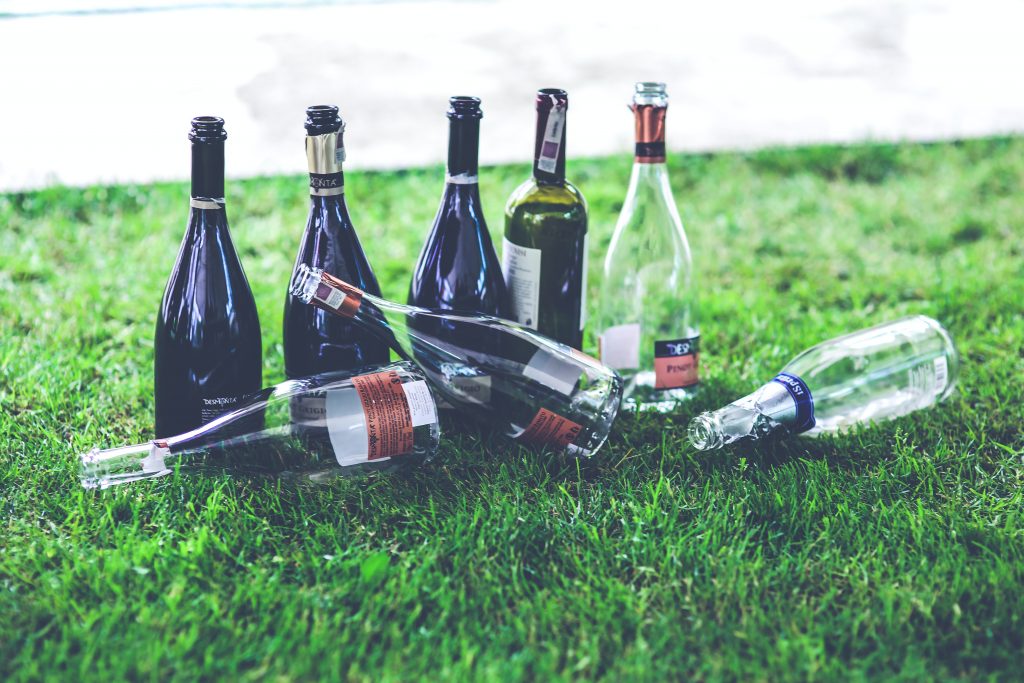
Recycled bottles

Have a bunch of leftover wine bottles? Don’t toss them in the recycling bin! Use them in the garden. Fill them with water and pop them next to thirsty plants or paint and label them to keep track of what you’re growing where.

Seed packets

Laminate and mount empty seed packets on wooden or metal sticks and enjoy a garden marker that contains all of the reference info you need to grow a particular plant.

Fall Cleanup

Even the most durable garden markers (e.g., stones) shouldn’t be left in the garden over the winter. Remember to bring everything in at the end of the season. Store your garden markers away from the harsh elements to keep them in tip-top shape year after year.

Need more ideas? Check out this video that contains a slew of ideas for creating garden markers for your outdoor growing space.

https://www.youtube.com/watch?v=BMTLvRsmEZc

Photograph of Steph Coelho.
Steph Coelho

Steph Coelho is a freelance writer gardening in zone 5b. She is a certified Square Foot Gardener and has taught various garden-related workshops. When she’s not digging in the dirt or writing, she’s cooking up fresh produce, running, or listening to her favorite podcasts.

Filed Under: garden markers Tagged With: DIY, garden DIY, garden markers, plant markers

Previous Post: « Victory Garden Planning during a Pandemic
Next Post: 5 Ways to Banish Weeds Without Breaking the Bank »

Reader Interactions

Leave a Reply Cancel reply

Your email address will not be published. Required fields are marked *

Primary Sidebar

Struggling to get your garden off the ground? Put those days behind you with our special starter kit – perfect for thrifty green thumbs everywhere. Get growing and add a splash of color today!

Popular Posts

  • usda free seeds websiteHow To Get Free Seeds From The Government by Amanda Blankenship Seeds might seem like a small expense, but any seasoned…
  • Enviro Ice On PlantsShould I Use Enviro Ice On My Plants? by Kathryn Vercillo Every week, I receive food from Hungryroot. It's a great…
  • is shredded paper good for the gardenFrom Trash to Treasure: Transform Shredded Paper Into Garden Gold by Amanda Blankenship Should you use shredded paper as garden mulch? It might…
  • Enviro IceWhat Happens to Plants If You Use Enviro Ice on Them? by Amanda Blankenship About a year ago, I wrote our first article about…
7 Ways to Prepare a Garden Shed for Fall Without Buying Organizers

7 Ways to Prepare a Garden Shed for Fall Without Buying Organizers

Fall has a funny way of exposing every bad decision made in a garden shed since spring. A shovel ends up behind three bags of potting mix, twine develops an impressive relationship with the pruning shears, and somebody puts the hose nozzle somewhere so mysterious that it may require an archaeological dig. Preparing the shed…

Read More

What Should You Do With Cornstalks Before They Turn Brittle?

What Should You Do With Cornstalks Before They Turn Brittle?

Cornstalks look impressive for about five minutes after the last ears come off. Then they start turning into a towering collection of dry leaves, tough stems, and garden debris that somehow seems determined to make cleanup harder. The smartest time to deal with corn plants comes before those stalks become completely dry and brittle, because…

Read More

Why Are Your Grapes Splitting Just as They Begin to Ripen?

Why Are Your Grapes Splitting Just as They Begin to Ripen?

A grapevine can spend months producing a beautiful crop, only to turn into a tiny fruit-cracking factory right when those grapes start looking delicious. Grapes often split near ripening because the berries suddenly take on water faster than their skins can stretch, especially after a dry spell followed by heavy rain or deep watering. Splitting…

Read More

6 Crops That Benefit From Cooler Nights More Than Cooler Days

6 Crops That Benefit From Cooler Nights More Than Cooler Days

Some garden crops do not need the daytime temperature to drop much to appreciate relief. They simply want the sun to clock out, the air to cool down, and the garden to get a little breathing room. For certain warm-season vegetables and fruits, cooler nights can support flowering, fruit development, flavor, and overall plant performance…

Read More

  • About
  • Contact Us
  • Garden Frugally
  • Buy These
  • Our Editorial Commitment
  • Navigation Menu: Social Icons

    • Facebook
    • Pinterest
    • Twitter
  • Facebook
  • Pinterest
  • Twitter

Copyright © 2026 · Foodie Pro & The Genesis Framework