• Skip to primary navigation
  • Skip to main content
  • Skip to primary sidebar

Frugal Gardening

Simple ways to save money while you garden

  • About
  • Contact Us
  • Garden Frugally
  • Buy These
  • Our Editorial Commitment
  • Navigation Menu: Social Icons

    • Facebook
    • Pinterest
    • Twitter

Victory Garden Planning during a Pandemic

April 6, 2020 by Steph Coelho Leave a Comment

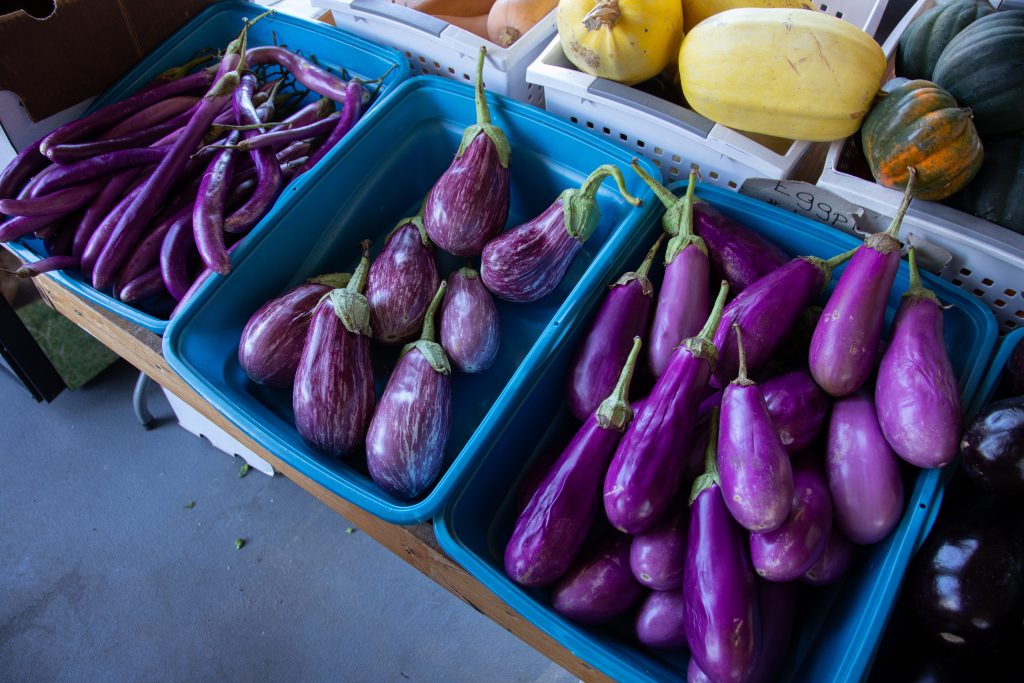
victory garden with eggplants

We’re in the thick of it now. Areas are going into lockdown, and non-essential businesses are closing until further notice. It feels weird. It’s scary. I’m exhausted. But I feel motivated, now more than ever, to keep up my gardening efforts. I’ve seen interest in gardening skyrocket. Is this the return of the victory garden?

I know a lot of you are anxious to get started and make up for lost time. While it’s a little late to start crops like onions, there’s still plenty of time to prep before the last frost date passes you by.

Starting Seeds

Last year, I wrote a series of posts about seed starting. The posts covered a lot of ground, so I recommend checking out a few of those articles. Many of them go over the many mistakes you can make during the process and provide tips for avoiding fatal errors. Here’s a roundup of a few posts you should read:

Seed starting Mistakes to Avoid

Is Starting from Seed Worth it?

The Importance of Air Circulation

Seed Germination

Watering Seedlings

Now is a great time to consider starting your victory garden plants from seed. Why? With many stores shutting their physical locations, you’ll likely have a tough time finding starts. Don’t hesitate to contact your local nursery, though. Many locations are offering delivery for all sorts of items.

What Should I Grow in my Victory Garden?

I get this question a lot. Whether you have a ton of space or a small balcony, the answer is two-fold:

Things you like to eat

If vegetable gardening is your goal, think about what pops up often on your dinner plate. Don’t bother with things that are easy if they don’t appeal to your palate.

I love greens and eat a lot of kale, arugula, and bok choy, so those are some of the crops that feature prominently in my garden.

Conversely, I don’t love cucumbers that much and rarely sacrifice a lot of growing space to them. One plant is more than enough and, I usually only use them for pickling. Some years, I don’t bother with cukes at all.


Things that are easy

Unless you’re an avid gardener or don’t mind dealing with finicky crops, stick to things that are easy to grow. Remember, though, easy is relative. Something that’s easy to grow in one climate may be a pain to grow in another. Or perhaps it’s tougher to produce a particular crop in your area because of a recurring pest issue. I don’t bother with corn anymore, because squirrels always make off with the goods when I’m not looking.

Your best bet is to pick plants that meet somewhere in the middle. The best plants for your victory garden are those that provide a significant reward compared to the effort expended. For instance, I love love, love, eggplants. They’re a bit tricky to grow in my climate, because they prefer hot weather and don’t enjoy temperature swings (which are common here, especially at the start and end of the summer). Still, I love them so much I’m willing to deal with these delicate plants. On the plus side, I never have pest issues with my eggplants. The result? A plant that provides a big reward upon harvest (because I love eating eggplant!) but doesn’t require an unreasonable amount of effort to grow.

Photograph of Steph Coelho.
Steph Coelho

Steph Coelho is a freelance writer gardening in zone 5b. She is a certified Square Foot Gardener and has taught various garden-related workshops. When she’s not digging in the dirt or writing, she’s cooking up fresh produce, running, or listening to her favorite podcasts.

Filed Under: garden musings, seed starting Tagged With: seed starting, spring

Previous Post: « Profitable Greenhouse Crops: Money in Your Pockets
Next Post: 5 Free Garden Marker Ideas to Keep Track of Plants »

Reader Interactions

Leave a Reply Cancel reply

Your email address will not be published. Required fields are marked *

Primary Sidebar

Struggling to get your garden off the ground? Put those days behind you with our special starter kit – perfect for thrifty green thumbs everywhere. Get growing and add a splash of color today!

Popular Posts

  • usda free seeds websiteHow To Get Free Seeds From The Government by Amanda Blankenship Seeds might seem like a small expense, but any seasoned…
  • Enviro Ice On PlantsShould I Use Enviro Ice On My Plants? by Kathryn Vercillo Every week, I receive food from Hungryroot. It's a great…
  • is shredded paper good for the gardenFrom Trash to Treasure: Transform Shredded Paper Into Garden Gold by Amanda Blankenship Should you use shredded paper as garden mulch? It might…
  • Enviro IceWhat Happens to Plants If You Use Enviro Ice on Them? by Amanda Blankenship About a year ago, I wrote our first article about…
buying clearance trees and shrubs

Should You Buy Clearance Trees and Shrubs in Fall? Check the Roots First

A $60 shrub marked down to $20 can make the garden-center clearance rack very difficult to walk past. Fall discounts on trees and shrubs can be genuine bargains, particularly when retailers simply need to reduce inventory before winter, but a low price doesn’t automatically make a struggling plant worth rescuing. Plants that have spent months…

Read More

planting grocery store potatoes

Can You Plant Potatoes From the Grocery Store? Here’s the Catch

We’ve all found one: a forgotten potato at the back of the pantry with several determined-looking sprouts growing from its eyes. Throwing it away feels wasteful, especially when those sprouts make it look ready to become an entire crop of free potatoes. Technically, planting grocery store potatoes can produce plants because the potato itself is…

Read More

free uses for fall leaves

Before You Bag Your Fall Leaves, Try These 5 Free Uses for Them

Every autumn, homeowners rake up something surprisingly valuable, stuff it into bags, and send it away—only to spend money on mulch, compost, and soil amendments a few months later. Fallen leaves contain organic matter and nutrients that can be recycled right where they land, and Penn State estimates that the leaves from one large shade tree can provide…

Read More

bare garden soil over winter

Leaving Soil Bare All Winter? You May Be Creating More Work for Spring

After the last tomatoes are picked and exhausted vegetable plants come out, a perfectly bare garden bed can feel satisfyingly clean. The problem is that soil doesn’t necessarily benefit from spending the next several months exposed to pounding rain, wind, weeds, freezing temperatures, and repeated freeze-thaw cycles. University of Minnesota recommends keeping garden soil covered…

Read More

  • About
  • Contact Us
  • Garden Frugally
  • Buy These
  • Our Editorial Commitment
  • Navigation Menu: Social Icons

    • Facebook
    • Pinterest
    • Twitter
  • Facebook
  • Pinterest
  • Twitter

Copyright © 2026 · Foodie Pro & The Genesis Framework