
Gardeners know the itch. The soil is frozen, the beds are bare, and the seed catalogs are whispering like tiny botanical sirens—but you can’t plant a thing. Yet this quiet stretch of the year is secretly the most powerful phase of your gardening calendar. It’s the prime season for plotting, dreaming, redesigning, and scheming up the smartest garden layout you’ve ever created. A well-sketched off-season map can save you time, money, frustration, and even a few heartbreaks come spring, and it can turn an ordinary plot into something truly remarkable.
Start With What Worked Last Year
Before you start drawing grand new plans, take a moment to reflect on last season’s victories. Maybe your tomatoes went wild, or your lettuce bolted too early, or your squash tried to take over your neighbor’s yard. These memories form the backbone of a smarter garden map because they show exactly what your layout supported—or sabotaged. Think of this step as gathering clues to solve a satisfying horticultural mystery. By writing down what thrived and what flopped, you can sketch a map that works with your garden’s personality instead of fighting against it.
Review Your Sunlight Realities
Sun patterns may seem predictable, but they shift more than many gardeners realize, especially if you have nearby trees or structures. Now is the perfect time to analyze where light actually hits your yard throughout the year. A smarter garden map accounts for both the shady disappointments and the sunny hotspots that can transform an average yield into a glorious one. Take note of how shadows move and where heat tends to gather, since these zones influence plant health in surprising ways. When you sketch with sunlight in mind, you’re already halfway to a more successful growing season.
Plan For Plant Personalities
Every plant has its preferences, quirks, and boundaries, and ignoring them is like planning a dinner party without considering the guests. In your off-season mapping, think about which plants mingle well and which need their own space. If your cucumbers get pushy, give them more room; if your herbs are delicate divas, tuck them closer to the house. This intentional grouping prevents overcrowding, nutrient clashes, and bitterness—both in your greens and in your mood. When you match plant personalities to their rightful places, your garden becomes a well-orchestrated ensemble instead of a chaotic crowd.
Rotate Like A Pro Gardener
Crop rotation isn’t just an old-fashioned idea—it’s one of the smartest strategies you can plan on paper long before spring. Different crops deplete and replenish different nutrients, so shifting their positions each year keeps your soil healthy. Rotating beds also helps break pest and disease cycles that can ruin a garden faster than a heatwave. During the off-season, sketch out where each crop lived last year and then play the strategic puzzle of rearranging them. When planting season arrives, you’ll feel like a mastermind who anticipated everything.
Anticipate Space Before It Disappears
Plants never stay the size you imagine when they’re seeds, which is how gardeners end up with sprawling vines, overshadowed herbs, and a lot of “I swear that pumpkin wasn’t this big last week.” Use the off-season to map true, mature plant sizes instead of wishful thinking. Give your veggies room to breathe now, and your garden will feel more organized and less like a botanical mosh pit. This planning helps maintain airflow, reduce disease, and prevent the silent creep of overcrowding. When in doubt, sketch wider spacing—you’ll thank yourself when you’re harvesting with ease instead of wrestling with vines.
Add Paths That Actually Make Sense
The off-season is ideal for rethinking your garden’s walkways and access points. If you spent last season tiptoeing between plants or stretching at odd angles to reach your peppers, that’s a sign your layout needs friendlier navigation. Include pathways that allow tools, hoses, baskets, and humans to move comfortably without trampling anything. This simple adjustment often transforms gardening from a chore into a flow, giving you more confidence and less clutter. A smart garden map always includes routes that make tending easier—not harder.
Keep Wildlife And Weather In Mind
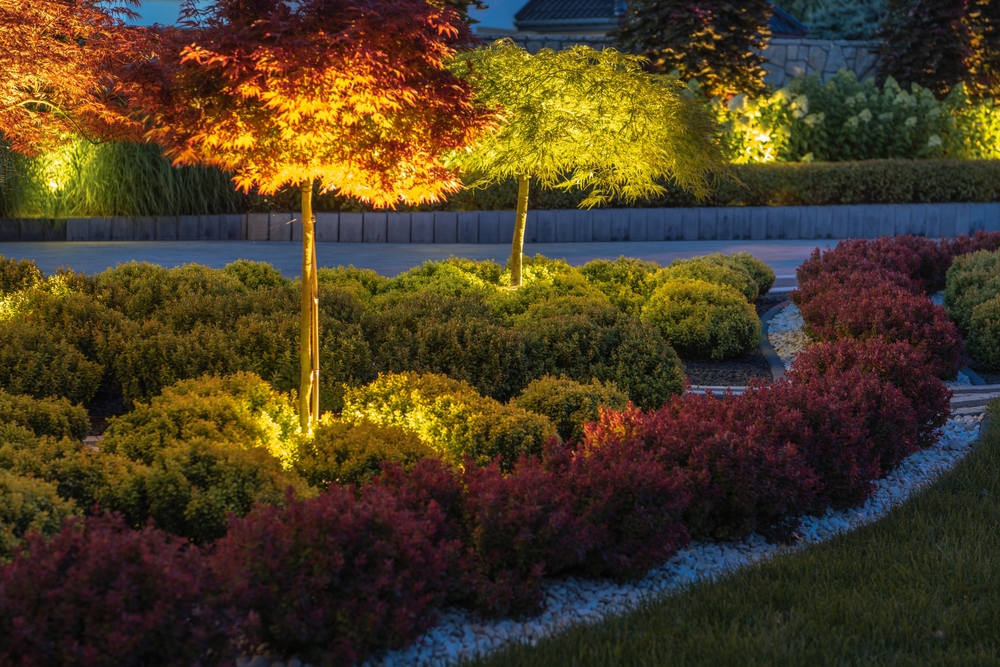
Sketching a smarter layout isn’t just about the plants; it’s also about the forces that interact with them. Think about wind patterns, frost pockets, curious critters, or even your dog’s favorite digging spots. Adding physical barriers, raised beds, or protective structures to your map now can save countless headaches later. Understanding how your space behaves across different seasons lets you anticipate problems before they arise. By mapping these environmental players now, you’re designing a garden that’s resilient, thoughtful, and ready for anything.
Create Zones For Efficiency
A well-designed garden isn’t just pretty—it’s practical. During the off-season, consider dividing your space into zones based on how often you’ll visit each area. Put high-maintenance plants closer to your usual entry points, and tuck long-season growers or low-maintenance crops farther away. Grouping your garden by purpose—snacking zone, preserving zone, herb zone—can make your workflow feel smooth and intentional. When spring rolls around, your layout will feel like a well-planned village rather than a random collection of plants.
Leave Room For Surprises
No garden map should be so rigid that it doesn’t leave space for spontaneity. Maybe you’ll stumble across an irresistible heirloom tomato variety, or maybe a neighbor will hand you a seedling you’ve never tried before. A little extra space gives your garden flexibility and prevents the dreaded overstuffed beds that lead to stunted plants. Off-season planning doesn’t need to be perfect—it just needs to be adaptable. The best garden maps leave room for creativity, experimentation, and that joyful “why not?” attitude that gardeners love.
Sketch Today, Grow Smarter Tomorrow
A garden map may seem like a simple drawing, but during the off-season, it becomes a blueprint for success, abundance, and sanity. The more intentionally you plan now, the more effortlessly your garden will thrive once the growing season arrives. From sunlight to spacing to plant personalities, each detail you sketch today helps build a stronger, healthier garden tomorrow. Off-season creativity often leads to in-season rewards that feel almost magical.
Do you have your own mapping tricks, lessons, or stories? Share them in the comments below because we’d love to hear how you plan your dream garden when the fields are quiet.
You May Also Like…
- The Garden Fence Test: How to Tell If Yours Will Survive the Snow
- The Winter Vegetable Garden Hack That Southern Gardeners Swear By
- How Climate Change Is Quietly Changing Fall Gardening Forever
- Design a Winter Garden That Looks Just as Good Without Flowers
- How to Redesign Your Bulb Garden After This Year’s Mistakes

Brandon Marcus is a staff writer for FrugalGardening.com at District Media, Inc., where he delivers practical gardening advice with a relatable, no-nonsense style. An avid amateur gardener, he holds a BA degree and with over ten years of professional writing experience, he is also an award-winning published author whose first book, Questions For Deep Thinkers, was released by Adams Media. His work has appeared in major publications including Fandom.com, CHUD.com, TheColdWire.com, and Fansided.com.
Leave a Reply