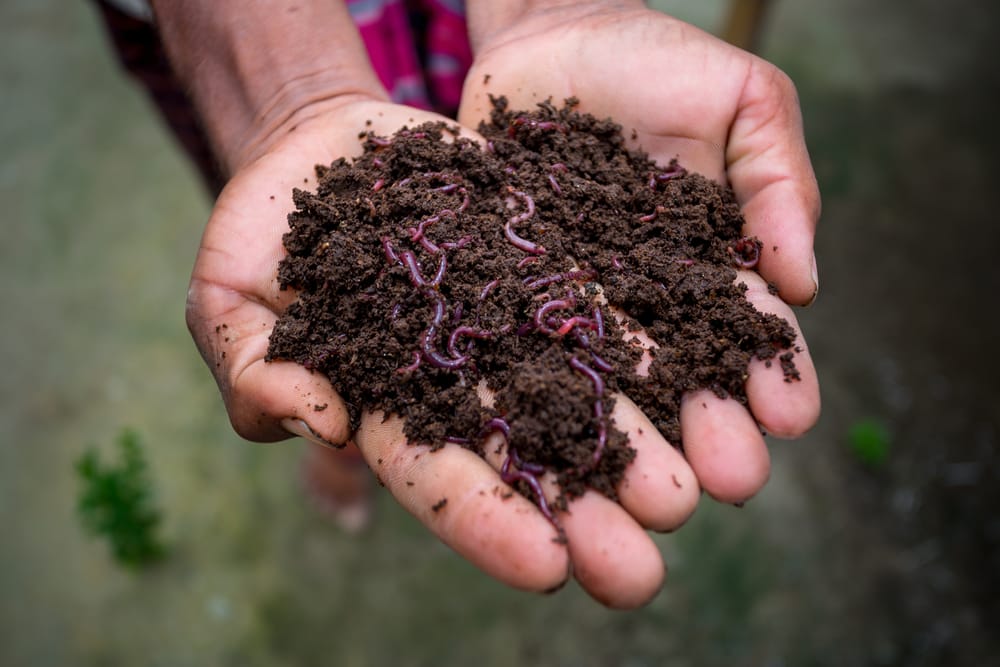
Winter seems peaceful, doesn’t it? The garden is quiet, plants are resting, and snow or frost blankets the ground. But beneath that calm surface, some of your garden’s most notorious troublemakers are lying in wait.
While you’re sipping hot cocoa inside, pests are snoozing in your soil, ready to wake up and wreak havoc come spring. Knowing who these underground invaders are—and how they survive the cold—can give you a serious advantage for your next growing season.
1. Wireworms That Love Root Snacks
Wireworms might sound harmless, but these wriggling larvae of click beetles are tiny terrors for roots and seedlings. They spend the winter burrowed deep in the soil, feeding slowly on decaying plant matter to build energy for spring attacks. When the weather warms, they migrate upward to feast on tender roots, seeds, and bulbs. Their hard, wire-like bodies make them tough to crush, and they’re notoriously difficult to spot until the damage is obvious. Understanding their life cycle is key to planning crop rotation and soil treatments that keep them under control.
2. Root Maggots Hiding Beneath The Surface
Root maggots are the larvae of certain flies, and they’re expert at staying out of sight. During winter, they burrow deep into the soil, curling around roots and feeding on organic debris to survive. As spring arrives, hungry and ready to grow, they emerge to attack the roots of cabbages, onions, and radishes. What makes them tricky is how silently they operate—you won’t see them above ground until your plants start wilting or showing yellow leaves. Preventing them often involves covering crops, using barriers, or rotating susceptible plants each year.
3. Soil Nematodes That Attack Underground
Nematodes are microscopic worms, and while many are helpful, some are aggressive plant parasites. They hibernate in the soil when temperatures drop, lying dormant around root zones until spring encourages activity. Once active, they pierce plant tissues and suck out vital nutrients, stunting growth and sometimes killing young seedlings. Their invisibility makes them easy to underestimate, but gardeners can detect their presence by carefully inspecting plant roots or noticing unusual growth patterns. Soil solarization, resistant plant varieties, and biological controls can help manage their populations.
4. Slugs And Snails With Winter Plans
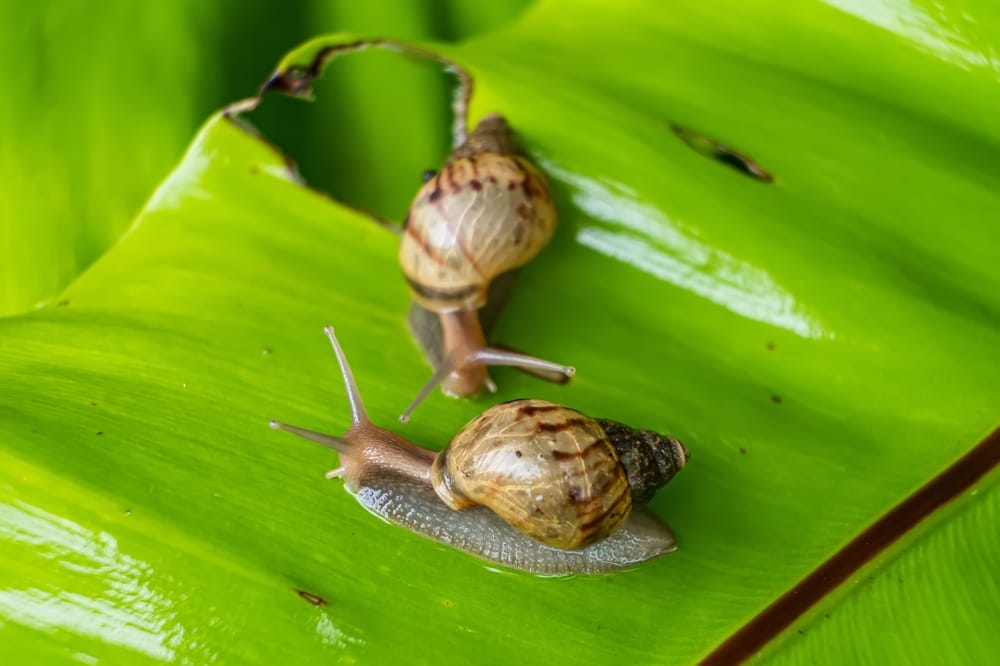
While slugs and snails are commonly spotted on wet leaves and garden surfaces, a surprising number survive winter underground. They burrow into the soil, leaf litter, or mulch layers to escape frost, slowing their metabolism but staying alive. As spring moisture returns, they awaken to devour seedlings, tender leaves, and soft stems with astonishing efficiency.
Even a small population can devastate young plants quickly, making early vigilance critical. Gardeners often combat them by reducing mulch in certain areas, placing traps, or encouraging natural predators like birds and hedgehogs.
5. Cutworms Lurking Beneath Your Beds
Cutworms are caterpillar larvae that earned their name because they “cut” young plants at the soil line. They spend winter curled up in soil clumps, under debris, or near plant stems, conserving energy until spring. Once temperatures rise, they move upward and start severing seedlings, often leaving newly planted vegetables or flowers collapsing overnight. These pests are nocturnal, feeding mostly at night and hiding during the day, which makes them difficult to catch in the act. Protective collars around stems, tilling soil before planting, and handpicking caterpillars are effective ways to limit damage.
6. Beetle Larvae Waiting To Feast
Many beetle species, including Japanese beetles and June bugs, spend winter underground as larvae. They burrow deep into soil layers, feeding slowly and developing while remaining safe from frost.
Come spring and summer, these larvae emerge, transforming into adults and continuing the cycle of leaf damage, root feeding, and garden destruction. Their presence can significantly weaken plants if left unchecked, particularly in lawns, vegetable patches, and ornamental beds. Early soil inspection, encouraging birds, and natural predators are key strategies to reduce beetle larvae before they grow into serious pests.
Prepare Your Garden Before They Wake
Winter doesn’t mean your garden is safe from pests—it just means they’re sleeping. From wireworms to beetle larvae, these hidden threats lie dormant but ready to attack as soon as temperatures rise. The key to a healthy garden in spring is understanding who’s hiding below and taking steps now to reduce their populations.
Have you battled soil pests in your garden before? Share your stories, tips, or strategies in the comments section because we’d love to hear how you outsmarted these underground invaders.
You May Also Like…
Why Stopping Lawn Care Too Early Could Invite Pests and Fungus
Why Garden Nets Stop More Than Pests in Fall
How Earthworms Work Harder in Fall Soils
How to Spot Overwintering Insects in Mulch
7 Innocent-Looking Shrubs That Harbor Invasive Insects

Brandon Marcus is a staff writer for FrugalGardening.com at District Media, Inc., where he delivers practical gardening advice with a relatable, no-nonsense style. An avid amateur gardener, he holds a BA degree and with over ten years of professional writing experience, he is also an award-winning published author whose first book, Questions For Deep Thinkers, was released by Adams Media. His work has appeared in major publications including Fandom.com, CHUD.com, TheColdWire.com, and Fansided.com.
Leave a Reply