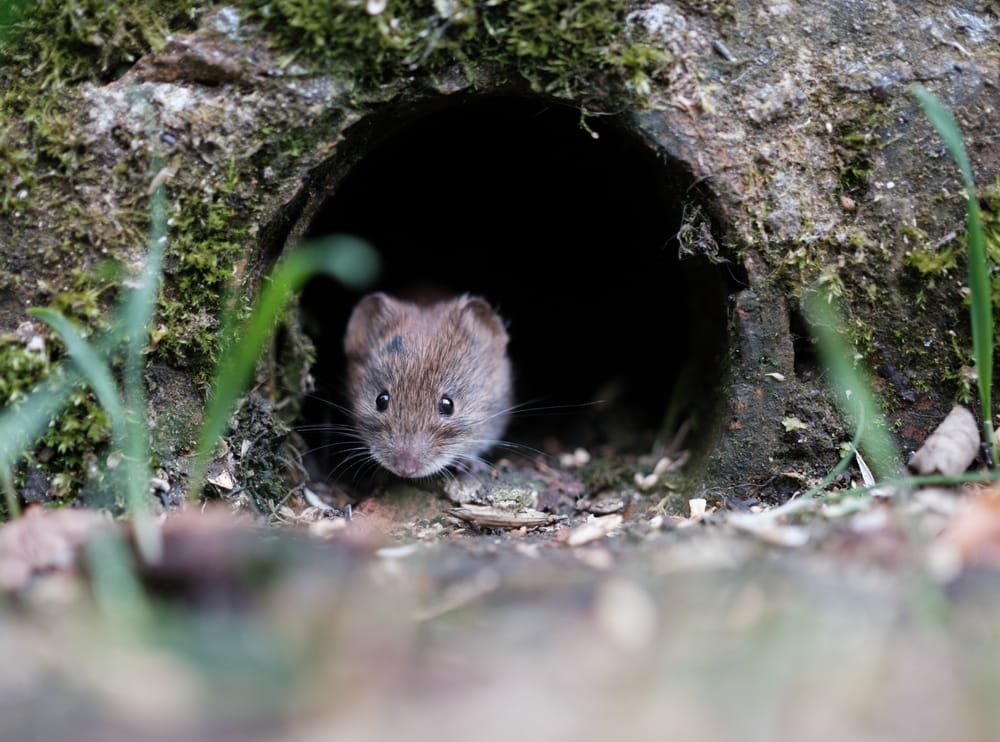
The moment you leave a crop unattended, mice treat it like an all-you-can-eat buffet with no closing hours. These little opportunists have a talent for sniffing out anything remotely edible, and once they discover your unprotected produce, they’ll invite their entire extended family. What starts as a tiny nibble can turn into a miniature disaster scene—chewed stems, shredded husks, missing seeds, and the unmistakable calling card of unwelcome visitors.
Whether you’re a backyard gardener or managing a larger homestead, securing your crops is more than a chore—it’s a strategy. And if you’ve ever wondered exactly which crops mice find most irresistible, buckle up, because this list might surprise you.
1. Corn
Corn is practically a magnet for mice thanks to its sweet kernels and easy-access husks. When left uncovered, the scent alone can lure rodents from impressive distances. Mice often burrow into corn patches and tunnel straight up the stalks, helping themselves to a feast inside the cobs. The husks provide the perfect hideout, meaning they can snack in peace while staying out of sight. By the time you notice the damage, the thieves have usually enjoyed several meals.
2. Sunflower Seeds
Sunflower seeds aren’t just a favorite of birds—mice adore them too. They’re small, nutrient-packed, and easy for rodents to stash away in hidden corners. An uncovered sunflower patch can quickly become a hot spot for mouse activity as they gnaw the heads clean. The height of the flowers doesn’t slow them down; mice climb, jump, and acrobat their way to the prize. Once they find a seed-rich patch, they’ll keep returning until the buffet is empty.
3. Wheat
Wheat fields offer mice a double reward: food and shelter. The stalks provide excellent cover, helping them move undetected while gathering mouthfuls of grain. If the wheat isn’t properly stored or protected, mice will chew through bags, bins, or bundles without hesitation. Because the kernels are tiny, they can eat large amounts before you even notice the loss. Over time, a single mouse family can reduce a surprising amount of wheat.
4. Barley
Barley is another grain crop that sends mice into celebration mode. The aroma alone is enough to draw them in, but the soft hulls make accessing the kernels even easier. When left uncovered, barley can be raided night after night by rodents who treat the field like a playground. Mice often create hidden nests between the stalks, allowing them to feast conveniently. If you’ve ever found scattered husks around storage bins, that’s usually a sign they’ve been snacking.
5. Potatoes
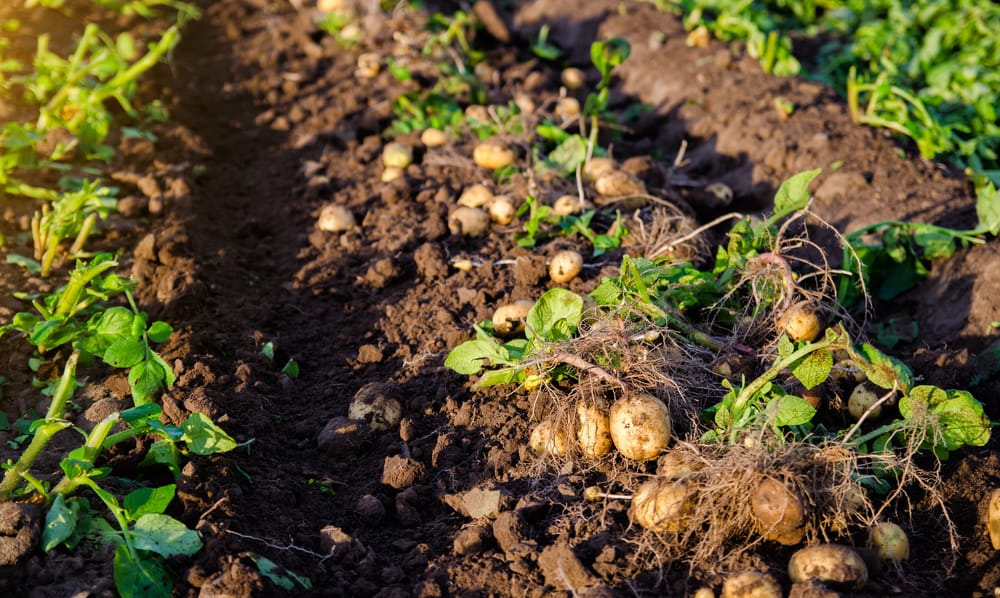
Potatoes might seem too earthy and bland to attract mice, but underground crops are a rodent paradise. Mice burrow through the soil, nibbling holes into potatoes without ever breaking the surface. The tubers stay cool, moist, and protected—basically a mouse refrigerator. If left uncovered on the ground after harvest, they become even bigger targets. One night is all it takes for a pile of potatoes to turn into a chewed, ruined mess.
6. Squash
Squash plants are wide, leafy, and perfect for hiding mice that creep in for a midnight meal. The soft outer skins of many squash varieties make it easy for rodents to gnaw through. Uncovered squash left curing in the sun practically sends a dinner invitation. Once mice discover the sweet flesh inside, they’ll hollow out an entire squash while leaving the rind looking deceptively intact. If you don’t lift your produce to inspect it, you might not even notice until it’s too late.
7. Garlic
Despite its strong smell, garlic surprisingly attracts mice thanks to its bulb structure. Rodents dig underneath to get at the bulbs, especially when they’re left out to dry after harvesting. Garlic fields provide excellent ground cover, letting mice roam freely without drawing attention. Even small chew marks can ruin a bulb’s storage ability, making early detection crucial. Leaving garlic uncovered, whether in the field or on a curing rack, is practically begging for trouble.
8. Tomatoes
Tomatoes have a juicy scent that drifts across the garden and calls mice like a dinner bell. Rodents tend to bite small holes into tomatoes, often sampling several before committing to one. This habit leaves a trail of half-destroyed fruit behind. Uncovered tomato baskets or unprotected vines become irresistible targets. Once mice learn a tomato patch exists, they’ll revisit it every night until the season ends.
9. Sweet Potatoes
Much like regular potatoes, sweet potatoes are a rodent delicacy. Their natural sugars make them even more appealing to mice searching for energy-rich snacks. Because they grow underground, mice can chew through large portions without being spotted immediately. Uncovered crates or baskets filled with freshly harvested sweet potatoes are prime targets. If the scent catches a rodent’s attention, they’ll dig in with surprising speed.
10. Beans
Beans—especially dried ones—are essentially mouse currency. Their small size makes them easy for rodents to grab, store, and hoard in hidden nooks. Whether growing on a vine or drying in the open air, beans attract hungry mice like magnets. They’ll climb trellises, chew through pods, and swipe handfuls in minutes. Leaving beans uncovered gives mice unlimited access to high-protein snacks they simply can’t resist.
Protect Your Harvest Before the Mice Discover It
Mice may be small, but their appetites are mighty, and they’ll happily ruin an entire harvest if given the chance. Leaving crops uncovered—whether in the field, on the ground, or in storage—creates the perfect opportunity for these sneaky nibblers to set up shop. Understanding what attracts them is the first step in keeping your produce safe.
Have you ever had mice invade your garden or storage area? Share your stories, tips, or frustrations in the comments section below.
You May Also Like…
5 Quick Tips To Rescue Your Plants From Root Rot
Why Stopping Lawn Care Too Early Could Invite Pests and Fungus
Why Garden Nets Stop More Than Pests in Fall
9 Fall Garden Pests That Arrive Out of Nowhere
Why Overripe Fruits Invite More Fall Pests

Brandon Marcus is a staff writer for FrugalGardening.com at District Media, Inc., where he delivers practical gardening advice with a relatable, no-nonsense style. An avid amateur gardener, he holds a BA degree and with over ten years of professional writing experience, he is also an award-winning published author whose first book, Questions For Deep Thinkers, was released by Adams Media. His work has appeared in major publications including Fandom.com, CHUD.com, TheColdWire.com, and Fansided.com.
Leave a Reply