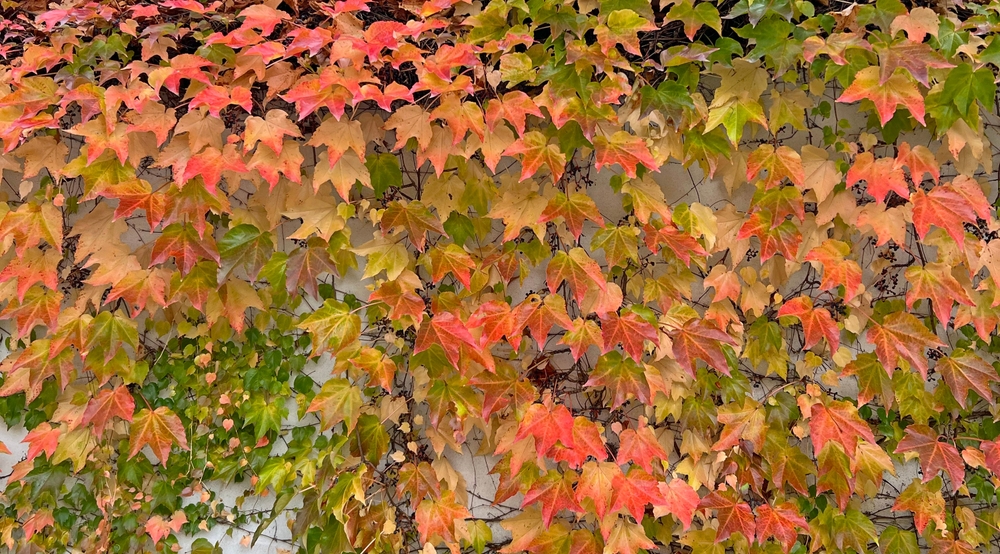
Those moments when you feel fall is coming are truly special. The air sharpens, the shadows stretch, and trees seem to “yawn” as they pull back their energy and prepare for a seasonal nap. While most people focus on apple cider and cozy sweaters, plants are getting down to serious business: shutting themselves down with more precision than a factory shutdown checklist. It’s a survival strategy older than civilization, built into every twig and root, and it happens with impeccable timing every single year.
But autumn dormancy is more than just a sleepy slowdown—it’s a complex, strategic transformation that ensures plants live to bloom another day.
The Science Behind Seasonal Signals
Plants sense far more about their environment than we give them credit for. As days shorten and nights grow longer in autumn, their internal clocks pick up on the shifting rhythms of daylight. This reduction in daylight sets off chemical responses, essentially signaling to plants that it’s time to wrap up their growth cycle. Temperature shifts add another layer of urgency, nudging plants to conserve their energy instead of spending it on new leaves or shoots. These intertwined signals work like nature’s version of a countdown timer, giving plants the heads-up that winter is approaching.
How Plants Prepare For Harsh Conditions
When autumn hits, plants begin quietly fortifying themselves for months of cold weather. They withdraw nutrients from their leaves and store them deep in their roots, creating a reservoir they can tap into once spring returns. This nutrient-saving tactic is why leaves lose their color—they’re being drained like little solar panels preparing for storage. Water movement slows dramatically as plants brace for freezing temperatures that could otherwise burst their cells. By the time winter officially arrives, most plants are operating on the bare minimum required to stay alive.
Hormones That Set Dormancy Into Motion
Chemical messengers inside plants play a huge role in deciding when it’s time to shut things down. One of the key players is abscisic acid, often called the “stress hormone,” which rises sharply in autumn. This hormone halts growth, commands leaves to drop, and prepares buds for months of inactivity. Meanwhile, growth-promoting hormones such as gibberellins take a backseat, letting dormancy take center stage. The balance of these hormones ensures plants don’t waste valuable energy at the wrong time of year.
Environmental Triggers That Kickstart The Process
Autumn doesn’t just bring cooler days—it brings unpredictability, and plants respond accordingly. Drought, sudden frosts, or strong winds can convince a plant to begin dormancy sooner than usual. Environmental stress acts like a push, reminding plants that lingering in growth mode is risky. Even soil conditions play a part, as shorter days mean less time for roots to absorb moisture and nutrients. All of these factors work together to tell plants that it’s safer to pause than to push forward.
Why Dormancy Is Essential For Survival
Dormancy isn’t laziness—it’s strategy. By reducing metabolic activity, plants protect themselves from winter conditions that could otherwise damage or kill new growth. It’s the botanical equivalent of tightening every bolt before a storm arrives. Without dormancy, plants would continue pouring energy into leaves and stems that wouldn’t survive the cold. This seasonal slowdown ensures that when spring finally returns, plants can burst back to life from reserves they carefully guarded all winter long.
What Happens Inside A Dormant Plant
Even though a dormant plant looks motionless, plenty is happening beneath the surface. Buds are forming microscopic structures that will become next season’s leaves and flowers. Roots continue very slow, deliberate growth, strengthening the plant’s foundation for the future. Chemical changes keep the plant resistant to freezing, almost like antifreeze working through its system. Everything happening inside a dormant plant is intentional, calculated, and vital for long-term survival.
How Different Plants Handle Dormancy Differently
Not all plants approach dormancy the same way. Deciduous trees drop their leaves entirely, while evergreens shift into a slower mode but keep their foliage year-round. Perennials retreat underground, storing everything in bulbs, tubers, or rhizomes until warmer days return. Even annuals play a role by leaving behind seeds designed to endure brutal winter conditions. Each plant’s dormancy strategy is tailored to its species, climate, and evolutionary history.
How Climate Change Impacts Dormancy Cycles
Modern climate patterns are throwing dormancy cycles into chaos. Warmer autumns can delay the dormancy signal, leaving plants vulnerable to sudden cold snaps. Inconsistent temperatures confuse internal clocks, causing mixed signals between hormones and environmental cues. Some plants may enter dormancy too late and suffer frost damage, while others may not enter it properly at all. As seasonal patterns shift, scientists are keeping a close eye on how dormancy rhythms are adapting—or failing to adapt.
What Dormancy Means For Gardeners And Growers
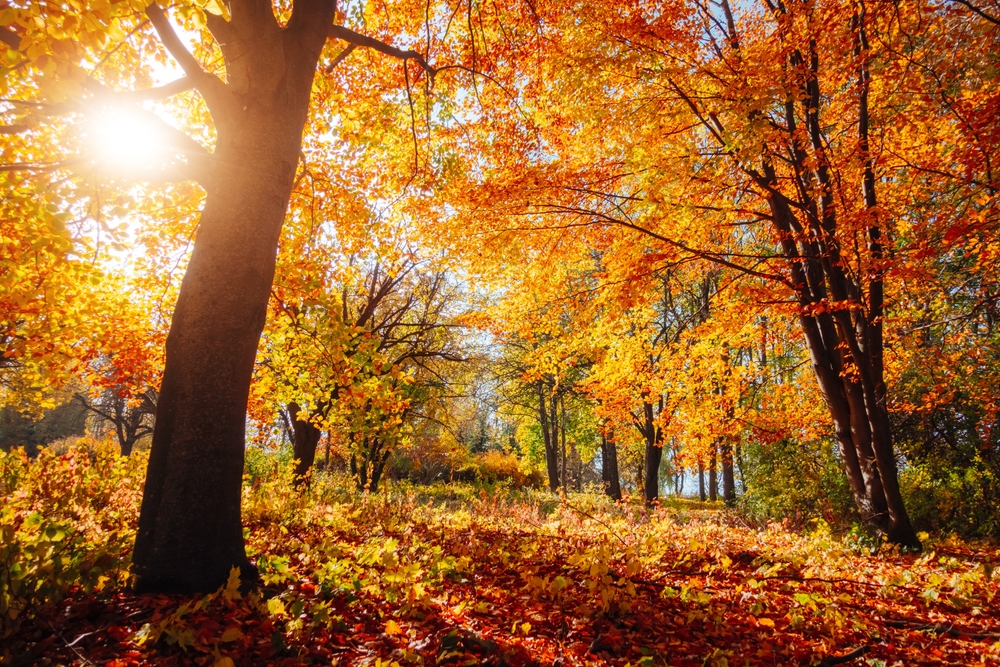
Anyone who tends a garden knows autumn dormancy isn’t just a natural shift—it’s a cue to start preparing for next season’s success. Understanding when plants enter dormancy helps gardeners prune correctly, water strategically, and protect delicate roots. Dormancy also reveals which plants are thriving and which might need a change of location or care. For growers, timing is everything, and dormancy signals the beginning of critical maintenance. The better we understand dormancy, the better care we can give the plants we love.
The Secret Strategy Behind A Sleepy Season
Plant dormancy may look peaceful, but beneath the stillness lies an extraordinary survival system working flawlessly year after year. It’s a reminder that nature is always planning ahead, always adapting, always preparing for what comes next. Understanding dormancy makes the autumn landscape feel even more alive with hidden activity. So the next time you see leaves falling or branches going bare, you’ll know there’s a complex story unfolding right in front of you.
Have your plants taught you something surprising about seasonal change? Make sure that you share all of your thoughts, experiences, or stories in the comments below.
You May Also Like…
12 Soil Problems Fixed Best in Autumn
Why Over-Fertilizing Kills More Plants in Fall
5 Fertilizers to Skip in the Cool Season
Why Late Fall Watering Saves Roots From Damage
8 Seedlings That Transplant Better in Cool Weather

Brandon Marcus is a staff writer for FrugalGardening.com at District Media, Inc., where he delivers practical gardening advice with a relatable, no-nonsense style. An avid amateur gardener, he holds a BA degree and with over ten years of professional writing experience, he is also an award-winning published author whose first book, Questions For Deep Thinkers, was released by Adams Media. His work has appeared in major publications including Fandom.com, CHUD.com, TheColdWire.com, and Fansided.com.
Leave a Reply