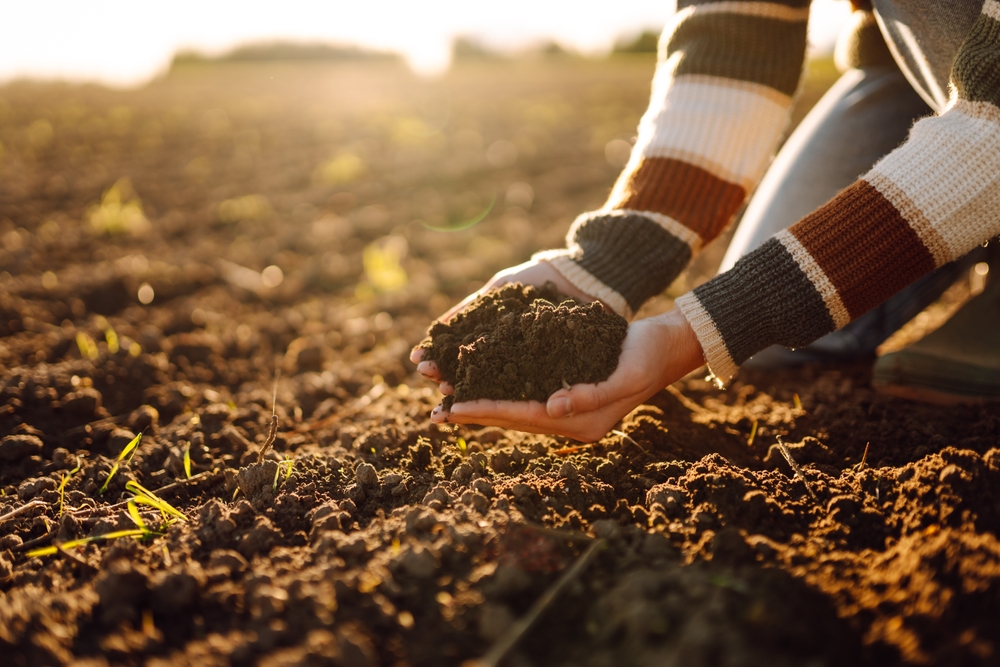
If you think fall is only about sweaters, pumpkin spice, and cozy evenings, think again—because underground, an invisible drama is unfolding. Beneath our feet, billions of microscopic organisms are preparing for the seasonal shift, adjusting their rhythms like a tiny, unseen orchestra. As the air cools and the soil starts to chill, the microbial world doesn’t just slow down—it transforms.
Microbes begin swapping roles, teaming up differently, and even rewriting the rules of decomposition. It’s nature’s own version of “Survivor,” and every microorganism is strategizing to stay in the game.
The Hidden Workforce Beneath Our Feet
Before we dig into the seasonal shift, let’s talk about why soil microbes matter. They’re the tiny powerhouses responsible for recycling nutrients, breaking down organic matter, and keeping plants alive. Think of them as nature’s tireless recycling crew, turning fallen leaves and dead roots into food for next year’s growth. When the temperature starts to dip, this workforce doesn’t punch out for the season—it reorganizes. Some species go dormant, others take over the spotlight, and the entire underground community reshapes itself to survive the cold months ahead.
Cooler Temperatures, Cooler Metabolism
When the thermometer drops, soil microbes begin to move more slowly, much like people reluctant to leave their warm beds on a winter morning. Chemical reactions in the soil—especially those tied to decomposition and respiration—naturally slow as temperatures decline. But this slowdown isn’t a bad thing; it’s an energy-saving measure. Instead of racing to consume everything in sight, microbes conserve their resources and become more selective in their activity. The result is a more stable, less wasteful ecosystem where energy is used sparingly until warmth returns.
Fungi Step Into the Spotlight
As bacteria ease up on their rapid-fire metabolism, fungi quietly step in to take charge. Cooler, moister soil provides the perfect stage for fungal networks to expand, sending out thread-like filaments that break down tougher materials like lignin and cellulose. These hardy decomposers are the reason fallen leaves don’t just pile up forever—they’re the cleanup crew of the forest floor. Fungi thrive in the cool, damp conditions that come with autumn, turning last season’s debris into nutrients for next year’s plant life. In the grand underground economy, fungi are the steady investors, making long-term contributions that sustain the entire ecosystem.
The Rise of Cold-Resistant Bacteria
Of course, not all bacteria bow out when the temperature drops. Some species, known as psychrophiles, are built for the chill. These hardy little cells produce special proteins that keep their internal fluids from freezing, allowing them to keep working when others can’t. You’ll find these cold-loving bacteria actively cycling nitrogen, carbon, and phosphorus even as frost begins to form. Their ability to function in near-freezing conditions ensures that the soil ecosystem doesn’t come to a standstill—just a slower, steadier hum of life beneath the surface.
Carbon Storage Gets a Seasonal Shake-Up
Cooler weather doesn’t just change who’s doing the work underground—it changes how carbon is stored and released. As microbial activity slows, less carbon dioxide escapes into the atmosphere, meaning more carbon stays locked in the soil. In this way, cold weather acts like nature’s pause button on the global carbon cycle. But when temperatures rise again, the microbial engines rev back up, releasing that stored carbon through decomposition. Understanding these rhythms is crucial for scientists studying climate change, because microbial behavior directly affects how much carbon the Earth holds—or lets go.
Moisture Matters More Than You Think
While temperature gets most of the attention, moisture plays an equally critical role in the fall microbial shift. Cooler air can hold less water vapor, often leading to damp soil conditions that microbes adore. Bacteria that thrive in dry conditions start to fade, making way for fungi and other moisture-loving organisms. Too much water, however, can suffocate microbes by limiting oxygen flow, creating pockets of anaerobic activity that produce greenhouse gases like methane. The sweet spot is a cool, moist balance that keeps microbial communities active yet stable.
Nutrient Cycling Slows, But Efficiency Rises
In summer, microbial activity runs at full throttle—fast decomposition, quick nutrient turnover, and a constant rush of energy through the soil. But when fall arrives, the tempo slows, and microbes become more deliberate. They start breaking down organic matter at a slower pace, but with higher efficiency, losing fewer nutrients to the atmosphere. It’s like the difference between sprinting and jogging: slower, yes, but sustainable. Plants benefit too, as this gradual release of nutrients provides a steady supply throughout the cooler months rather than a quick burst followed by scarcity.
The Underground Network Never Sleeps
Even as snow covers the ground, microbial life never truly stops. Beneath the frost line, temperatures remain relatively stable, allowing microbes to continue their quiet work. Fungal networks still communicate chemically with plant roots, and certain bacteria continue nutrient exchanges that prepare plants for spring. This constant background activity is what keeps ecosystems resilient—no true “off-season,” just a slower tempo. When you see the first green shoots of spring, thank the microbes that spent all winter preparing the soil for that moment.
Human Impact on Microbial Seasons
Modern agriculture and urbanization have changed how soil microbes respond to seasonal shifts. Over-tilling, heavy fertilizer use, and soil compaction can disrupt the delicate balance of microbial communities, leaving them less resilient to temperature swings. Healthy, diverse soils adapt more gracefully to cooling weather, while damaged soils struggle to maintain function. Composting, crop rotation, and reducing chemical inputs all help restore microbial diversity and natural resilience. By understanding these microscopic patterns, we can actually support the soil’s ability to adapt to changing seasons—and even to climate change itself.
The Tiny Drama Beneath Autumn Leaves
Next time you’re walking through crunchy fall leaves, remember that you’re stepping on one of nature’s most complex transitions. Billions of microbes are shifting gears, trading roles, and building the foundation for next spring’s burst of life. The crisp air and changing colors aboveground are mirrored by just as much activity below. It’s a reminder that even in apparent stillness, the Earth is always alive, always adjusting, always preparing. The beauty of autumn isn’t just in the trees—it’s in the hidden choreography beneath your feet.
The Cool-Weather Transformation We Never See
When the world cools down, it’s easy to think nature is resting—but underground, the story is far more dynamic. Soil microbes adapt, evolve, and recalibrate, ensuring the planet’s nutrient and carbon cycles continue smoothly even through the cold. They are nature’s unseen workers, constantly negotiating the balance between activity and dormancy. Understanding their patterns helps us appreciate that every season has its own rhythm, right down to the microscopic level.
Have you ever noticed signs of soil life persisting through winter? Share your thoughts or observations in the comments below.
You May Also Like…
Why Some Seeds Germinate Better in Cold Soil
7 Garden Diseases That Spread Faster in Cool, Damp Weather
10 Ways Fallen Leaves Feed Your Soil
How Crop Residue Feeds Microbes in Autumn
Why Straw Mulch Protects Roots in Cold Weather

Brandon Marcus is a staff writer for FrugalGardening.com at District Media, Inc., where he delivers practical gardening advice with a relatable, no-nonsense style. An avid amateur gardener, he holds a BA degree and with over ten years of professional writing experience, he is also an award-winning published author whose first book, Questions For Deep Thinkers, was released by Adams Media. His work has appeared in major publications including Fandom.com, CHUD.com, TheColdWire.com, and Fansided.com.
Leave a Reply