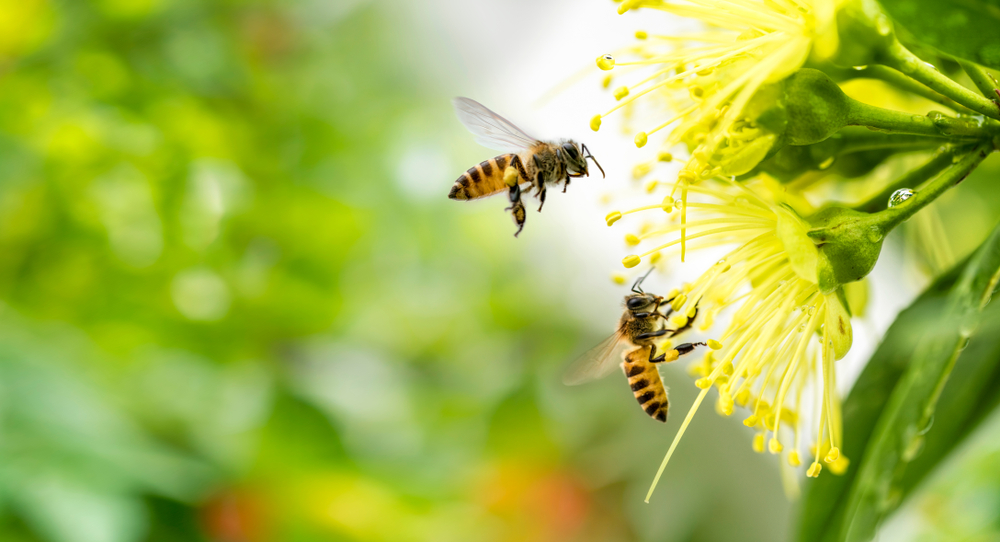
By the time late summer rolls around, most people assume the busy hum of bees and butterflies has come to a graceful end. The kids are back in school, the air smells like cinnamon candles, and everyone’s thinking pumpkin spice—not pollinators.
But here’s the truth: just because you’ve swapped your lemonade for lattes doesn’t mean nature’s work is done. Late-season pollinators are still hustling out there, buzzing, fluttering, and foraging for survival while the rest of the world moves on. And believe it or not, your garden might be the key to keeping them alive when food sources are dwindling.
The Secret Life of Late-Season Pollinators
When we think of pollinators, we imagine springtime—a symphony of bees, butterflies, and blossoms. But by September and October, the landscape shifts dramatically. Flowers fade, nectar dries up, and the buffet that sustained pollinators all summer long starts to close down. Yet many species, from honeybees to migrating monarchs, are still active and desperately searching for energy-rich food. Your garden can become a critical pit stop for these weary travelers, offering them a final feast before winter’s chill arrives.
These late bloomers aren’t just buzzing for fun—they’re working overtime to store fat, gather food, and ensure their colonies or offspring survive the cold months ahead. When the natural supply of nectar and pollen shrinks, even a single blooming aster or goldenrod can make a life-or-death difference. Think of it as nature’s version of a 24-hour diner that never closes—your flowers become a refuge for the pollinators still clocking in late in the season.
Why Gardens Matter More Than Ever in Fall
By autumn, wildflower fields start to wane, and many natural habitats lose their floral abundance. That’s where backyard gardens become heroes. Unlike the sprawling fields of summer, late-season gardens provide concentrated food sources that can sustain hundreds of pollinators at once. Bees, for example, use these final months to stockpile food for their hives, while butterflies need energy for migration or overwintering.
Even small garden patches can make a big difference. A few clumps of late-blooming flowers—think coneflowers, sedums, or zinnias—can serve as lifelines. Without them, many pollinators face starvation just when they need the most fuel. You might not realize it, but those last few blooms you leave standing could be keeping an entire colony of bees alive through the winter.
Meet the Late-Season Survivors
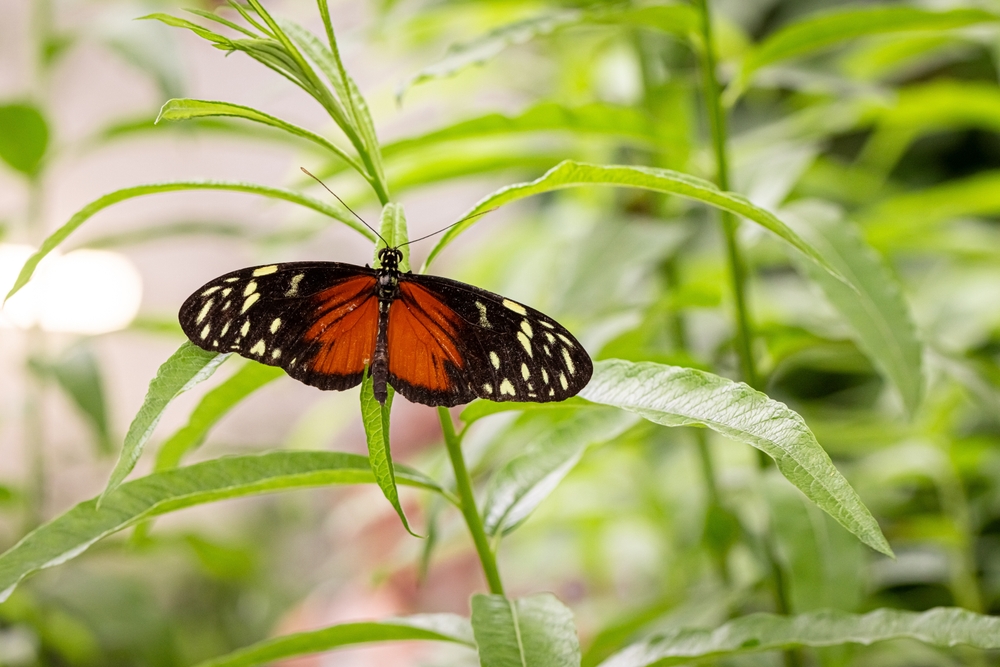
So, who are these hardworking insects that depend on your garden when the days grow short? For starters, bumblebees—the fluffy, friendly giants of the bee world—are still busy gathering food to help new queens survive the cold. Honeybees continue their meticulous work, stocking hives with nectar and pollen. Meanwhile, monarch butterflies are on a breathtaking 3,000-mile journey to Mexico, stopping in gardens along the way for quick nectar refuels.
Then there are the often-overlooked heroes: hoverflies, native solitary bees, and moths, all quietly doing their part to pollinate and prepare for colder months. These pollinators rely heavily on gardens with staggered bloom times, where something is always flowering. If you’ve ever spotted a fuzzy bumblebee dozing on a flower in October, congratulations—you’re witnessing nature’s final push before the freeze.
The Power of Late Bloomers
Every great garden has its showstoppers—plants that steal the spotlight when everything else fades. Late-blooming plants like asters, goldenrod, sunflowers, and Russian sage are more than just pretty faces; they’re survival fuel for pollinators. Their nectar is rich, their pollen is plentiful, and they thrive right when other food sources vanish. These flowers create an all-you-can-eat buffet that keeps bees and butterflies buzzing long past Labor Day.
What’s fascinating is how nature times this perfectly. As days shorten, these plants seem to know exactly when to bloom, aligning their flowering season with the pollinators’ final foraging frenzy. It’s a natural partnership that’s evolved over millions of years—and one that depends on gardeners keeping those blooms alive just a little longer. So when you’re tempted to pull up your plants for winter, remember: nature’s most hardworking insects are still counting on them.
The Misstep of Over-Tidying the Garden
Here’s a truth most gardeners don’t realize: tidiness can be a pollinator’s worst enemy. Cutting back all your plants and clearing debris too early wipes out vital shelter and food sources. Many bees overwinter in hollow stems, leaves, or shallow soil, and butterflies seek shelter in dried foliage. By “cleaning up” your garden before winter, you’re unintentionally evicting your six-legged tenants.
Instead, leave some wildness behind. Let seed heads stand tall, let leaves pile up naturally, and skip the urge to prune everything into perfection. Your slightly messy garden might look unkempt to you—but to a sleepy bee or cocooning butterfly, it’s the coziest bed-and-breakfast around. Remember, the best gardens aren’t flawless—they’re functional ecosystems.
Gardening for a Cause, Not Just Aesthetics
The joy of gardening often comes from beauty—but when you realize your blooms are saving pollinators, the joy deepens tenfold. Every late-blooming flower you plant contributes to a living network of survival. Those petals and stems become highways and rest stops for species that keep our planet pollinated and our crops thriving. The ripple effect is enormous: when your garden supports bees and butterflies, it also supports birds, fruit trees, and entire food chains.
Plus, there’s something profoundly rewarding about watching nature respond to your efforts. You’ll start to notice familiar visitors returning year after year—like a loyal bumblebee who knows your garden by heart. Suddenly, your backyard isn’t just a patch of earth; it’s part of a much bigger mission. The more you nurture it, the more you’ll realize how deeply interconnected life really is.
You’re Not Just Gardening—You’re Stewarding a Season
As summer fades and the garden quiets, it’s easy to assume nature is winding down. But in truth, this is the most critical chapter of the year for countless pollinators. Every flower you leave standing, every seed head you spare, becomes part of their survival story. The hum of bees and flutter of butterflies in October isn’t a sign of stragglers—it’s a testament to resilience.
When you keep your garden blooming late into the season, you’re doing more than just extending the beauty—you’re helping sustain the very creatures that make all this beauty possible. So, next time you see a lone bee buzzing in the crisp autumn air, remember: she’s not lost. She’s simply relying on gardeners like you to help her make it through.
Keep the Buzz Alive
Late-season pollinators may not get as much attention as their springtime counterparts, but their work is just as vital—and far more precarious. As flowers fade and the air cools, these creatures rely on the generosity of gardeners who understand their struggle. Your garden can be the sanctuary that bridges the gap between abundance and scarcity. By planting late bloomers and resisting the urge to tidy up too soon, you’re doing something extraordinary: you’re keeping the rhythm of life going, one bloom at a time.
Have you noticed late-season pollinators in your garden? Share your stories, tips, or sightings in the comments below.
You May Also Like…
9 Plants That Attract Pollinators in the Cool Months
How to Make Your Garden Pollinator-Friendly Without Buying a Single Bee House
8 Lawn Treatments That May Be Killing the Pollinators You Need
How Earthworms Work Harder in Fall Soils
Why Fall Is the Best Season to Start a Compost Pile

Brandon Marcus is a staff writer for FrugalGardening.com at District Media, Inc., where he delivers practical gardening advice with a relatable, no-nonsense style. An avid amateur gardener, he holds a BA degree and with over ten years of professional writing experience, he is also an award-winning published author whose first book, Questions For Deep Thinkers, was released by Adams Media. His work has appeared in major publications including Fandom.com, CHUD.com, TheColdWire.com, and Fansided.com.
Leave a Reply