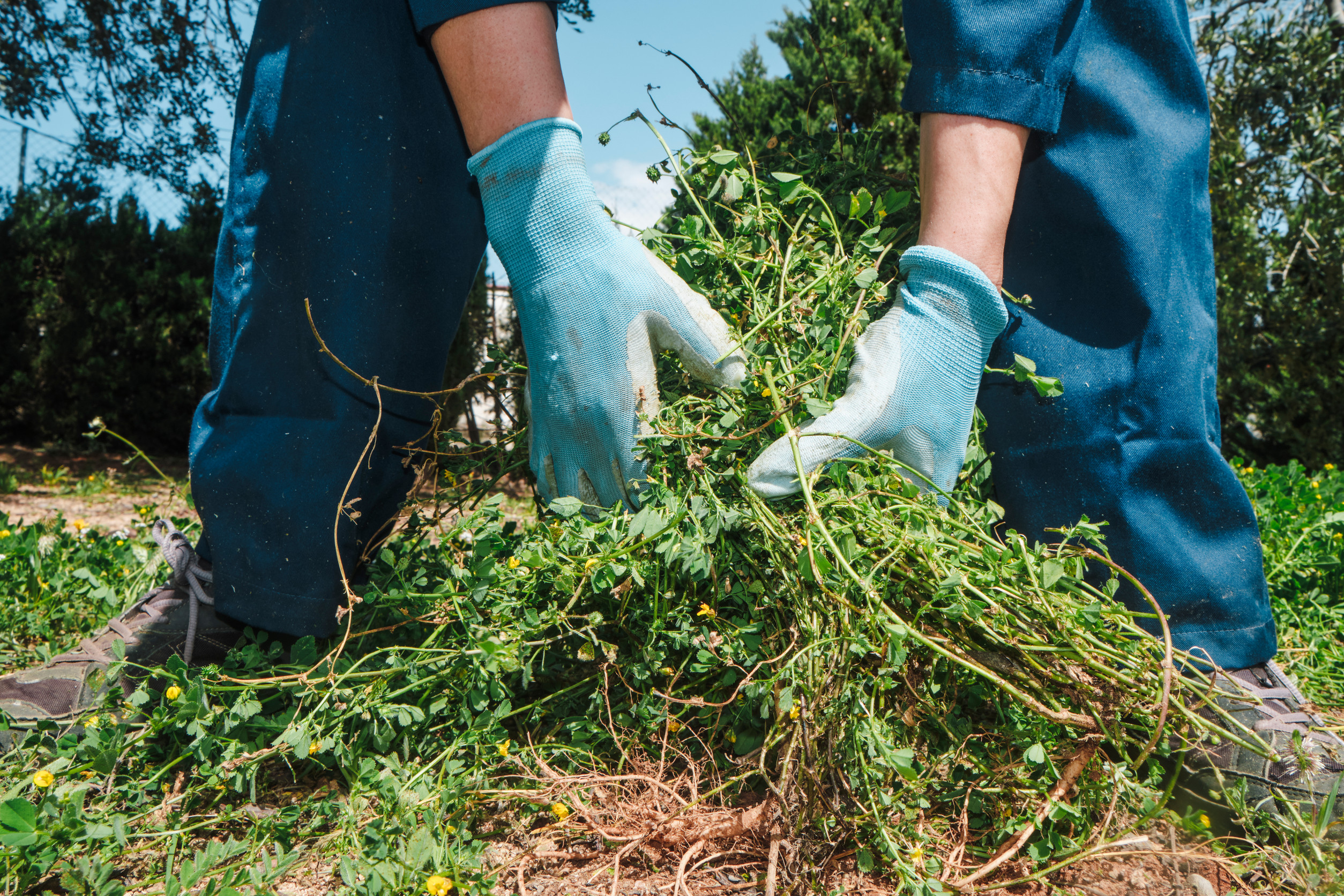
You finally survived summer’s mowing marathons, your lawn looks almost perfect, and you’re ready to kick back with a pumpkin spice latte and enjoy the crisp autumn air. But wait—what’s that sneaky green invader creeping through your mulch? Fall weeds. Just when you think the growing season is over, these stubborn little freeloaders show up to ruin your perfectly raked yard.
They’re quiet, fast, and ready to steal nutrients before winter sets in. If you don’t tackle them now, you’ll regret it come spring—so let’s meet the five fall weeds you should yank before they take over.
1. Henbit — The Purple Menace
Henbit might look cute with its tiny purple blooms, but don’t let its charm fool you. This winter annual germinates in the fall, quietly establishing roots while your other plants go dormant. By early spring, it’s a full-blown carpet of green that spreads faster than gossip in a small town. Henbit competes aggressively for sunlight and nutrients, weakening your grass and perennials before you even notice it’s there. Pull it now—roots and all—before those seeds have a chance to drop and multiply next year’s problem.
2. Chickweed — The Lawn Blanket You Didn’t Order
If you’ve spotted a mat of soft green leaves that spreads like spilled syrup, you’ve met chickweed. It thrives in the cooler temperatures of fall, creating a dense cover that smothers other plants and steals precious soil moisture. The tricky part? Chickweed grows in clusters that can look deceptively harmless until it’s everywhere. Once it flowers and seeds, it can regenerate from even the smallest leftover roots. Do yourself a favor: grab your gloves, loosen the soil, and rip it up before it becomes the unofficial groundcover of your yard.
3. Dandelions — The Eternal Comeback Kids
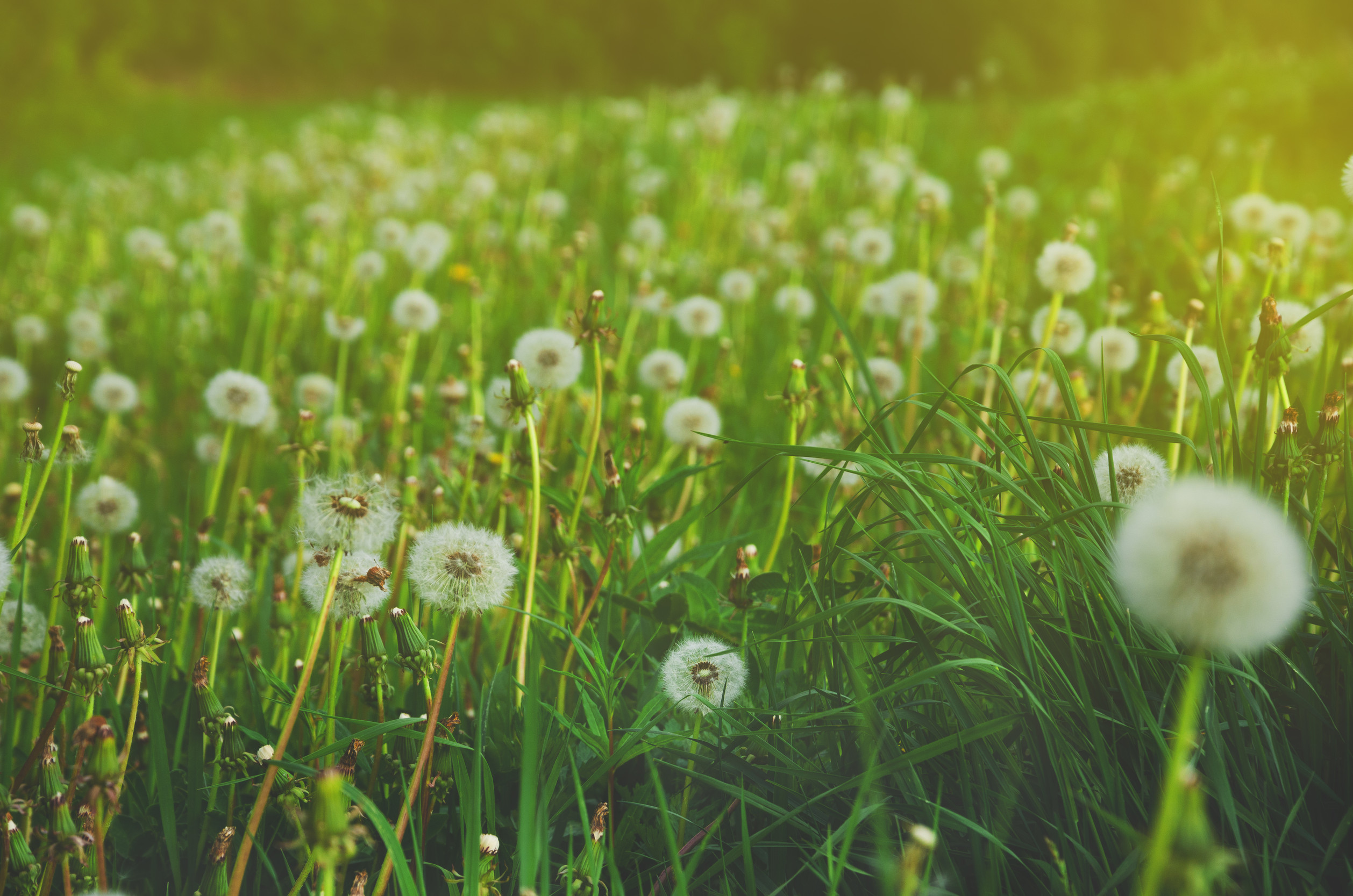
Ah yes, the dandelion—the weed that never really leaves, it just takes a break. You might think you’ve seen the last of it in summer, but fall is when these yellow rebels prepare for their next act. Dandelions use the cooler months to strengthen their deep taproots, storing energy to burst back with a vengeance in spring. That means every fluffy seed head you ignored this summer is already plotting its next invasion. To win the battle, dig them out now—root and all—or you’ll be pulling their descendants for years.
4. Creeping Charlie — The Sneaky Shady Lurker
If you’ve ever found yourself muttering “what is this green web under my shrubs?” you’ve probably met Creeping Charlie. Also known as ground ivy, this low-growing menace thrives in shady, damp areas and spreads through creeping stems that root at every node. Once it takes hold, it’s tough to eradicate, especially if you let it overwinter. The key is persistence: pull it gently but completely, and don’t leave behind any runners or fragments. Take it from seasoned gardeners—ignore Creeping Charlie in fall, and by spring it’ll be hosting its own family reunion across your lawn.
5. Shepherd’s Purse — The Sneaky Seed Spreader
At first glance, Shepherd’s Purse doesn’t seem like much—a modest little plant with heart-shaped seed pods. But don’t underestimate this master opportunist. It germinates in fall, thrives through winter, and produces thousands of seeds per plant come spring. Even a few survivors can repopulate your entire yard within a season, making it a major headache for anyone who waits too long. The best time to strike? Right now, before those seed pods mature—yank them up by the roots and show no mercy.
Don’t Let Weeds Win This Fall
Weeds don’t take holidays, and fall is their secret season of growth and domination. While you’re sipping cider and admiring the foliage, they’re quietly plotting next year’s takeover beneath your feet. Taking the time to pull henbit, chickweed, dandelions, creeping charlie, and shepherd’s purse now can save you hours of work (and frustration) come spring. The reward? A healthier, stronger lawn that stays beautiful year-round.
Have you battled any of these fall weeds? Share your war stories, success tips, or gardening gripes in the comments below.
You May Also Like…
- 9 Weeds That Spread Toxic Pollen Without Warning
- The Mulch Trick That Saves Water and Fights Weeds
- The Watering Technique That Prevents Root Rot
- 8 DIY Sprays That Experts Say Cause More Harm Than Help
- The Hidden Dangers of Overwatering in Cooler Months

Brandon Marcus is a staff writer for FrugalGardening.com at District Media, Inc., where he delivers practical gardening advice with a relatable, no-nonsense style. An avid amateur gardener, he holds a BA degree and with over ten years of professional writing experience, he is also an award-winning published author whose first book, Questions For Deep Thinkers, was released by Adams Media. His work has appeared in major publications including Fandom.com, CHUD.com, TheColdWire.com, and Fansided.com.
Leave a Reply