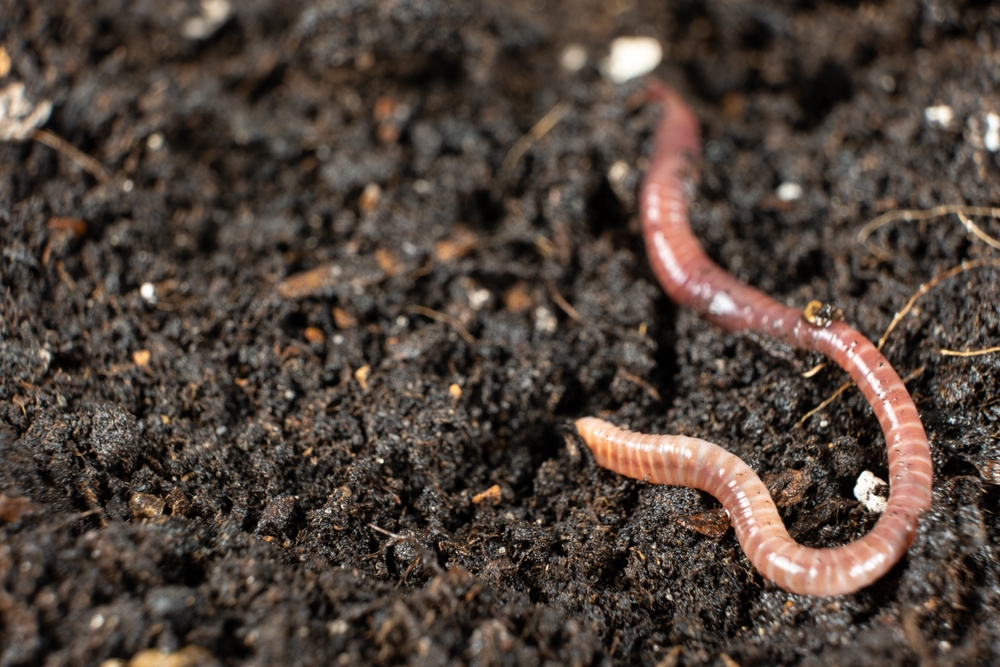
Imagine walking into your garden and discovering that the rich, dark soil you’ve spent years improving suddenly looks like someone dumped coffee grounds across your flower beds. The texture is loose, crumbly, and strangely granular, almost like dry taco meat. You might assume your compost is breaking down beautifully, but that unusual soil could actually be a warning sign.
The culprit may be invasive jumping worms, an increasingly concerning group of earthworms that can dramatically change soil conditions in gardens, forests, and landscaped properties.
Unlike the earthworms many gardeners associate with healthy soil, these aggressive invaders consume organic matter near the surface at an unusually rapid rate. Their feeding activity can leave behind distinctive granular castings while disrupting the soil environment that plants and beneficial organisms depend on.
Here’s how to recognize invasive jumping worms, why they’re causing concern, and what gardeners can realistically do to keep them from spreading.
The Coffee-Ground Soil Texture Is a Major Warning Sign
One of the most recognizable signs of invasive jumping worms is soil that develops a loose, granular appearance resembling coffee grounds. The University of Minnesota Extension explains that these worms produce distinctive castings as they consume organic matter and process material near the soil surface. Unlike ordinary garden soil, the affected area may look unusually coarse and crumbly, particularly beneath mulch, fallen leaves, or established plantings. This change matters because the worms can rapidly reduce the protective layer of decomposing leaves and organic material that normally helps maintain soil moisture and supports beneficial organisms. However, coffee-ground-like soil alone doesn’t confirm an infestation, so gardeners should look for additional signs before assuming invasive jumping worms are responsible.
These Worms Move Differently From Ordinary Earthworms
If you’ve ever uncovered an earthworm while digging, you’re probably familiar with its relatively slow, stretching movements. Invasive jumping worms behave differently, often thrashing violently, twisting rapidly, or moving in a snake-like motion when disturbed. According to Cornell University’s invasive species resources, these worms are commonly associated with species in the genera Amynthas and Metaphire. Mature jumping worms often have a smooth, pale-colored band called the clitellum that extends completely around the body and sits relatively close to the head. Because identification can be tricky, especially with immature worms, gardeners should photograph suspicious specimens and consult their local cooperative extension office before making treatment decisions.
They Can Strip Away Organic Matter Plants Depend On
Healthy garden soil relies on organic matter to support moisture retention, nutrient cycling, and the organisms that help plants grow. Unfortunately, invasive jumping worms consume surface organic material so aggressively that they can significantly alter these conditions. The University of Wisconsin–Madison Extension explains that jumping worms can rapidly process leaf litter and change the structure of the upper soil layer. In forests, this activity can expose bare ground, disrupt native plant communities, and create conditions that favor erosion and certain invasive plants. In home gardens, the resulting changes may make it more difficult to maintain consistent moisture and healthy growing conditions, although the severity varies by location and infestation level.
Your Mulch or Potted Plants Could Be Bringing Them Home
One of the most frustrating things about invasive jumping worms is how easily they can spread through ordinary gardening activities. Worms and their tiny cocoons may travel in contaminated soil, mulch, compost, and plants moved between properties. Taking precautions is recommended when purchasing, transporting, or sharing landscaping materials to reduce the risk of introducing these pests. For example, accepting a divided perennial from a friend’s garden might unintentionally introduce jumping worm cocoons hidden in the surrounding soil. Gardeners should inspect incoming plants and soil materials carefully, avoid moving potentially contaminated soil off-site, and ask suppliers about their invasive-species prevention practices.
Their Eggs Can Survive When Adult Worms Cannot
You might assume a hard winter would eliminate an infestation, especially in regions where the ground freezes for months. Unfortunately, invasive jumping worms have a life cycle that allows their populations to return even after adult worms die during cold weather. Jumping worm cocoons can survive winter conditions and hatch when temperatures become favorable again. This means a garden that appears worm-free in early spring may still contain cocoons capable of producing a new generation later in the growing season. Because the cocoons are extremely small and difficult to detect, preventing contaminated soil and mulch from moving between locations is especially important.
There Isn’t a Simple Chemical Fix for an Infestation
Discovering invasive jumping worms in your garden can make it tempting to reach for a pesticide or homemade treatment. However, researchers and extension specialists have not established a broadly effective, approved chemical treatment that reliably eliminates jumping worms from home landscapes. Prevention and containment are important because managing established populations remains difficult. Applying salt, household cleaners, or unapproved chemicals to garden soil can harm plants and beneficial organisms without solving the underlying problem. Instead, gardeners should focus on preventing further spread, reducing movement of contaminated materials, and following current guidance from their state extension service.
There Are Practical Ways to Protect Your Garden
Although eliminating an established population can be challenging, homeowners can take meaningful steps to reduce the spread of invasive jumping worms. Start by inspecting mulch, compost, potted plants, and garden soil before bringing new materials onto your property. Cleaning soil from shoes, gardening equipment, and other items that could transport cocoons between locations is recommended. If you discover suspicious worms, avoid sharing plants with attached soil or moving infested mulch into unaffected areas. You can also contact your local cooperative extension office for identification assistance and recommendations appropriate to your region.
Don’t Ignore the Warning Signs Beneath Your Feet
The unusual soil texture associated with invasive jumping worms can be easy to mistake for healthy compost or naturally crumbly garden soil. However, when that coffee-ground appearance appears alongside rapidly moving worms and disappearing leaf litter, it’s worth investigating before the problem spreads. Early recognition gives gardeners an opportunity to avoid moving contaminated soil, plants, and mulch into other parts of their property. While scientists continue studying effective management strategies, careful material handling and responsible gardening practices remain among the most useful defenses.
Have you noticed strange, coffee-ground-like soil or unusually active earthworms in your garden, and did you discover what was causing it? Share your experience in the comments.
What to Read Next
How to Make Leaf Mold for Better Garden Soil
Fall Soil Testing Steps That Make Spring Planting Easier
Leaving Soil Bare All Winter? You May Be Creating More Work for Spring
Leave a Reply