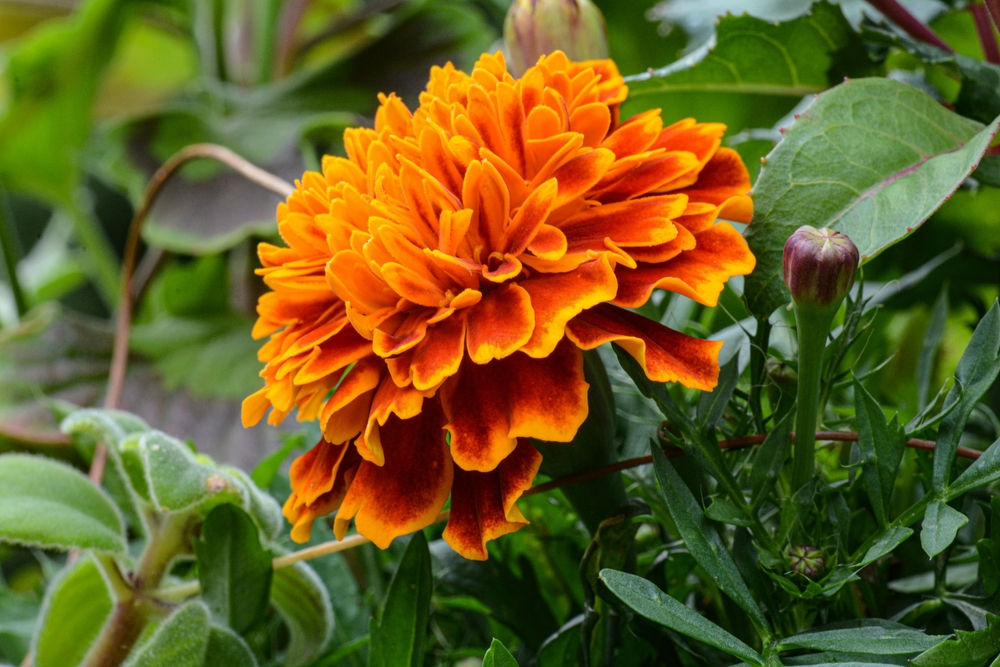
Before you pull those fading marigolds out of your garden this fall, take a closer look at their dried flower heads. Hidden inside those shriveled blooms could be dozens of seeds capable of producing another colorful display next spring, without spending another dollar at the garden center.
Marigolds are among the easiest annual flowers for beginners to grow, and learning how to save marigold seeds is surprisingly simple.
Instead of purchasing new seed packets or starter plants every year, gardeners can collect mature seeds from their healthiest flowers, dry them properly, and store them until planting season returns.
According to Iowa State University Extension, marigolds are among the annual flowers well suited to home seed saving.
However, harvesting seeds too early, storing them before they’re completely dry, or collecting from certain hybrid varieties can lead to disappointing results, so a few small details make all the difference.
Wait Until Marigold Flowers Are Completely Dry
One of the biggest mistakes gardeners make when learning how to save marigold seeds is harvesting flower heads before the seeds have matured. A bright orange or yellow bloom might look healthy, but the seeds inside generally need more time to develop after the petals begin fading. According to the University of Arkansas Extension, gardeners should allow spent marigold flowers to remain on the plant until the seed heads turn brown and dry. Instead of deadheading every faded flower during late summer or fall, select several healthy blooms and leave them untouched until they become papery and shriveled. Harvesting at the proper stage improves your chances of collecting viable seeds that can germinate the following spring successfully.
Choose Seeds From Your Healthiest Plants
Not every marigold in your garden is necessarily a good candidate for seed collection, particularly if some struggled with disease or poor growth. The University of Illinois Extension recommends selecting seeds from healthy, disease-free plants with desirable characteristics such as attractive flowers and vigorous growth. For example, if one marigold produced abundant blooms throughout summer while another remained stunted, collecting from the stronger plant is a reasonable starting point. Look for plants with sturdy stems, healthy foliage, and the flower colors or sizes you would enjoy seeing again next season. Although saving seeds from a particularly attractive plant doesn’t guarantee identical offspring, careful selection can help gardeners preserve desirable characteristics, especially when working with open-pollinated varieties.
How to Remove Marigold Seeds From Dried Flower Heads
Once the flower heads have turned completely brown and dry, use clean garden scissors or pruning shears to clip them from the plant. Place the dried heads in a paper bag or shallow container so loose seeds don’t scatter across your garden or workspace. According to North Carolina Cooperative Extension, marigold seeds can be removed by gently pulling them from the dried flower head and separating them from the surrounding plant debris. When you open the head, you’ll typically find slender seeds with dark lower portions and lighter, papery tips that look quite different from the round seeds of many vegetables. Learning how to save marigold seeds becomes much easier once you recognize their distinctive shape and realize that a single dried flower head can contain numerous potential plants.
Dry the Seeds Thoroughly Before Storing Them
Even when marigold flower heads appear completely dry, the collected seeds may still contain enough moisture to cause problems during storage. The University of Nebraska-Lincoln Extension recommends spreading collected seeds on a paper towel, in an open box, or inside a paper bag and allowing approximately one to two weeks for drying. Choose a dry, well-ventilated location away from direct sunlight and excessive heat, and spread the seeds in a thin layer rather than leaving them in a damp clump. Check periodically for signs of moisture or mold, and discard any seeds that appear rotten or damaged. Proper drying is one of the most important steps in saving marigold seeds because excess moisture can encourage mold and reduce the likelihood that stored seeds will germinate.
Store Marigold Seeds Somewhere Cool and Dry
Once your seeds are completely dry, transfer them into a labeled paper envelope or another suitable container for storage. The West Virginia University Extension advises gardeners to keep saved seeds in a cool, dry environment because warmth and moisture can shorten their storage life. Write the variety, flower color, and collection year on each envelope so you can identify the seeds when spring arrives. For additional moisture protection, thoroughly dried seeds can be placed inside a sealed container with a desiccant packet and stored in a consistently cool location. Avoid leaving your collection in a humid garage, damp basement, or sunny windowsill, where changing temperatures and moisture levels could compromise the seeds before planting season.
Know Whether Your Marigolds Are Hybrids
One detail that surprises many gardeners is that saved marigold seeds don’t always produce flowers identical to the parent plant. Seeds collected from hybrid plants may produce offspring with unpredictable characteristics, including differences in flower color, size, and growth habits. Many marigolds sold at garden centers are hybrids developed for specific features, such as unusually large blooms, compact growth, or distinctive colors. If your goal is to grow flowers that closely resemble the originals, open-pollinated or heirloom varieties are generally better candidates, although cross-pollination can still introduce variation. You can certainly experiment with seeds collected from hybrids, but understanding this limitation is an important part of learning how to save marigold seeds successfully.
Plant Your Saved Seeds After Frost Danger Passes
When spring arrives, your saved marigold seeds can be planted indoors or directly into garden beds once outdoor conditions are suitable. Marigolds are warm-season flowers that generally perform best in sunny locations with well-drained soil, so avoid rushing to plant them in cold, soggy ground. If you want an earlier start, sow seeds indoors several weeks before your area’s average last frost date and gradually acclimate the seedlings before transplanting them outside. Gardeners planting directly outdoors should wait until frost danger has passed and the soil has warmed sufficiently for reliable germination. Because stored seed viability can vary, consider planting a few extra seeds and thinning weaker seedlings rather than assuming every seed will sprout.
Don’t Throw Away Seeds That Are Still Viable
It’s easy to forget about leftover seed packets once the growing season ends, but properly stored marigold seeds may remain useful beyond a single planting season. Seed longevity varies by plant type and storage conditions, making careful handling important for maintaining viability. If you’re uncertain whether an older batch will germinate, place 10 seeds between damp paper towels, keep them in a warm location, and check periodically for sprouting. If eight seeds germinate, that suggests an approximately 80% germination rate for your small test sample, although actual garden performance can still vary. Testing older seeds before planting an entire flower bed can help prevent wasted time and give you a better idea of how many seeds to sow.
A Few Dried Flowers Could Save You Money Next Spring
Learning how to save marigold seeds is one of the simplest ways to make your flower garden more affordable from year to year. Instead of throwing away every faded bloom during fall cleanup, allow a few healthy flower heads to mature and collect their seeds before winter arrives. With proper drying, labeling, and storage, you can build a small collection of seeds ready for next spring without purchasing additional packets. You may even collect enough to share with neighbors, trade with other gardeners, or fill additional flower beds at little to no cost.
Have you ever saved marigold seeds from your garden, or do you usually purchase new flowers every spring? Share your seed-saving tips and experiences in the comments.
What to Read Next
Those Dead Flower Stems Look Ugly — Here’s Why Gardeners Are Leaving Them Until Spring
7 Garden Plants Worth Saving Seeds From Instead of Buying Them Again Next Year
Stop Cleaning Up Your Garden This Fall — 7 Things Experts Say You Should Leave Alone
Leave a Reply